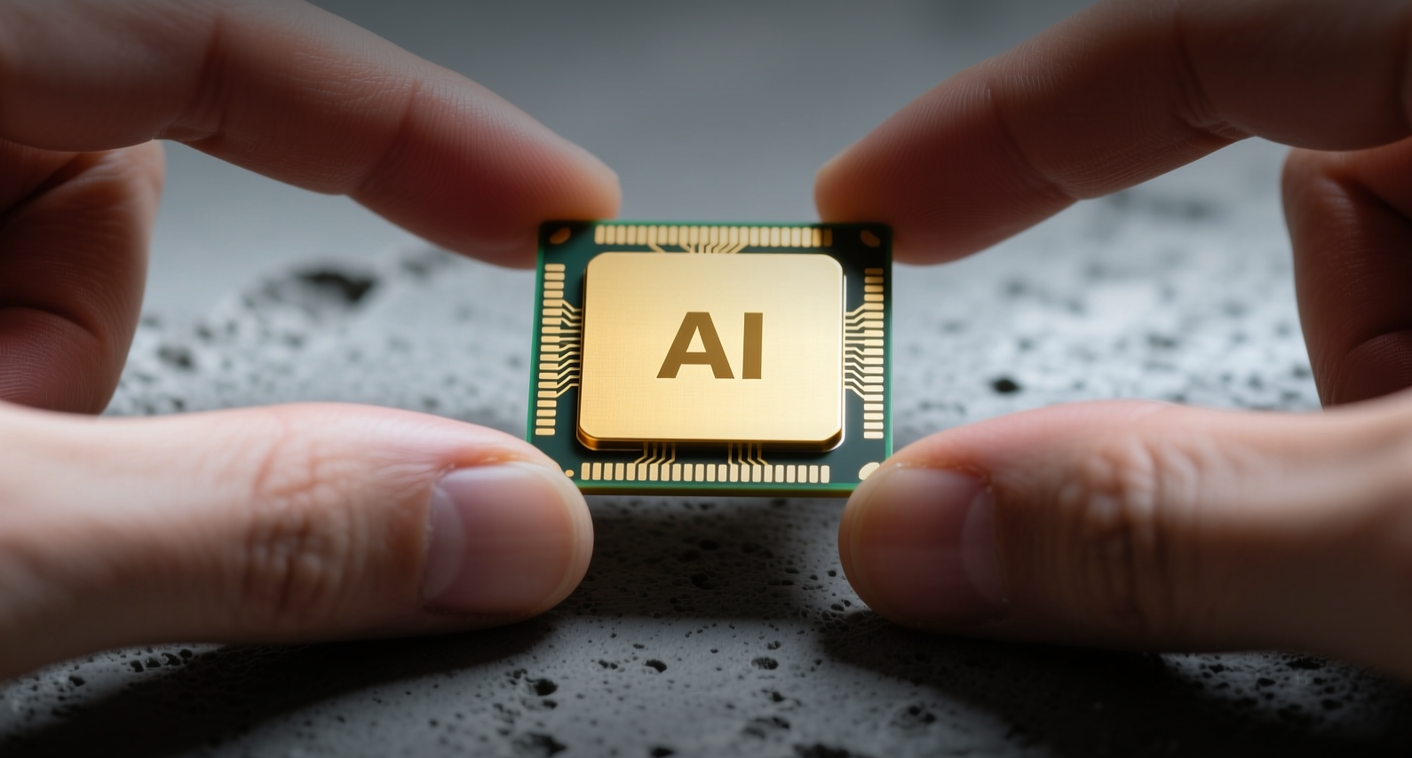
Samsung Electronics is likely to flag a Q2 operating profit of 86 trillion won ($56.35 billion), an 18-fold surge from a year earlier, as AI-driven memory demand pushed chip prices higher.
"The memory market will remain undersupplied at least through next year as AI inference infrastructure demand continues to outpace supply growth," analysts at Nomura said, forecasting commodity DRAM prices to rise another 24% and NAND prices 25% in the third quarter.
The estimate, based on an LSEG SmartEstimate of 30 analysts, would mark Samsung's third consecutive quarter of record operating profit. Citi Research said average selling prices for DRAM climbed 44% quarter-on-quarter in the April-to-June period, while NAND prices jumped 53%. Samsung shares have gained 158% this year, pushing the company's market valuation above $1 trillion alongside peers SK Hynix and Micron.
The results are important for South Korea's KOSPI index, where Samsung is the largest component by market weight. A strong beat could reinforce the bull case for Korean equities, while a miss — potentially from larger-than-expected bonus provisions exceeding 40 trillion won — could trigger a selloff in the broader Asian tech supply chain.
Samsung's semiconductor division recently won a wage deal allocating 10.5% of its operating profit to special bonuses for chip employees. Some analysts estimate cumulative bonus provisions could exceed 40 trillion won, making the timing of accounting recognition a key variable for second-quarter net income.
The rally in memory prices has been driven not only by high-bandwidth memory used in AI training but also by conventional DRAM and NAND products as agentic AI systems require greater server memory and storage capacity, analysts said. Samsung supplies memory chips to Nvidia, Google and Apple, positioning it to benefit directly from the AI investment cycle.
Workers in Samsung's smartphone and consumer electronics division plan to stage a rally on July 16 to protest the bonus disparity, their union said. Non-chip workers are expected to receive about 6 million won ($3,900) in treasury shares for 2026, compared with up to 600 million won for those at the semiconductor division, according to Yonhap News Agency.
Looking ahead, analysts identify any slowdown in AI infrastructure spending as the biggest risk. JPMorgan said AI memory is estimated to account for 52% of cloud providers' capital expenditure this year and could exceed 70% next year, raising questions about sustainability.
The guidance raise shows management expects AI demand to remain strong. Investors will watch Samsung's full earnings report later this month for updated segment margins and forward guidance.
This article is for informational purposes only and does not constitute investment advice.