
The expansion of a regional war into Iraq by two U.S. allies threatens to create a new front in a conflict that has already shut down the Strait of Hormuz and pushed Brent crude futures above $107 a barrel.
The expansion of a regional war into Iraq by two U.S. allies threatens to create a new front in a conflict that has already shut down the Strait of Hormuz and pushed Brent crude futures above $107 a barrel.
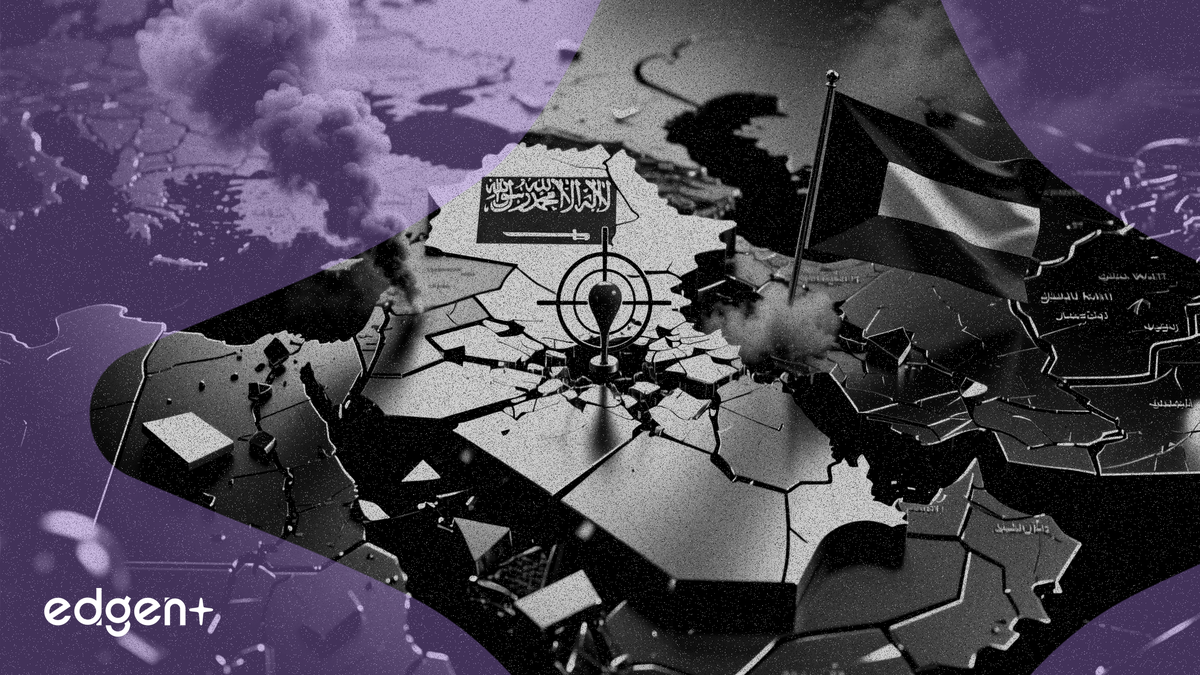
Saudi Arabia and Kuwait have directly intervened in Iraq, launching air and rocket strikes against Iranian-backed militias, according to multiple sources. The attacks mark a significant escalation in a wider regional war that began with a U.S.-Israeli bombing campaign against Iran on February 28, pushing Brent crude oil futures to over $107 a barrel as the conflict spreads.
"The Kingdom's categorical rejection of such hostilities that violate the sovereignty of the State of Kuwait," the Saudi Foreign Ministry said in a statement, condemning what it termed "infiltration carried out by an armed group from the Islamic Revolutionary Guard Corps."
Saudi Air Force jets struck targets linked to pro-Iranian militias near the kingdom's northern border with Iraq, a Western official and another person familiar with the matter said. Separately, at least two rocket barrages were fired from Kuwait into Iraq, according to Iraqi sources citing military assessments. The strikes come after Iran targeted the UAE and other Gulf states in retaliation for the initial U.S.-Israeli attacks and closed the critical Strait of Hormuz, through which one-fifth of the world's oil supply normally passes.
The opening of a new front in Iraq by key U.S. allies risks a dangerous spillover that could further destabilize global energy markets and complicate diplomatic efforts to end the war. With Iran developing a "smart management" plan to formalize its control over the Strait of Hormuz and peace talks in Islamabad failing to produce a lasting agreement, the conflict is poised to enter a more unpredictable and potentially costly phase.
The war, now in its third month, has reshaped the Middle East's security landscape. It began on February 28 with a massive U.S.-Israeli air campaign that killed senior Iranian officials, including Supreme Leader Ayatollah Ali Khamenei, who was succeeded by his son. Despite the losses, Iran's ruling system remains entrenched, and its Islamic Revolutionary Guard Corps is seen as more powerful than before.
A second major front opened when Israel launched a ground invasion of Lebanon to fight Hezbollah, which had fired rockets in solidarity with Iran. The fighting has killed thousands in Lebanon and displaced a quarter of its population.
The economic consequences have been severe. Iran's blockade of the Strait of Hormuz, a chokepoint for about 20% of the world's oil, has sent prices soaring. Brent crude futures extended their gains to climb above $107 a barrel. The closure has forced energy producers to reroute supplies, with Saudi Arabia and the UAE using pipelines to bypass the strait. Qatar, however, has had to shut down its liquefied natural gas production, a major source of its wealth, after an Iranian retaliatory strike hit its North Field gas facilities.
The conflict has also strained relations between regional powers. Saudi Arabia, which pursued a detente with Iran in 2023, joined the conflict on the side of the U.S. and Israel. The UAE has doubled down on its ties with Washington and Tel Aviv. Meanwhile, countries like Iraq are caught in a difficult position, aligned with both the U.S. and Iran.
International efforts to de-escalate have so far failed. A ceasefire brokered by Pakistan in April has not led to a permanent agreement. The U.S. has demanded that Iran relinquish its highly enriched uranium and end its blockade of the Strait of Hormuz. Tehran has countered with its own demands, including compensation for war damages and an end to the war on all fronts. U.S. President Donald Trump has dismissed Iran's position as "totally unacceptable."
Iran, for its part, is moving to solidify its control over the strategic waterway. Its parliament is reviewing a "smart management" plan for the Strait of Hormuz, which could restrict passage for vessels from hostile nations. Iranian Foreign Minister Abbas Araghchi stated that the "maximalist approach" and "lack of good faith" from the U.S. are the primary obstacles to peace.
This article is for informational purposes only and does not constitute investment advice.
