Schneider Electric raised its full-year adjusted EBITA growth target to as much as 19% after posting a record first half fueled by data-center demand.
"We delivered a record first-half that was boosted by growth in data centres, but we saw growth across all regions, all businesses, and all four end markets," Chief Financial Officer Nathan Fast said on a call with journalists.
The French group reported adjusted EBITA of €4.09 billion ($4.68 billion) for the six months through June, beating the €3.8 billion consensus compiled by the company. Net profit rose 30% to €2.49 billion from €1.91 billion a year earlier. Second-quarter revenue reached €21.23 billion, though currency headwinds from a weaker US dollar and Indian rupee trimmed €124 million from the top line.
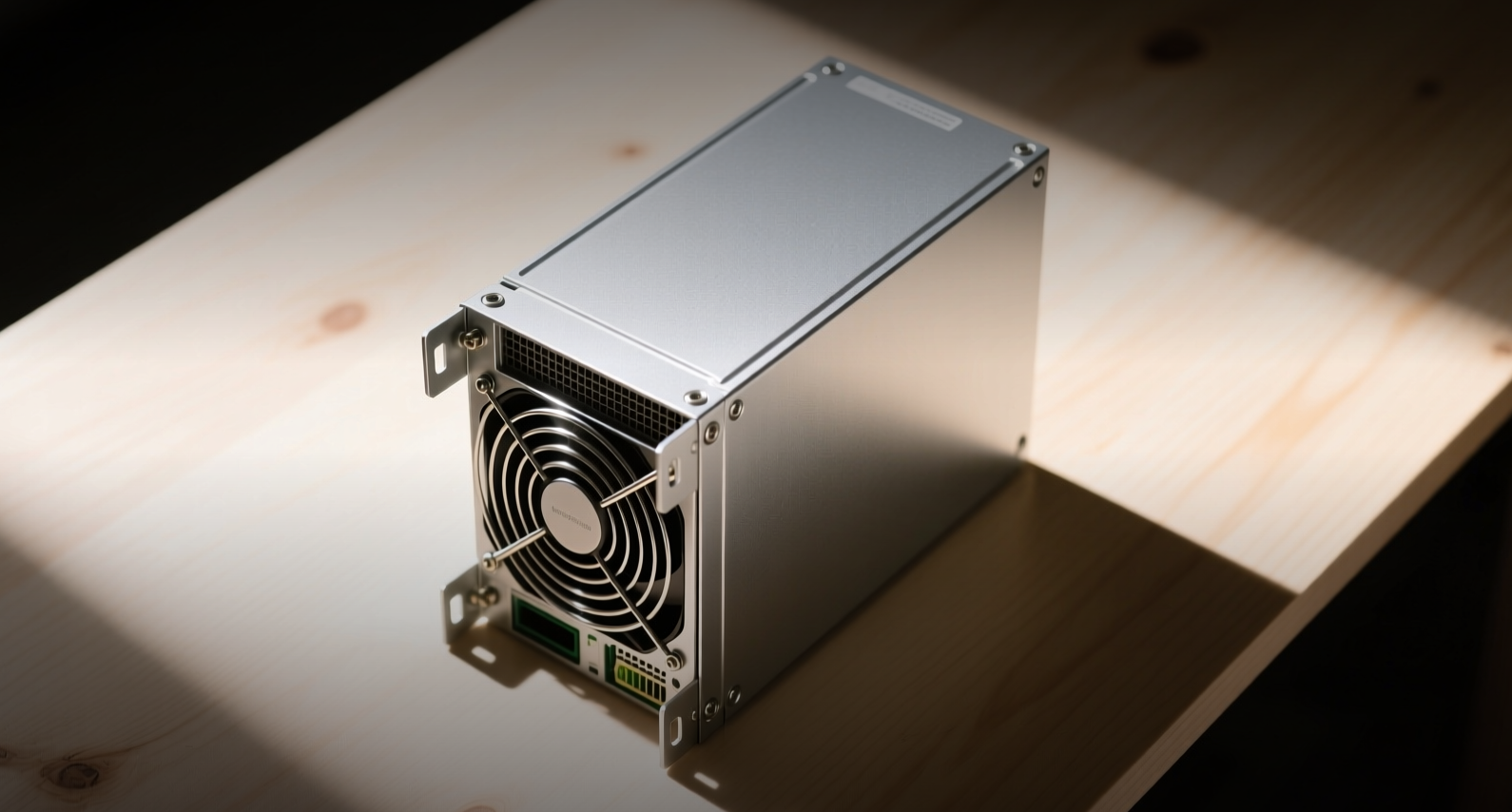
Schneider now targets organic revenue growth of 10% to 13%, up from a prior range of 7% to 10%, and expects adjusted organic margin expansion of 70 to 100 basis points, compared with 50 to 80 basis points previously. The company, once known primarily for industrial components like fuses and circuit breakers, now builds the backbone of data centers, supplying cooling units, server racks and critical power distribution equipment.
The majority of Schneider's data-center gigawatts are concentrated in North America, where hyperscalers including Microsoft, Amazon and Google are racing to expand AI infrastructure. Fast noted a pickup in demand from Southeast Asia and a recovery in the European buildings sector, while describing conditions in China and the US as "quite subdued." The company anticipates a currency drag of €400 million to €500 million on full-year revenue, mainly from the weaker dollar and rupee.
Global spending on data-center infrastructure is projected to exceed $300 billion in 2026, according to industry estimates, as cloud providers and AI startups compete for computing capacity. Schneider's rivals in the power and cooling space include Vertiv Holdings and Eaton Corp., both of which have also reported surging demand from the sector.
Schneider said the Middle East disruption will impact the second half, with potential for pressure on global supply chains and increased inflation depending on the duration of the conflict. The company booked record first-half revenue, adjusted EBITA margin and free cash flow, though it did not disclose specific free cash flow figures.
The upgraded outlook shows management's confidence that AI-driven infrastructure spending will sustain momentum through 2026. Investors will watch Schneider's third-quarter trading update for signs of margin progression and any impact from the Middle East on global supply chains.
This article is for informational purposes only and does not constitute investment advice.