
Key Takeaways:
- SK Hynix spent over a month scouting US sites for a front-end memory wafer fab.
- The move follows a record $26.5 billion Nasdaq ADR listing in July.
- Nvidia and AMD pressure drives supply-chain localization as HBM demand surges.
Key Takeaways:
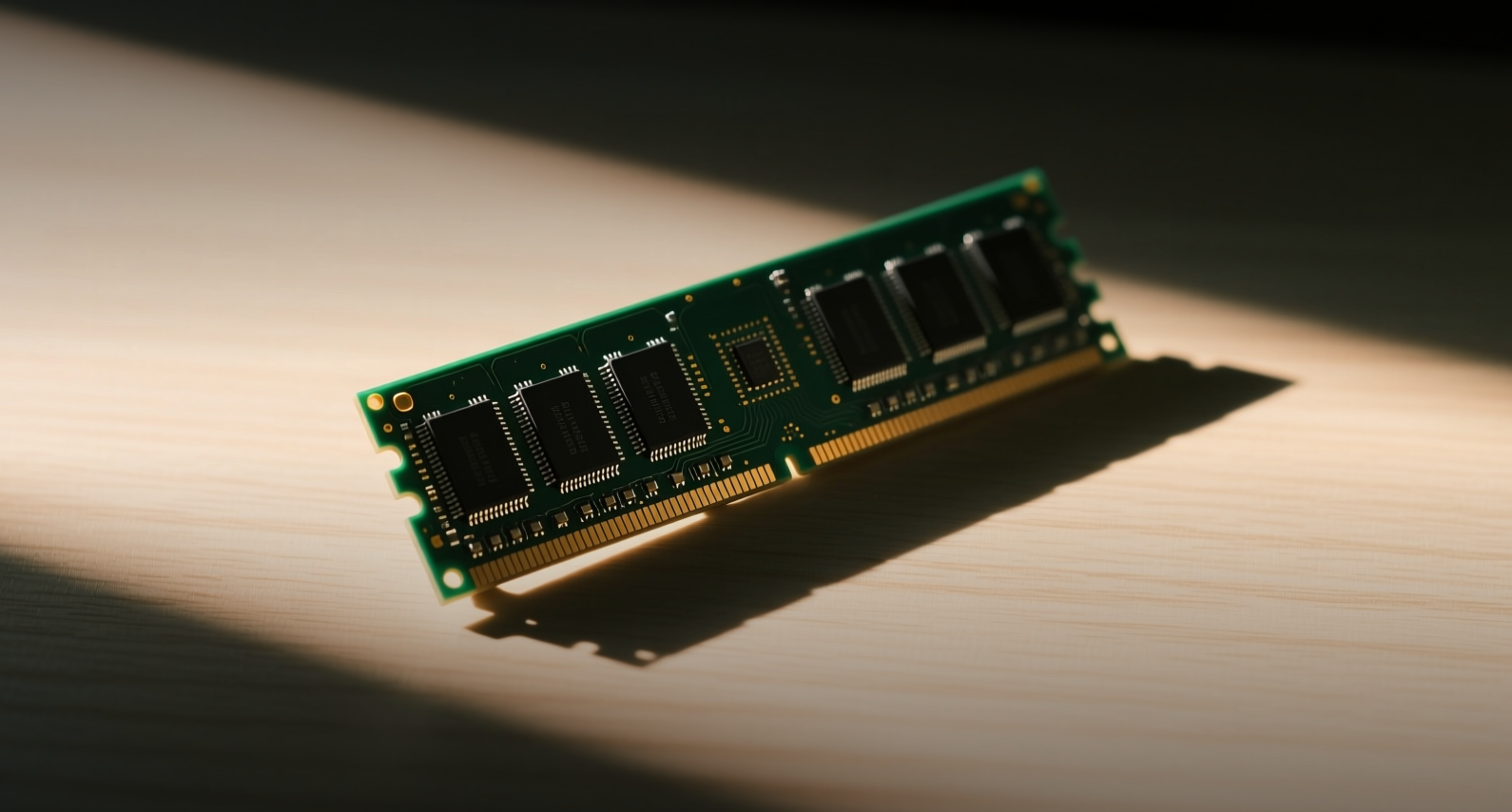
SK Hynix has spent more than a month scouting US locations for a front-end memory wafer fab, moving from tentative intent to on-site site selection as American AI chip customers press for supply closer to home.
SK Hynix has spent more than a month scouting potential US locations for a front-end memory wafer fab, bowing to pressure from Nvidia and AMD to move core chipmaking closer to their data centers. The shift from "not ruling out" a US plant to active site surveys marks a strategic crossing for the world's largest maker of high-bandwidth memory, the stacked DRAM that feeds AI processors.
"It's like a war," Chey Tae-won, chairman of SK Group, the controlling owner of SK Hynix, told CNBC. "Everybody wants to buy the memory chips. Without that, they cannot produce their AI computing and AI chips."
The company raised $26.5 billion in July by listing shares on the Nasdaq, the most ever raised by a foreign company on US markets, giving it the capital to fund a US buildout. SK Hynix already runs a $4 billion packaging plant in West Lafayette, Indiana, set to finish in 2028, but a front-end fab — the wafer-processing stage that carries the highest cost and technical barriers — has not been formalized. Chey said he has studied sites for more than a month and has not yet found the right one, citing water, power, land, and a semiconductor supply base as prerequisites.
The stakes extend beyond one factory. SK Hynix controls 58 percent of the HBM market, with Samsung and Micron at 21 percent each, according to Counterpoint Research. Its $720 billion plan to build what it calls the largest network of memory factories in the world — anchored by the Yongin Cluster, whose first fab will reach the height of a 50-story building with six stacked cleanrooms — is being matched by rivals. Micron is spending $50 billion on two Idaho fabs and up to $100 billion on a New York campus, while Samsung is building its own Yongin megafab under a national plan to double South Korea's memory output within five years.
The push toward US soil reflects a shift in who holds power in the memory market. Nvidia secured HBM supply and agreed to co-develop next-generation memory as part of a $500 billion arrangement with SK Group that also covers new data centers with SK Telecom by 2027. SK Hynix signed 10 long-term supply agreements in July, a structure that barely existed when memory traded as a commodity. Chey showed CNBC a wafer carrying a handwritten note from Nvidia chief executive Jensen Huang: "Please make more."
The demand is reshaping the product itself. "Nvidia wants their own custom chips and Google wants their own customized HBM, so it's not just a commodity," Chey said. "It actually changes the memory chip's status." Custom HBM, co-designed with AI processors, is accelerating with next-generation HBM5, insulating SK Hynix's massive investment from the boom-bust cycles that once defined the industry.
The urgency is visible in the numbers. TrendForce expects conventional DRAM contract prices to rise 58 percent to 63 percent in the second quarter, then 13 percent to 18 percent for server DRAM in the third. Chey conceded prices "went up too fast" and said the buildout is meant to fix that. Yet investors are skeptical the boom has peaked: SK Hynix and Samsung shares have fallen roughly 50 percent and 34 percent from their June highs, and SK Hynix's US listing is down about 21 percent from its July 14 peak of nearly $195, closing at $154.41.
The US expansion also carries a geopolitical edge. SK Hynix runs three fabs in China but cannot sell leading-edge HBM there because of US export controls, and it is weighing the sale of its packaging plant in Chongqing. China's CXMT, which just had a blockbuster Shanghai debut that valued it above every other Chinese-listed company, is building its own DRAM capacity. "It's a race, and now the counterparty of the race is China," said MS Hwang, research director at Counterpoint Research. "That's going to be a lot more dangerous than anything else in the world."
For investors, the question is whether a US front-end fab — with higher construction and operating costs than South Korea — pays off through deeper client lock-in. SK Hynix's long-term contracts and custom-HBM co-development with Nvidia and Google give it a revenue base that commodity memory never had, but the market is pricing in a slowdown. The first test comes in February, when the Yongin fab is scheduled to start production; a slip would say more about the cycle than any share price does.
This article is for informational purposes only and does not constitute investment advice.
