
**SK Hynix is exploring a rental model for memory chips that could transform how the $200 billion semiconductor industry sells its products.
**SK Hynix is exploring a rental model for memory chips that could transform how the $200 billion semiconductor industry sells its products.
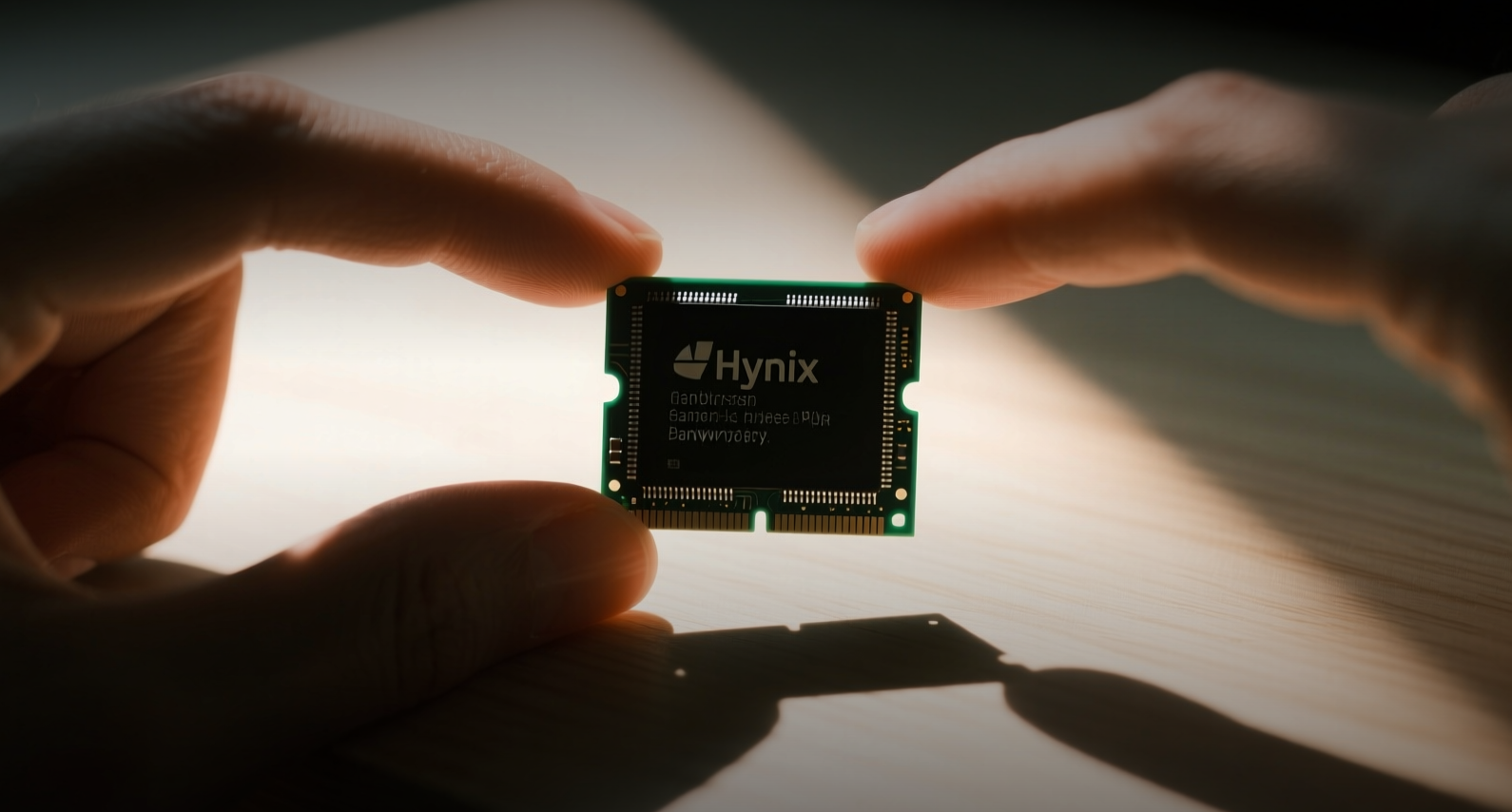
SK Hynix is exploring a rental model for memory chips that could transform how the $200 billion semiconductor industry sells its products.
SK Hynix Inc., the world's leading maker of high-bandwidth memory for artificial intelligence, is considering a "Memory-as-a-Service" model that would let customers lease chips instead of buying them, SK Group Chairman Chey Tae-won said.
"We can become storage service providers, providing 'Memory-as-a-Service,'" Chey said in an interview with Bloomberg Television. "We actually can offer other business models."
The shift would mark a fundamental change for the memory industry, where companies including SK Hynix, Samsung Electronics Co. and Micron Technology Inc. have historically sold chips on a per-unit basis. Under a MaaS model, customers such as cloud providers and AI companies would pay recurring fees for access to memory capacity, lowering their upfront capital expenditure while giving SK Hynix more predictable revenue streams.
The move comes as SK Hynix, which just completed a $26.5 billion US listing on the Nasdaq — the largest ever by a foreign company — seeks to reduce the notorious cyclicality of the memory business. The company's revenue almost tripled to about $65 billion from 2023 to 2025, driven by AI demand for its HBM (high-bandwidth memory) used in Nvidia Corp.'s chips. But the industry has a history of boom-and-bust cycles, with supply gluts repeatedly crushing prices.
The MaaS proposal reflects a broader push by SK Hynix to lock in long-term relationships with customers. The company, along with Samsung and Micron, has been moving toward multiyear contracts for memory supply, a shift from the traditional quarterly or annual sales model. These agreements require customers to provide longer-term demand visibility, allowing chipmakers to plan capacity spending with more confidence, according to TrendForce analyst Ellie Wang.
SK Hynix is spending aggressively to meet that demand. The company plans to invest up to $720 billion in South Korean facilities, including a $390 billion cluster of four fabrication plants in Yongin scheduled for completion by 2033. In the US, it is building a $4 billion advanced packaging facility in West Lafayette, Indiana, with completion targeted for 2028, backed by up to $458 million in potential funding from the CHIPS and Science Act.
The memory-as-a-service model would extend this relationship-building further. For customers like Nvidia, which relies on SK Hynix for the HBM3 and HBM4 stacks used in its AI accelerators, a leasing model could reduce the upfront cost of securing memory capacity during a period of severe shortages. Industry experts say the memory crunch is unlikely to ease before 2027.
For investors, the implications are significant. A successful MaaS model could transform SK Hynix from a cyclical commodity supplier into a recurring-revenue technology services company, potentially commanding a higher valuation multiple. The company's shares have surged more than sevenfold over the past year, lifting its market cap to about $1 trillion. But the memory industry's boom-and-bust history means risks remain. "This is how memory always acts in any megacycle or supercycle," said Daniel Newman, CEO of Futurum Group. "The problem is, it always crashes hard." If MaaS gains traction, it could pressure Samsung and Micron to offer similar models, reshaping competitive dynamics across the $200 billion memory market.
This article is for informational purposes only and does not constitute investment advice.
