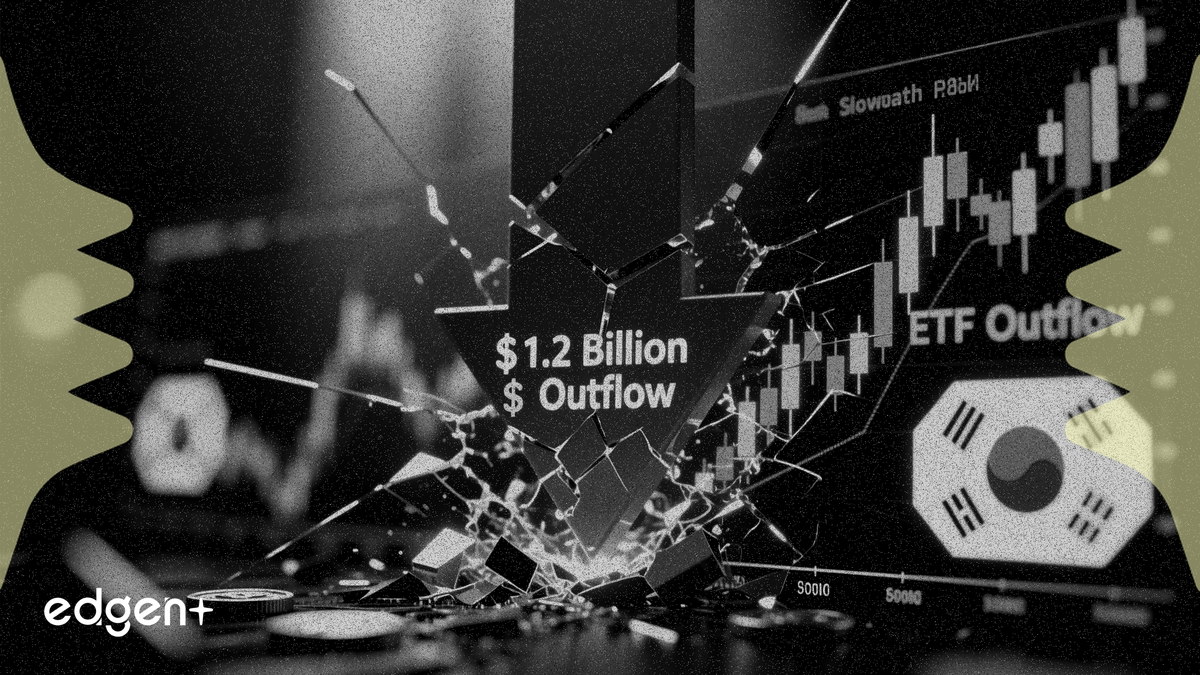
La semana pasada, los inversores retiraron la cifra récord de 1.200 millones de dólares de dos importantes fondos cotizados (ETF) que siguen la renta variable surcoreana, lo que indica una posible pausa en un mercado que ha liderado las ganancias mundiales este año. El iShares MSCI South Korea ETF registró salidas récord de 970 millones de dólares, mientras que el Direxion Daily MSCI South Korea Bull 3X Shares ETF perdió 240 millones de dólares.
"El ciclo de infraestructura de IA ha sido un gran viento a favor para Corea del Sur, pero el mercado empieza a parecer sobrecomprado", afirmó Michael Kim, estratega de renta variable de Kookmin Asset Management. "Tras una subida del 75 por ciento este año, es natural que los inversores recojan beneficios".
Los reembolsos se producen tras un rally impresionante en el que el índice de referencia surcoreano, el Kospi, superó los 7.000 puntos, impulsado por el auge mundial de los valores relacionados con la inteligencia artificial. Samsung Electronics, un peso pesado del índice, vio recientemente cómo su valoración de mercado superaba el billón de dólares, una primicia para la compañía. El Kospi ha subido cerca de un 75 por ciento este año, lo que lo convierte en el mercado de valores principal con mejor comportamiento a nivel mundial en 2026.
Esta salida masiva de capitales podría señalar un techo en el rally del mercado de valores surcoreano, desencadenando potencialmente más recogidas de beneficios y provocando una corrección del mercado a corto plazo. Refleja la creciente creencia entre los inversores de que el impulso del rally se está desvaneciendo y podría aumentar la presión a la baja sobre las acciones surcoreanas, aunque las perspectivas a largo plazo para los gigantes fabricantes de chips del país sigan siendo sólidas.
El rally impulsado por la IA ha sido un factor clave en la resistencia del mercado mundial, incluso ante un importante choque de los precios del petróleo derivado del conflicto en Oriente Medio. Los futuros del West Texas Intermediate han rondado los 99 dólares por barril, y el Brent ha cotizado por encima de los 104 dólares.
A pesar de las salidas de capital, el mercado surcoreano ha sido un imán para la inversión extranjera este año, con miles de millones de dólares fluyendo hacia valores vinculados a la IA. Los esfuerzos del gobierno por mejorar el gobierno corporativo y aumentar la remuneración a los accionistas también han ayudado a atraer inversores.
Este artículo tiene fines meramente informativos y no constituye asesoramiento de inversión.