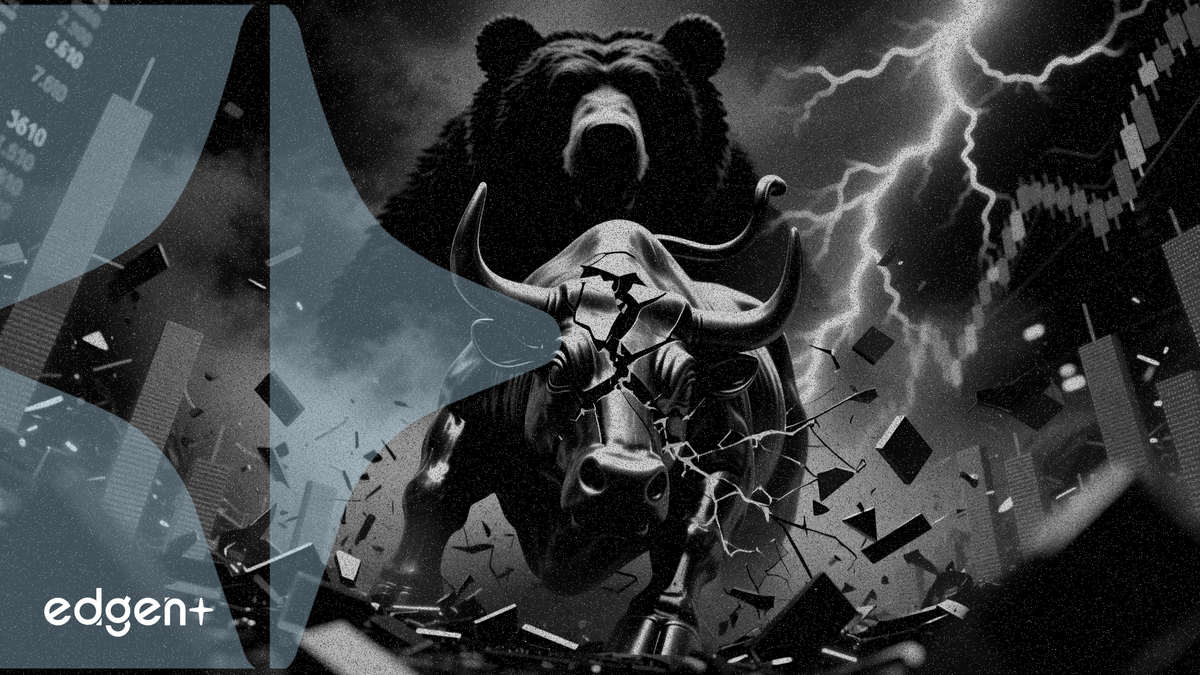
The S&P 500's record run faces its first real test as summer brings a 20% correction threshold into view.
The S&P 500 would need to fall 20% to 6,088 from its 7,610 closing high to enter a technical bear market, according to a June 11 analysis.
"Most all-time highs are followed up with new highs shortly thereafter," the analysis said, noting the index has set 24 new closing records in 2026 and is up 9% year to date. A 9% pullback in March reversed within a month.
The three major bear markets this century took between two and seven years to recover. A $10,000 investment at the March 2000 peak would be worth about $48,800 today, while the same amount at the October 2007 peak would be roughly $47,600, according to the analysis. The 2022 bear market recovered in about two years, with the same investment now worth about $15,500.
The bear market discussion comes as investors weigh persistent inflation, the Iran conflict and the Fed's reluctance to cut rates — factors that could shift the probability of a 20% decline in any major index this summer, the analysis said.
Technology and communication services have led the S&P 500's advance this year, while defensive sectors such as utilities and consumer staples have lagged, reflecting the market's appetite for growth driven by the artificial intelligence rally. The VIX has remained subdued despite the March pullback, though summer months historically see 3% to 5% higher average volatility compared with the rest of the year.
The 10-year Treasury yield has hovered near elevated levels as the Fed maintains its restrictive stance, compressing equity valuations. The U.S. dollar, as measured by the DXY index, has remained strong, creating headwinds for multinational companies with overseas revenue exposure. Gold has also held near elevated levels as investors hedge against geopolitical risks tied to the Iran conflict.
For long-term investors, the analysis concluded that entry timing matters less than staying invested. "Either way, long-term investors shouldn't be deterred by what price they're buying at, as long as they remain invested," the report said.
This article is for informational purposes only and does not constitute investment advice.