
핵심 요약:
- 스페이스X가 IPO 인수수수료를 0.75% 미만으로 요구하며 역대 최저 수준을 기록
- 회사는 사상 최대 규모의 주식 데뷔로 750억 달러를 조달할 계획
- 골드만삭스와 모건스탠리가 22개 은행 신디케이트를 이끌어
핵심 요약:
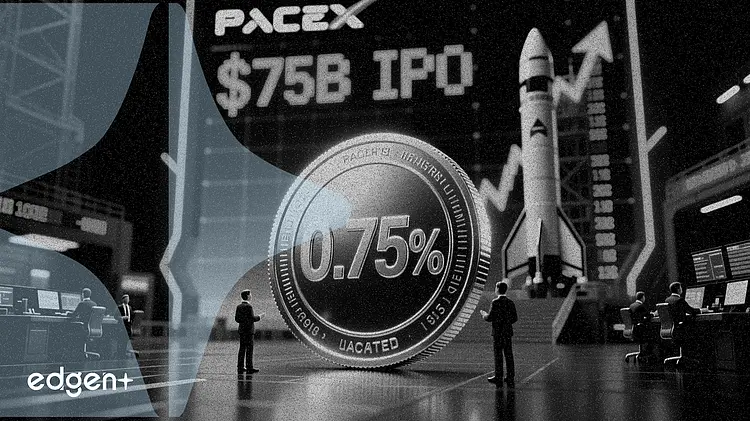
스페이스X가 투자은행들에 750억 달러 규모의 기업공개(IPO)에 대해 역대 최저 수준인 0.75% 미만의 인수수수료율을 수용할 것을 압박하고 있다고 소식통이 전했다. 이 같은 요구는 관련 은행들이 사상 최대 규모의 수수료 수익 중 하나를 얻게 되는 상황에서도 수십 년간 이어진 월스트리트 수수료 관행을 뒤흔드는 도전장이 될 전망이다.
"이번 수수료 구조는 역사상 가장 주목받는 IPO에서 스페이스X의 협상력을 반영합니다,"라고 IPO 및 M&A 분석가 톰 브레넌은 말했다. "어느 인수기관도 750억 달러 규모의 딜을, 설령 마진이 압축됐더라도, 포기하지 않습니다."
골드만삭스와 모건스탠리가 22개 은행으로 구성된 신디케이트에서 주관사(lead left underwriter)를 맡고 있다고 소식통은 전했다. 일반적인 대형 IPO의 3~5% 범위를 크게 밑도는 0.75% 미만의 수수료율임에도 불구하고, 총 수수료 풀은 5억 5000만 달러를 초과하며 역대 최대 규모 중 하나에 이를 전망이다. 이 금액은 기본 수수료를 기준으로 한 것이며, 회사가 지급할 수 있는 재량적 인센티브는 제외된 수치다.
이번 수수료 협상은 스페이스X가 지난 5월 20일 증권거래위원회(SEC)에 S-1을 제출한 후, 6월 중순 나스닥에 티커 SPCX로 상장을 추진하는 가운데 이뤄지고 있다. 회사는 최대 1조 7500억 달러의 기업가치를 목표로 하고 있으며, 이는 애플, 알파벳, 엔비디아, 사우디 아람코에 이어 글로벌에서 다섯 번째로 가치 있는 상장사가 되는 것이다. 그 기업가치 기준으로 이번 IPO는 2014년 알리바바의 250억 달러 데뷔를 뛰어넘으며 종전 기록을 경신하게 된다.
이 같은 공격적인 수수료 요구는 IPO 인수 시장의 세력 균형이 시장에서 탁월한 매력을 가진 발행사 쪽으로 이동했음을 시사한다. 전통적인 수수료율은 수년간 하락 압력을 받아왔다 — 딜로직 데이터에 따르면 대형주 IPO의 평균 수수료는 2000년대 약 4%에서 현재 약 2.5%로 떨어졌다. 스페이스X의 요구는 그 최저선을 다시 설정하는 셈이다.
스페이스X의 협상 위치는 최근 잇단 성과로 강화됐다. 지난 5월 29일 미 우주군(Space Force)은 스페이스X에 골든 돔 미사일 방어 프로그램의 공중 표적 추적용 위성 네트워크 구축을 위해 41억 6000만 달러 규모의 계약을 수주했다. 이에 앞서 5월 26일에는 22억 9000만 달러 규모의 우주 데이터 네트워크 백본( Space Data Network Backbone) 계약을 따내며, 단 일주일 만에 미 국방부 신규 계약이 약 64억 달러에 달하게 됐다.
스페이스X의 S-1 신고서에 따르면 2025년 매출은 187억 달러로, 스타링크(114억 달러), 로켓 발사 서비스(41억 달러), 최근 인수한 xAI 부문(32억 달러)으로 구성됐다. 회사는 지난해 AI 인프라 지출에 힘입어 49억 4000만 달러의 순손실을 기록했다.
골드만삭스와 모건스탠리에게 이번 IPO 주관은 즉각적인 수수료 수익을 넘는 프레스티지 가치를 지닌다. 스페이스X의 성공적인 상장은 이들 은행의 주식자본시장(ECM) 리그 테이블 최상위 입지를 공고히 하고, 향후 예상되는 회사의 추가 유상증자 및 채권 발행에서도 추가적인 주관 업무를 따낼 가능성을 높여준다. 신디케이트에 포함된 나머지 20개 은행은 수수료 풀에서 비례적으로 적은 지분을 받게 된다.
IPO 로드쇼는 이르면 이번 주부터 시작될 예정이며, 기관 투자자들은 처음으로 스페이스X의 재무제표와 성장 전망을 상세히 살펴볼 기회를 얻게 된다. 회사는 모건스탠리가 관리하는 직접 주식 프로그램을 통해 전체 주식의 최대 5%를 직원 및 특정 개인들이 매수할 수 있도록 배정했다.
본 기사는 정보 제공 목적으로만 작성되었으며 투자 조언을 구성하지 않습니다.
