

Key Takeaways:
- SpaceX built a prototype head-mounted AI device, per the Wall Street Journal
- The company raised $85 billion in its June IPO, the largest in US history
- SpaceX enters a wearable AI market crowded with Meta, Apple, and startups
Key Takeaways:
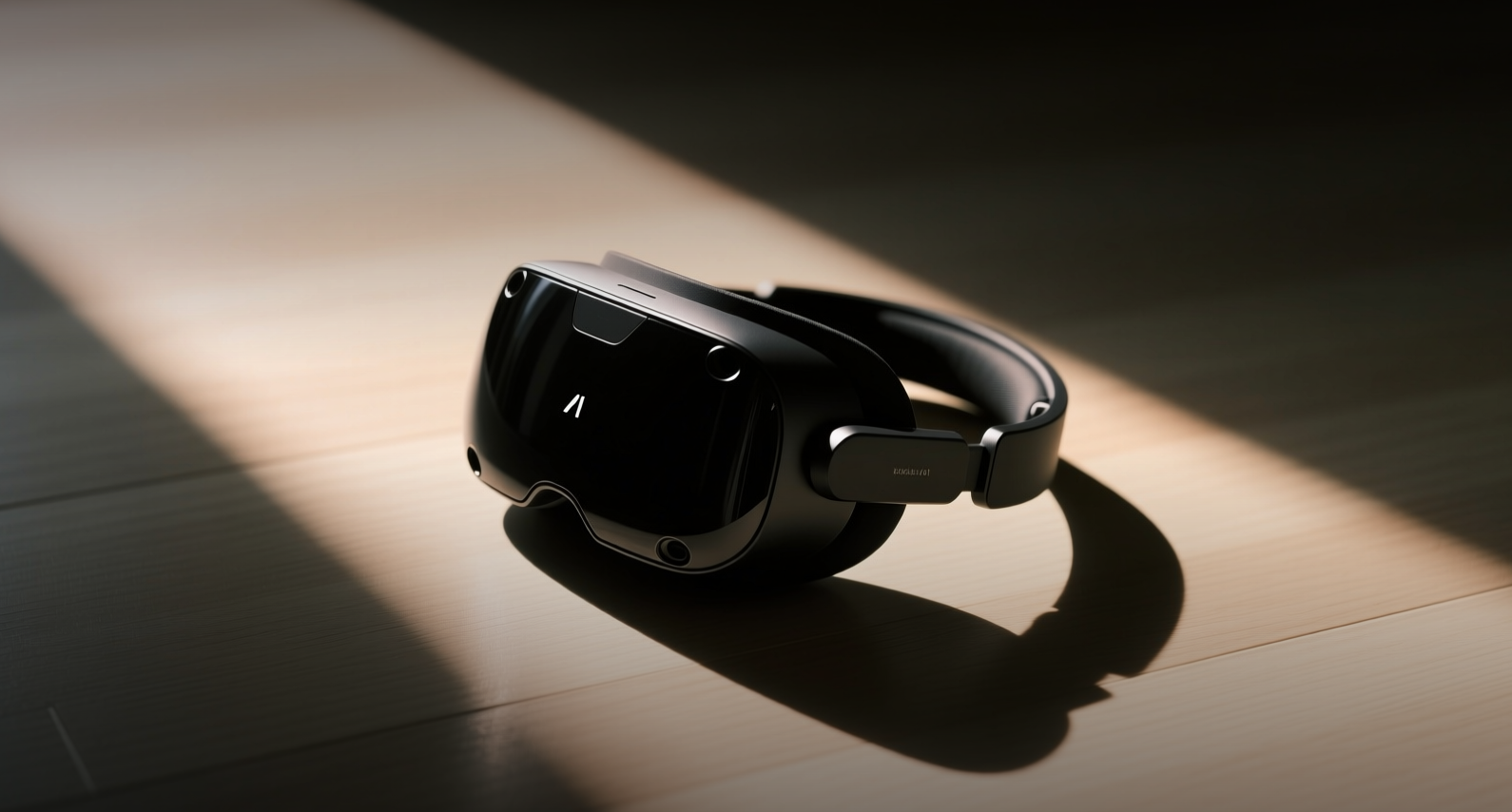
SpaceX has built a prototype head-mounted AI device, marking the rocket builder's first push into wearable hardware, the Wall Street Journal reported.
SpaceX, Elon Musk's space exploration company, has developed a prototype head-mounted artificial intelligence device, the Wall Street Journal reported, pushing the rocket builder into wearable hardware as AI companies compete for the next computing form factor beyond smartphones.
"SpaceX is exploring how AI can be integrated into physical devices beyond its core space and satellite businesses," a person familiar with the matter told the Journal. The company did not disclose specifications, pricing, or a timeline for a potential commercial release.
The prototype comes as SpaceX navigates a volatile public market debut. The company raised $85 billion in its June IPO, the largest in US history, but its shares have fallen to about $153 from a post-listing high of $225, according to market data. The AI hardware effort is separate from SpaceX's existing Starlink satellite business and its partnership with Anthropic to host Claude models on the Colossus 1 supercomputer.
The headset places SpaceX in a crowded field of companies racing to build AI-wearable devices, a category that includes Meta Platforms Inc.'s Ray-Ban smart glasses and Apple Inc.'s Vision Pro. For SpaceX, the device represents a potential new revenue stream beyond launch services and satellite internet, though the company faces steep competition from established consumer hardware makers with deeper experience in miniaturization and battery life.
What the Prototype Signals for the Wearable AI Market
The wearable AI market has attracted a wave of entrants seeking to replicate the smartphone's role as the primary computing interface. Meta has sold more than 1 million units of its Ray-Ban smart glasses since their 2023 launch, according to IDC estimates, while Apple's Vision Pro sold fewer than 500,000 units in its first year due to its $3,500 price tag. Startups such as Humane and Brilliant Labs have also launched AI-pendant and glasses-style devices, though none has achieved mass adoption.
SpaceX's entry adds a wild card. The company has deep engineering talent in miniaturization, thermal management, and battery optimization — skills developed for spacecraft and Starlink satellites that transfer directly to wearable hardware. However, SpaceX has no consumer product distribution network, retail presence, or brand recognition in the wearable category, all of which would need to be built from scratch.
Investment Implications
For investors, the prototype raises questions about capital allocation at a company already spending heavily on Starship development, Starlink satellite production, and its new cloud computing partnership with Anthropic. SpaceX's market cap, which peaked above $700 billion during its IPO week, has since fallen to about $480 billion as shares declined 32% from their high.
The wearable AI hardware market is projected to reach $85 billion by 2030, according to Grand View Research, but capturing meaningful share would require years of investment and manufacturing scale. By comparison, Meta spent more than $25 billion on its Reality Labs division from 2021 through 2025 before achieving any meaningful revenue from wearable devices.
SpaceX shares, trading on the Nasdaq under the ticker SPCE, have lost about a third of their value since the IPO peak. The AI headset prototype is unlikely to move the stock in the near term given the early stage of development, but it signals that Musk views wearable AI as a strategic priority for his broader portfolio of companies, which also includes Tesla Inc. and xAI.
This article is for informational purposes only and does not constitute investment advice.
