
The U.S. steel industry is defending Section 232 tariffs as Canada's retaliatory duties on $27.6 billion of American goods take effect Sept. 8.
The U.S. steel industry is defending Section 232 tariffs as Canada's retaliatory duties on $27.6 billion of American goods take effect Sept. 8.
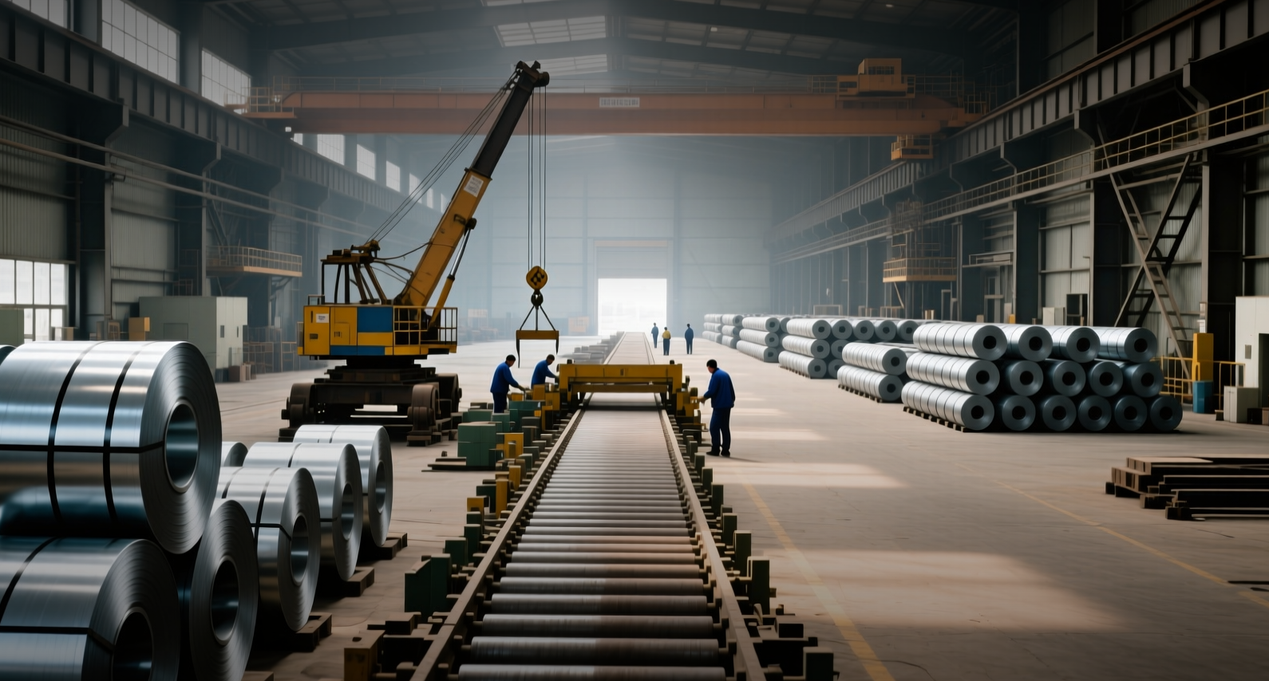
The Steel Manufacturers Association is defending Section 232 tariffs on national security grounds, citing Chinese steel routed through Canada that nearly doubled to 689,734 tons from 2020 to 2024.
"Steel isn't just another commodity," Brandon Farris, executive vice president at the Steel Manufacturers Association, said in a letter responding to a Wall Street Journal editorial. "Preserving the industrial capacity necessary to arm and defend the U.S. is essential national security policy."
The defense comes as Canada prepares to impose retaliatory tariffs of up to 50 percent on $27.6 billion of U.S. goods starting Sept. 8, mirroring the Trump administration's Section 232 levies on steel, aluminum, and copper. Ottawa will also deploy a $7.5 billion support package for affected Canadian businesses. The U.S. International Trade Commission found Section 232 tariffs from 2018-21 raised steel prices by an average of 2.4 percent annually.
The dispute carries direct costs for both economies. Canada supplies roughly two-thirds of the primary aluminum used in the U.S., and American can makers import nearly 80 percent of their tin mill steel. With global steel excess capacity at 640 million metric tons in 2025 — China accounting for 57 percent — the stakes extend beyond bilateral trade to how Washington protects strategic industries without alienating its largest trading partner.
The Steel Manufacturers Association's letter pushes back against a WSJ editorial that questioned the cost of the tariffs. The association argues that Beijing heavily subsidizes its steel industry, enabling producers to sell at artificially low prices and build massive excess capacity. The Global Forum on Steel Excess Capacity reported that excess capacity hit 640 million metric tons in 2025, despite global crude steel consumption shrinking by 4.5 percent.
Chinese Steel Imports to Canada Nearly Double to 689,734 Tons
The data point central to the association's argument is the surge in Chinese steel and aluminum imports to Canada. Between 2020 and 2024, those imports nearly doubled to 689,734 tons, making Canada what Farris calls "a back door for Chinese steel." This flow is why Section 232 tariffs were applied even to Canada, a U.S. ally and the country's second-largest trading partner.
The tariffs have driven billions of dollars in investment and created thousands of American jobs, Farris said. But the costs are mounting on both sides of the border. Canada's counter-tariffs, announced by Prime Minister Mark Carney after trade talks collapsed Friday, target steel, dairy products, appliances, agricultural equipment, electronics, and pulp and paper. Ottawa initially included seafood and fish products but removed them Wednesday based on industry feedback.
Aluminum Supply Chain Exposes $27.6 Billion Interdependence
The aluminum supply chain illustrates the interdependence. Trump acknowledged the U.S. reliance on Canadian aluminum, saying "we get it all from Canada for the most part, and we need it badly." The Aluminum Association said the U.S. has "no alternative than to import primary metal" given that it will take years to bring more domestic production online. Approximately 85 percent of U.S. aluminum production is secondary, or recycled.
The packaging industry is also exposed. Canada listed pulp and paper in its tariff directive, while the U.S. cited wood products and paper. The American Forest & Paper Association warned that "escalating tariff disputes between the U.S. and Canada will disrupt the cross-border supply chains that help mills and manufacturers."
For small businesses, the impact is immediate. Michael Howard, owner of Howard Family Designs in Warren, Michigan, said Canadian softwood lumber and finished wooden furniture will face taxes as high as 50 percent under Section 232. He told FOX 2 Detroit he has already laid off a longtime employee and lost clients because of rising material costs.
The next escalation point comes Sept. 8, when Canada's counter-tariffs take effect. If the two governments fail to reach an agreement, the auto sector could face additional pressure — the Trump administration has said truck and auto tariffs from Canada could surge to 50 percent by the start of next year.
This article is for informational purposes only and does not constitute investment advice.
