
Swiss inflation doubled to 0.8% in August, its highest since 2024, as renewed Middle East tensions pushed global energy costs higher and reversed months of cooling price growth, keeping the SNB's September policy path in focus.
Swiss inflation doubled to 0.8% in August, its highest since 2024, as renewed Middle East tensions pushed global energy costs higher and reversed months of cooling price growth, keeping the SNB's September policy path in focus.
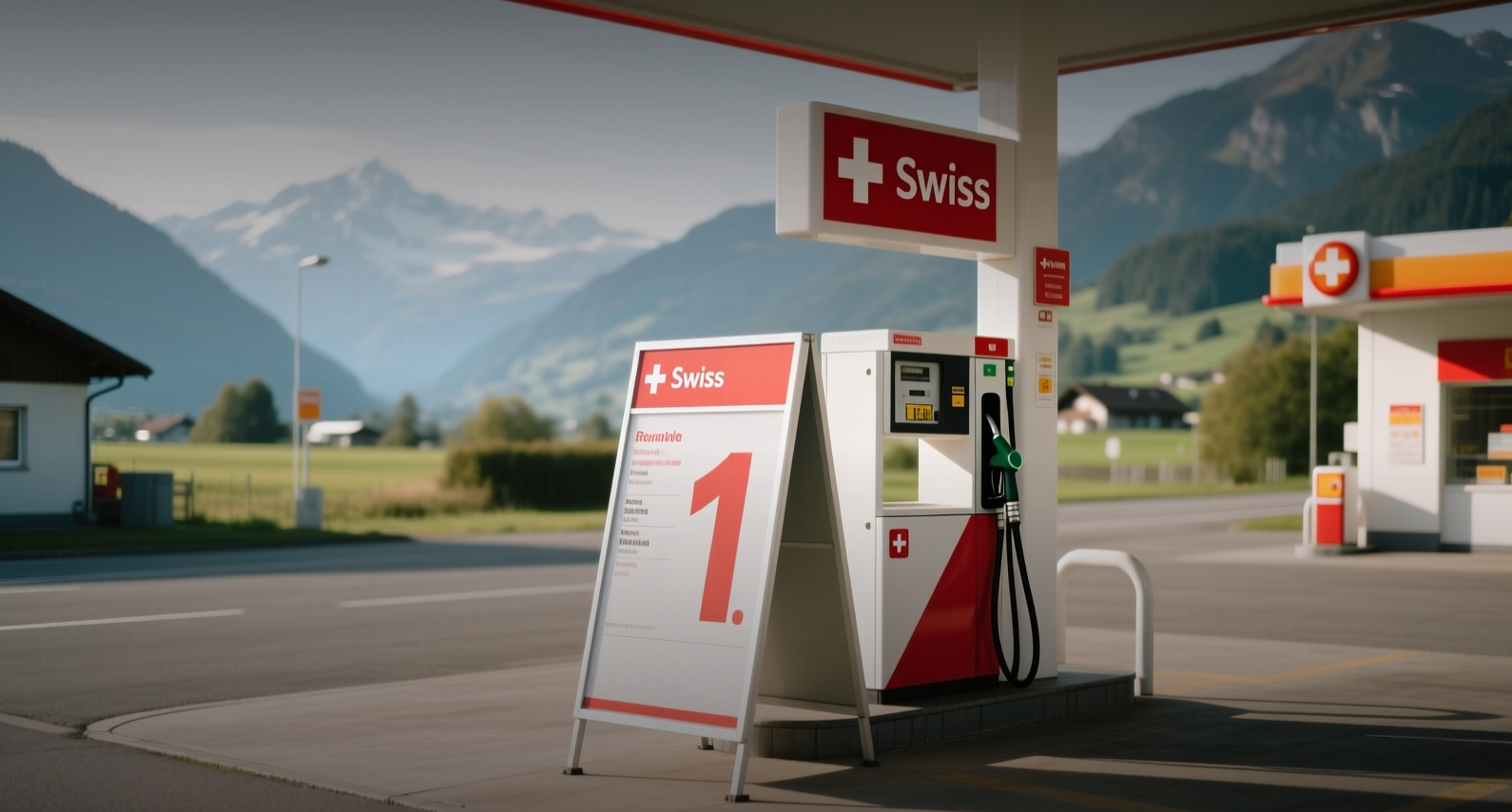
Swiss consumer prices doubled in August to an annual 0.8%, the fastest pace since 2024, as renewed US-Iran strikes lifted global energy costs and reversed several months of cooling price growth. The jump, reported Thursday by the Federal Statistical Office, marks a sharp turn from the 0.4% reading in July and from near-zero inflation at the start of 2026.
"We expect the headline rate to rise further over the coming quarters," said Ankita Amajuri, economist at Pantheon Macroeconomics. "Overall, we think inflation will average 1.0% in the second half of the year, and then rise to an average of 1.2% over 2027."
The FSO attributed the uptick to higher prices for petrol, diesel and heating oil, alongside rising housing rentals, with the cost of imported products—which include energy—climbing sharply. The move tracks a broader regional trend: eurozone inflation neared a three-year high on Tuesday as the Middle East escalation pushed energy prices up across the continent. Brent crude has hovered near $95 a barrel, and the S&P GSCI Petroleum Index is up more than 73 percent this year even after slipping Thursday as President Donald Trump signaled readiness to strike Iran again "at any time."
Switzerland is more insulated from global energy swings than many European peers because hydroelectric and nuclear plants supply most of its power, yet the passthrough through imported fuels has still been enough to lift the headline rate. The franc's strength has partly cushioned the shock—the currency appreciated after the first US military strike on Iran, and a firmer franc makes imported goods cheaper, damping inflation.
The reading stays within the Swiss National Bank's 0%-2% target range, but it complicates the policy picture. The SNB left interest rates unchanged at its June meeting, when Chairman Martin Schlegel said the medium-term inflation outlook remained broadly stable. Amajuri expects the central bank to hold again at its September meeting, though she sees a hike as possible in the first quarter of next year as energy-driven price pressure persists.
The SNB is expected to raise its inflation forecasts at this month's gathering, and investors will watch for comments on the franc's strength. At the June meeting, Schlegel signaled the bank was more prepared to step into currency markets to limit an excessive appreciation of the franc, which adds disinflationary pressure to Switzerland's export-dependent economy. The last time energy costs drove Swiss inflation to such levels, in 2024, the SNB responded by trimming rates as price growth cooled—a contrast that underscores how the current geopolitical shock has flipped the policy calculus.
For now, the central bank faces a balancing act: energy-driven inflation argues for tighter policy, while a strong franc and soft external demand pull the other way. With Brent still elevated and Washington threatening further strikes, the direction of Swiss prices over the coming quarters will hinge on whether Middle East tensions ease—and on how much of the energy shock the SNB judges to be temporary.
This article is for informational purposes only and does not constitute investment advice.
