OpenAI'nin robotiğe adım atması, Tesla'nın insansı robot hedefleriyle çarpışma rotasına girmesine yol açarak Elon Musk'ın otomobil üreticisi için uzun vadeli değerleme tezinin kilit bir ayağını tehdit ediyor.
OpenAI'nin robotiğe adım atması, Tesla'nın insansı robot hedefleriyle çarpışma rotasına girmesine yol açarak Elon Musk'ın otomobil üreticisi için uzun vadeli değerleme tezinin kilit bir ayağını tehdit ediyor.
OpenAI'nin robotiğe adım atması, Tesla'nın insansı robot hedefleriyle çarpışma rotasına girmesine yol açarak Elon Musk'ın otomobil üreticisi için uzun vadeli değerleme tezinin kilit bir ayağını tehdit ediyor.
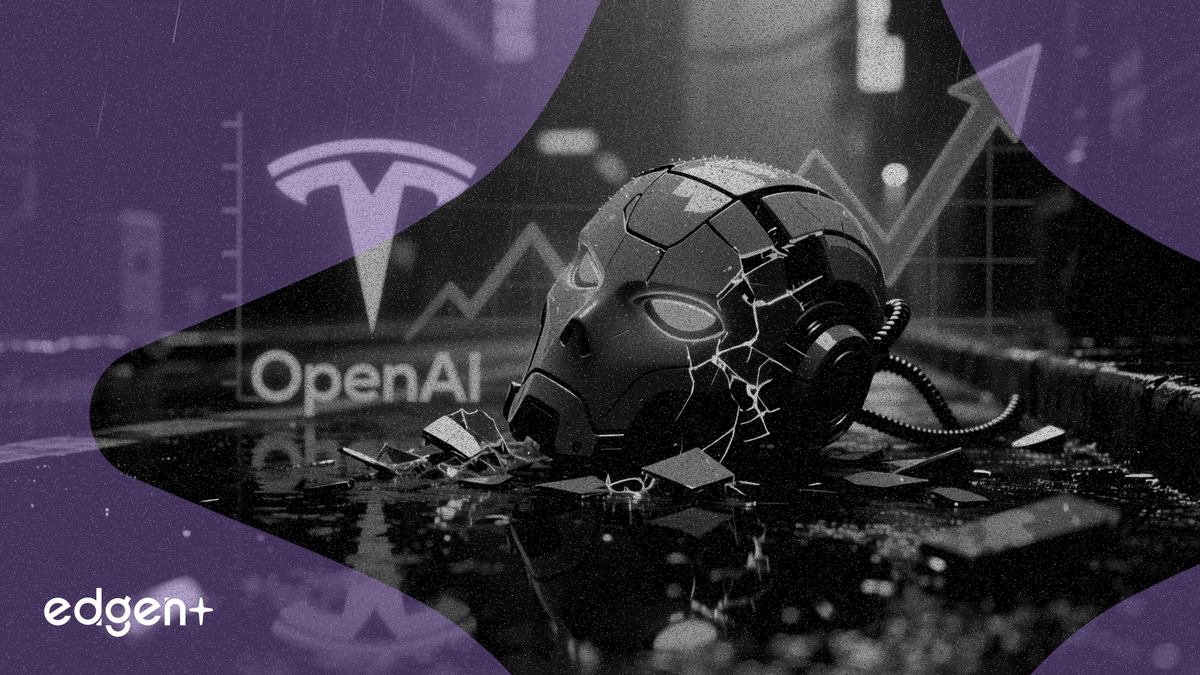
Tesla Inc. hisseleri Pazartesi günü erken işlemlerde %4,1'e varan oranda düşüş gösterdi. Bunun nedeni, OpenAI'in robotiğe genişleme planlarını açıklaması ve doğrudan Elon Musk'ın Optimus insansı robot vizyonuna meydan okumasıydı. Bu hamle, en yüksek fonlamaya sahip yapay zeka girişiminin artık fiziksel dünya otomasyonunu hedeflediğini ve Tesla'nın 2021'den bu yana geliştirdiği bir pazara girdiğini gösteriyor.
"İnsansı robot pazarı, Tesla ile OpenAI arasında iki atlı bir yarış haline geliyor ve OpenAI'in devasa bir sermaye avantajı var," dedi Deepwater Asset Management yönetici ortağı Gene Munster. "Tesla'nın Optimus anlatısı zaten spekülatifti — bu, primi haklı çıkarmayı daha da zorlaştırıyor."
OpenAI, Ekim 2024'te şirketi 157 milyar dolar değerleyen 6,6 milyar dolarlık bir tur da dahil olmak üzere toplam 20 milyar doların üzerinde fon topladı. Planlara aşina bir kaynağa göre, girişimin robotik bölümü, gerçek dünya algılama ve manipülasyon görevleri için GPT-5 büyük dil modelini kullanacak. İlk kez Eylül 2022'de prototip formunda tanıtılan Tesla'nın Optimus'u henüz ticari üretime geçmedi.
Rekabet tehdidi, Tesla'nın temel otomotiv işinin kendi baskılarıyla karşı karşıya olduğu bir dönemde geliyor. Şirket, 2025'te küresel çapta 1,63 milyon araç teslim etti ve hacmin büyük kısmını Model 3 ile Model Y oluşturdu. Tesla, Hindistan'da Model Y Premium RWD'yi ₹50,89 lakh (61.000 $) fiyatla piyasaya sürdü; bu, pazardaki en uygun fiyatlı teklifi olurken, doymuş Batı pazarlarının ötesinde büyüme arıyor. Bu arada şirket, Pazartesi günü Avustralyalı Syrah Resources ile yaptığı grafit tedarik anlaşmasındaki fesih bildirimini geri çekerek, Louisiana pil tesisindeki anot malzemeleriyle ilgili bir kalite anlaşmazlığını çözdü.
Tesla, yaklaşık 70 kat geçmiş kazançla işlem görüyor; bu çarpan, otomotiv dışı projelerden — Optimus, robotaksiler ve enerji depolama dahil — önemli bir gelecek değerini yansıtıyor. Musk, Optimus'un zamanla Tesla'nın en değerli işi haline geleceğini ve toplam 10 milyar ila 20 milyar adetlik bir pazar büyüklüğü öngördüğünü söyledi. OpenAI'in girişi, bu denkleme yüksek sermayeli ve kanıtlanmış yapay zeka yeteneklerine sahip bir rakip getiriyor.
OpenAI'in robotik çabası, mevcut altyapıdan faydalanıyor. Şirketin MMLU kıyaslamasında %92,1 puan alan GPT-5 modeli, sıfırdan bir temel model oluşturmak için gereken devasa eğitim yükü olmadan robotik kontrol görevleri için uyarlanabiliyor. Buna karşılık Tesla, hem donanımı hem de gömülü yapay zeka yazılımını şirket içinde geliştirmek zorunda; bu ikili yatırım, mühendislik kaynaklarını zorlayabilir.
52 haftalık zirvesinden yaklaşık %25 gerileyen Tesla hisseleri şimdi ek bir baskıyla karşı karşıya. Robotik rekabeti, yavaşlayan EV talebi ve Musk'ın Tesla, SpaceX, xAI ve diğer girişimleri arasında bölünmüş dikkatiyle ilgili mevcut endişeleri daha da derinleştiriyor. Musk yakın zamanda xAI'yı SpaceX ile birleştirdi ve SpaceX'i Tesla ile birleştirme fikrini ortaya attı; kurumsal yönetişim uzmanları bu hamlenin kontrolünü daha da yoğunlaştırabileceğini söylüyor.
Yatırımcılar için asıl soru, Tesla'nın insansı donanımdaki ilk hamle avantajının — şirket Optimus'u 2024'ün başından beri fabrikalarında test ediyor — OpenAI'in yapay zeka yazılımındaki üstünlüğünü dengeleyip dengeleyemeyeceği. "Donanımı kopyalamak zor, ancak yapay zekada yazılım hendekleri her geçen çeyrek derinleşiyor," dedi Munster. "Tesla'nın, OpenAI donanım tarafında yetişmeden önce ölçekte çalışan bir ürün göstermesi gerekiyor."
Bu makale yalnızca bilgilendirme amaçlıdır ve yatırım tavsiyesi niteliği taşımaz.
