

Key Takeaways:
- Tether-backed Adecoagro will mine Bitcoin using sugarcane biomass energy in Brazil
- The 10 MW pilot with 1,280 machines is set to go live by July 1, 2026
- Adecoagro already operates more than 230 MW of renewable generation capacity
Key Takeaways:
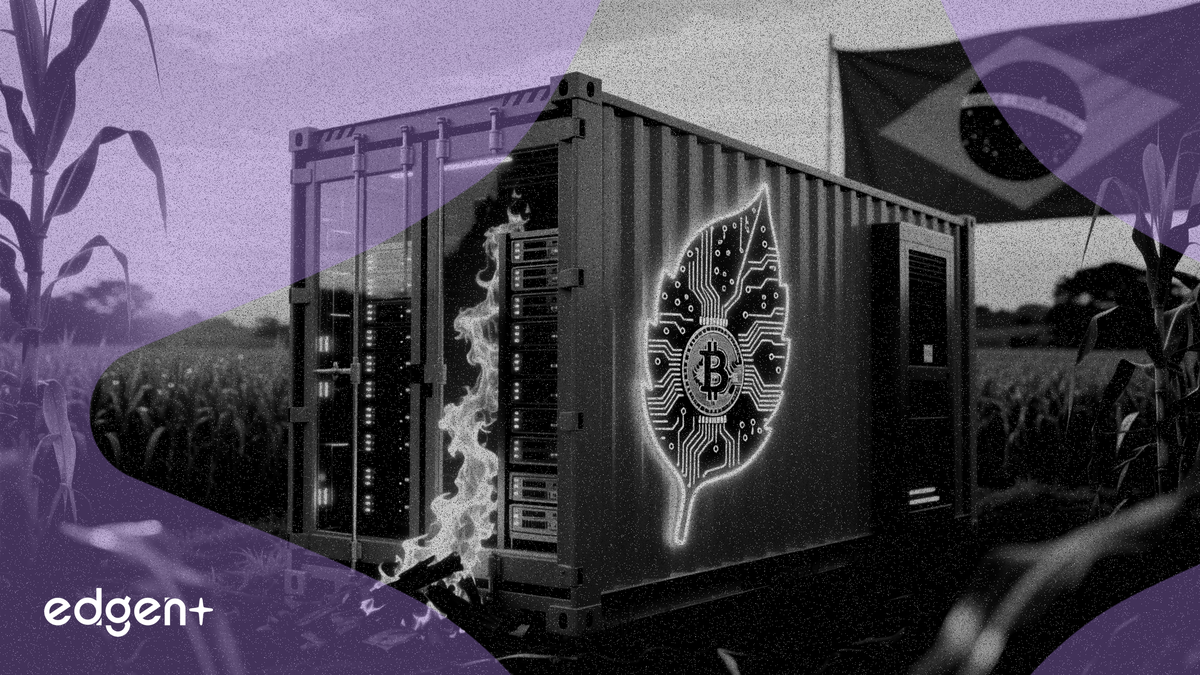
Tether-backed agribusiness Adecoagro plans a 10-megawatt Bitcoin mining operation in Brazil powered by sugarcane waste, targeting a July 1, 2026 launch.
"At this first stage, the company seeks to achieve energy efficiency and validate the operating model within an agribusiness setting," Matheus Lechuga, project manager at Adecoagro, said.
The Ivinhema facility in Mato Grosso do Sul state will run approximately 1,280 mining machines using electricity generated from bagasse, the fibrous residue left after sugarcane is crushed for sugar and ethanol production. Adecoagro already operates more than 230 megawatts of renewable electricity generation capacity across South America, giving the project an established energy platform before a single rig is switched on.
The pilot represents a test of whether surplus biomass energy from agricultural processing can provide a cost-effective, low-carbon power source for Bitcoin mining. If successful, the model could be replicated across other agricultural regions with predictable biomass surpluses, potentially reshaping how the mining industry sources its electricity.
Tether, the issuer of the $140 billion-plus USDT stablecoin, is the majority shareholder of Adecoagro, a NYSE-listed agro-industrial company with operations across Brazil, Argentina and Uruguay. The company owns approximately 210,400 hectares of farmland and produces more than 1 million megawatt-hours of renewable electricity annually from its sugar and ethanol operations.
The mining operation will use Tether's proprietary Mining OS for site management, which the company has said will be open-sourced. The project extends a strategy that Tether Chief Executive Officer Paolo Ardoino has outlined: building toward becoming the largest Bitcoin miner globally, backed by a reported $2 billion already deployed in energy production and mining operations.
The Mato Grosso do Sul state government supported the project through environmental licensing and business structuring assistance, Governor Eduardo Riedel's administration said. The state has also signed a digital education agreement with Google and launched a georeferenced postal address system for rural properties, framing the mining initiative as part of a broader technology and innovation agenda.
Brazil is one of the world's largest sugarcane producers with a mature bioenergy industry. The co-generation model — where one agricultural process produces sugar, ethanol and electricity simultaneously — creates surplus power that Bitcoin mining can absorb as a flexible, around-the-clock buyer. That dynamic gives the pilot its economic logic: turning an agricultural byproduct into a revenue stream without requiring entirely new power infrastructure.
This article is for informational purposes only and does not constitute investment advice.
