


Tether's self-custodial wallet now supports Lightning Network payments, turning it into a full-service Bitcoin payment tool.
Tether's self-custodial wallet now supports Lightning Network payments, turning it into a full-service Bitcoin payment tool.
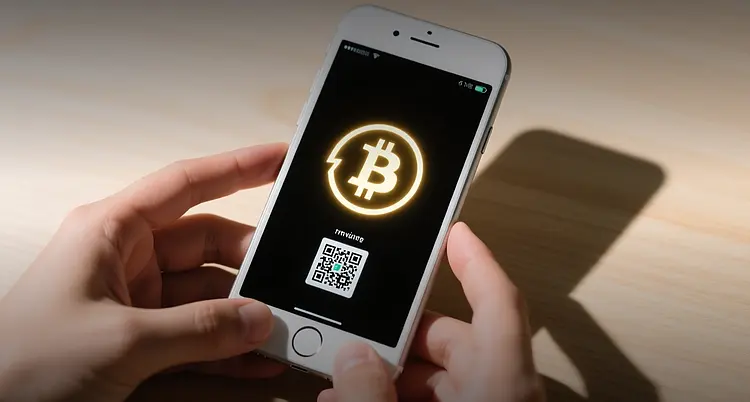
Tether's self-custodial wallet now supports Lightning Network payments, turning it into a full-service Bitcoin payment tool.
Tether released version 1.4 of its self-custodial wallet on June 18, adding Lightning Network support with BOLT11 invoices and LNURL functionality that lets users send and receive Bitcoin at near-instant settlement speeds.
The wallet, built on Tether's open-source Wallet Development Kit, supports Bitcoin on both the base layer and Lightning, alongside USDT, USAT and XAUT, Tether's gold-backed token, according to the company's release. Users generate payment requests with exact amounts and scan or share Lightning invoices directly from the app.
BOLT11 serves as the standard format for Lightning Network payment invoices, specifying the amount and routing path, while LNURL simplifies the process with reusable payment links and streamlined authentication. The update also includes improved fee estimation — a feature that matters because poor estimates on Lightning can cause failed payments or overpayments for routing, according to Tether.
The integration positions Tether to compete directly with Lightning-native wallets such as Phoenix, Breez and Zeus, as well as Strike, which has built its business model around Lightning payments. Tether's advantage lies in its stablecoin bridge — the ability to unify Bitcoin, USDT, USAT and XAUT in a single self-custodial application, potentially disrupting cross-border remittance services in emerging markets where Tether already has significant traction.
The January 2025 partnership with Lightning Labs laid the groundwork for this release, with the goal of bringing USDT directly to Bitcoin and the Lightning Network using the Taproot Assets protocol. When Tether enables USDT transfers over Lightning — as that roadmap outlined — sending dollar-pegged stablecoins at near-zero cost and near-instant settlement would position the product as a direct competitor to traditional remittance services.
The Tether Wallet first launched in mid-April 2026. Version 1.4 marks the first time Lightning functionality goes live for end users. No significant market reaction followed the rollout, with community focus remaining on Tether's broader Bitcoin strategy.
Separately, Tether is discontinuing Alloy by Tether and its gold-backed stablecoin aUSDT after evaluating user activity and market demand. Users can redeem aUSDT for XAUT until Sept. 17, 2026, after which recovery through Alloy ends.
This article is for informational purposes only and does not constitute investment advice.
