
Key Takeaways
- トランプ大統領は、来週開始予定だったEUからの自動車輸入関税を15%から25%に引き上げる計画を延期した。
- この関税は主に欧州の高級車ブランドに影響を与え、これらは米国の乗用車輸入全体の18%以上を占め、年間数百億ドルの価値がある。
- ボルチモア、ブランズウィック、ニューアーク、ヒューニーミの米主要4港は、EUとの自動車貿易への依存度が高く、大きな経済的リスクに直面している。
Key Takeaways
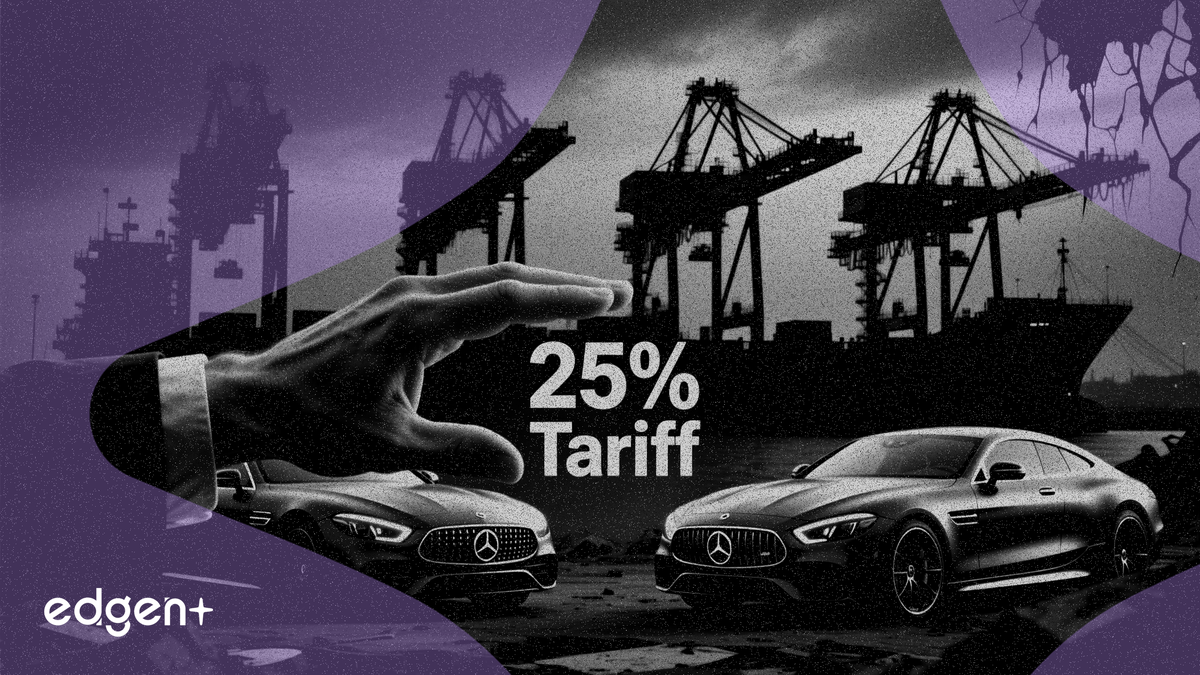
トランプ大統領は、来週から予定されていた欧州連合(EU)からの全乗用車輸入に対する25%の関税賦課の脅しを撤回したが、この一時的な猶予によって高級車メーカーや少なくとも米国の4つの主要海港に対する経済的リスクが解消されたわけではない。
報道によると、この関税の脅しは、ドイツのフリードリヒ・メルツ首相が、米国は「イランに屈辱を与えられており」戦略がないと述べた発言を受けたものである。
提案されていた関税は、現在の15%から25%に跳ね上がる見込みだった。2026年第1四半期において、EUの乗用車は米国の全輸入の18.09%を占めており、ドイツだけでそのシェアの半分以上(54.86%)を占めている。関税の引き上げは、ポルシェ、BMW、メルセデスといった高級ブランドに不均衡な影響を与えることになる。
大統領が7月4日の最後通牒を設定した後に確認された今回の延期により、数百億ドル規模の貿易が不透明な状態に置かれている。主なリスクは、車両輸入に高度に依存している米国の港にあり、25%の関税は輸送量を大幅に減少させ、地域経済や物流の雇用に影響を与える可能性がある。
全米トップの自動車港であるボルチモア港では、車両輸入の40%弱が欧州連合からのものである。
ジョージア州のブランズウィック港は、自動車貿易への依存度がさらに高く、車両輸入が総輸入額の76.31%を占めている。そのうちEU車は31.81%を占める。
ニュージャージー州のニューアーク港は、東海岸の港の中で最も依存度が高く、車両輸入額の46.06%がEUを原産地としている。
西海岸でさえ、カリフォルニア州のヒューニーミ港は乗用車輸入額の約29%がEUからのものである。
脅された関税は、トランプ大統領が米国の輸出に対するEU独自の関税を正当化の理由として挙げている、より大きな貿易紛争の一部である。
米国国勢調査局のデータによると、米国の自動車輸入全体はすでに減少しており、昨年は16.46%減少し、今年は23.11%減少している。新しい関税は、衰退しつつある市場にさらなる圧力をかけることになる。
本記事は情報提供のみを目的としており、投資アドバイスを構成するものではない。
