
In an unprecedented move, President Donald Trump has dropped a $10 billion lawsuit against his own administration's Internal Revenue Service, signaling a potential settlement that is drawing scrutiny from Congress.
In an unprecedented move, President Donald Trump has dropped a $10 billion lawsuit against his own administration's Internal Revenue Service, signaling a potential settlement that is drawing scrutiny from Congress.
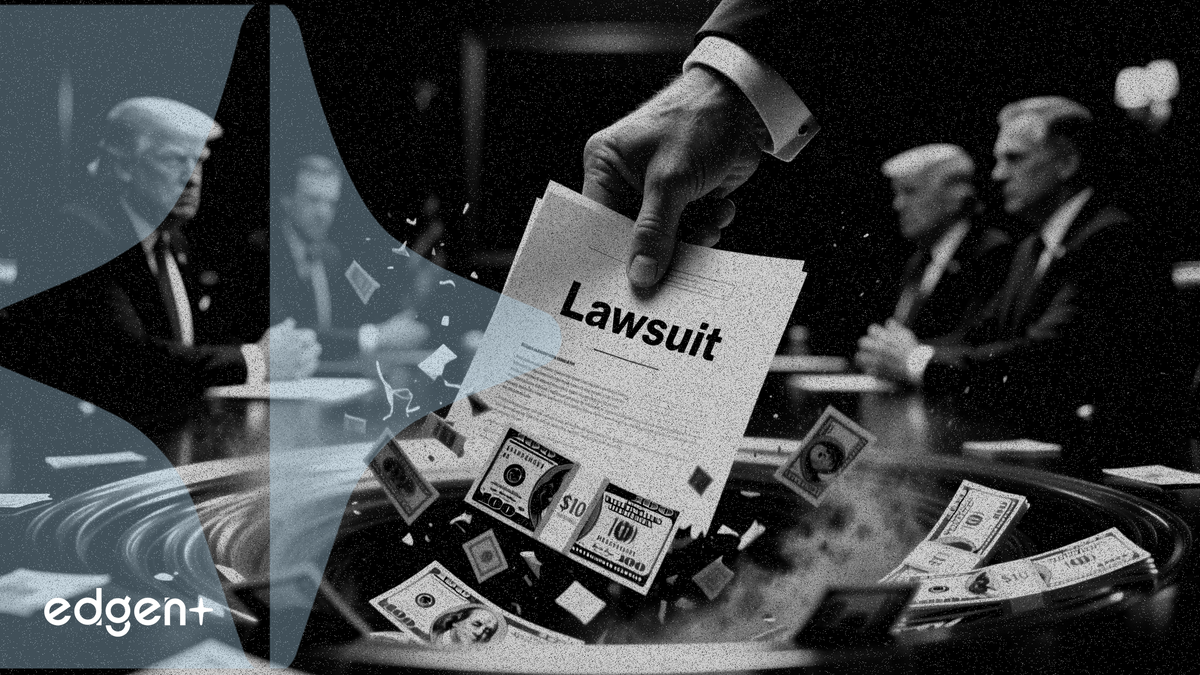
President Donald Trump has voluntarily dismissed a $10 billion lawsuit against the Internal Revenue Service, a maneuver that precedes the administration's expected announcement of a settlement fund to compensate allies who claim they were wrongfully investigated by the Justice Department. The withdrawal, filed in a Miami federal court on Monday, terminates a case that ethics watchdogs and legal experts had flagged as a significant conflict of interest.
“This case is unprecedented: A sitting president seeks monetary damages for alleged harm to his personal interests from an executive agency that he controls,” outside legal experts wrote in a brief to U.S. District Judge Kathleen M. Williams, who had been presiding over the case. The judge had expressed skepticism about the suit's legal standing, questioning whether a genuine dispute could exist between a president and his own administration.
The lawsuit, filed in January by Trump, his sons Donald Jr. and Eric, and the Trump Organization, sought damages over the unauthorized disclosure of his tax records. The leak was carried out by Charles Littlejohn, a former IRS contractor who was sentenced to five years in prison for providing the confidential tax information of Trump and thousands of others to news organizations.
By dismissing the case "with prejudice," Trump is barred from refiling the same claims, but the move also effectively sidesteps a looming court deadline and a hearing on the fundamental legitimacy of the lawsuit. The action is widely seen as clearing the path for an out-of-court resolution that could involve a new $1.8 billion fund, raising concerns about the use of taxpayer money and the politicization of the Justice Department.
The dismissal coincides with reports that the Trump administration is preparing to establish a $1.8 billion fund to compensate individuals who believe they were unfairly targeted by previous administrations. This development has drawn sharp criticism from nearly 100 House Democrats, who filed a "friend-of-the-court" brief accusing the president of “blatant self-dealing” and labeling the potential fund a "slush fund."
This follows other recent settlements with Trump allies. In March, the government settled a $50 million lawsuit with former National Security Advisor Michael Flynn for over $1 million. Carter Page, a former campaign adviser, also settled a lawsuit in April over government surveillance he faced in 2016.
The lawsuit's dismissal preempts a critical judicial review. Judge Williams had set a Wednesday deadline for the Justice Department and Trump's lawyers to address "whether a case or controversy exists in this matter." Legal experts had advised the court to scrutinize whether the government's lawyers were "insulated" from the president's influence and if settlement talks were being conducted at arm's length. Trump's legal team argued that the voluntary dismissal makes such judicial analysis a "nullity."
The move introduces significant policy uncertainty and could undermine investor confidence by raising questions about legal and regulatory stability. The creation of a vaguely defined settlement fund carries fiscal implications and fuels perceptions of a politicized justice system, factors that contribute to overall market risk.
This article is for informational purposes only and does not constitute investment advice.
