
The US will grant Ukraine a license to manufacture Patriot missile interceptors, addressing a critical shortage that has left Kyiv unable to stop Russian ballistic missiles.
The US will grant Ukraine a license to manufacture Patriot missile interceptors, addressing a critical shortage that has left Kyiv unable to stop Russian ballistic missiles.
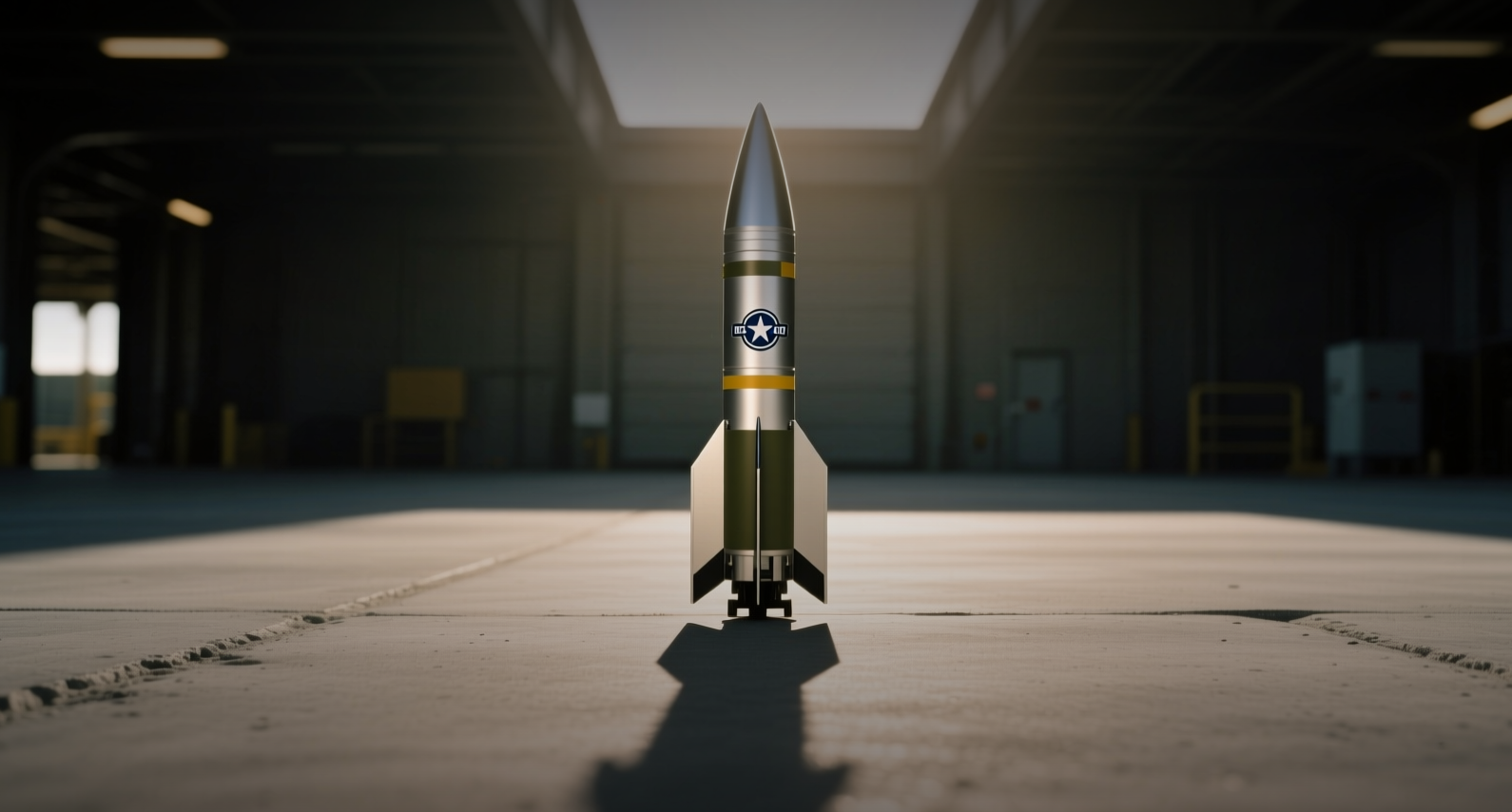
President Donald Trump said the US will grant Ukraine a license to manufacture Patriot interceptors, addressing a shortage that has left Kyiv unable to stop Russian ballistic missiles and boosting Lockheed Martin Corp.'s production outlook.
"It's a defensive weapon, which I like better than an offensive weapon," Trump said Wednesday at the NATO summit in Ankara, Turkey, alongside Ukrainian President Volodymyr Zelensky. "We're going to give a license to you to make Patriots."
The announcement comes as Russia has intensified its ballistic missile campaign against Ukrainian cities. Since July 1, Ukraine has intercepted as few as four of 46 ballistic missiles fired by Russia, according to the Institute for the Study of War. In the latest attack early Wednesday, Ukrainian air defenses shot down 139 of 169 drones but none of five ballistic missiles, air force data showed. More than 20 people died in a strike Sunday night when none of 23 ballistic missiles were intercepted.
The Patriot system, produced by Lockheed Martin Corp. and RTX Corp., is the only weapon in Ukraine's arsenal capable of intercepting ballistic projectiles. A single battery costs about $1 billion. Lockheed produced roughly 600 Patriot interceptors last year and is ramping to 2,000 annually, though the US used more than half its stockpile during its war with Iran earlier this year, according to the Center for Strategic and International Studies.
Russia can produce 60 to 65 Iskander ballistic missiles a month, according to Ukraine's military intelligence, while Ukraine's stockpile of interceptors has dwindled to critically low levels. Trump acknowledged the US cannot spare many additional systems. "We have Patriots, but we don't have that many. We need them for ourselves too," he said.
The president said he had not yet informed Lockheed Martin or RTX of the decision but expressed confidence the companies would cooperate. "We have great power over the companies, those companies that make the Patriot," Trump said. "I think they can produce it pretty quickly. Once we explain it, we'll bring the company here."
It remains unclear whether the missiles would be manufactured inside Ukraine or in a neighboring country. Military expert Ivan Stupak, a former Ukrainian security service officer, told the BBC that producing such advanced munitions on Ukrainian territory faces significant obstacles. "Technically and legally, I think this will be deployed to European soil instead — and supervised," he said, adding the process could take many months.
The license commitment marks a sharp departure from Trump's past criticism of Zelensky, including a contentious Oval Office meeting last year. On Wednesday, Trump said the two had developed a "very good" relationship and that both Moscow and Kyiv wanted to end the war. He said he would speak with Russian President Vladimir Putin later in the day.
Trump also signaled openness to purchasing Ukrainian drones, which Kyiv has developed into a sophisticated industry after having limited expertise when Russia invaded in 2022. Ukraine has signed nine drone deals with other nations, including agreements with Denmark, Estonia and the Netherlands announced Tuesday.
The last time the US authorized licensed production of a major weapons system abroad was for Japan's Mitsubishi Heavy Industries to build Patriot interceptors under a 2015 agreement, a process that took years to reach full production capacity. The Ukraine license could face similar timelines.
At the summit, NATO allies pledged €70 billion in military equipment and training for Ukraine in 2026, with commitments to sustain equivalent levels in 2027, according to the summit declaration.
For Lockheed Martin, the license represents a potential expansion of its addressable market beyond US government procurement. The company's shares have gained 18% this year through Tuesday's close, outperforming the S&P 500's 12% advance, as defense spending has risen across NATO member states.
This article is for informational purposes only and does not constitute investment advice.
