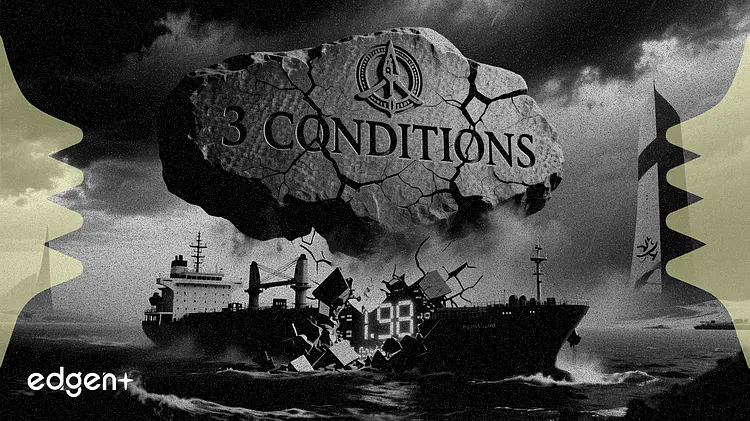
Trump Perşembe günü İran savaşını sona erdirmek için, küresel enerji piyasalarını altüst eden Hürmüz Boğazı ablukasını doğrudan hedef alan üç pazarlık götürmez koşul sıraladı.
Başkan Donald Trump Perşembe günü İran'dan kalıcı olarak nükleer silahlardan vazgeçmesini, Hürmüz Boğazı'nı geçiş ücreti olmaksızın çift yönlü geçişe derhal açmasını ve tüm deniz mayınlarını temizlemesini talep etti. Bu üç koşul, Tahran'ın savaş zamanı kozunun merkezini ortadan kaldıracak ve boğazın askıya alınan petrol trafiğinin %90'ından fazlasının potansiyel olarak serbest kalmasını sağlayacak.
Trump, daha bu ayın başında PBS News'e verdiği röportajda, "Bence savaşın bitme ihtimali çok yüksek, eğer bitmezse, onları tekrar bombalamaya dönmemiz gerekecek" diyerek Perşembe günü resmileştirdiği sert tutumun sinyalini vermişti. Başkan, yönetiminin gelecek hafta Çin'e yapmayı planladığı ziyaret öncesinde bir anlaşmaya son şeklini vermeye çalıştığı bir dönemde konuştu.
Dünya petrolünün yaklaşık %20'sinin geçtiği Hürmüz Boğazı'nda, çatışmanın 28 Şubat'ta patlak vermesinin ardından ticari trafik %90'ın üzerinde düştü. Britannica verilerine göre petrol fiyatları, savaş öncesi varil başına yaklaşık 70 dolardan Mart ayında ortalama 103 dolara fırladı. ABD'de benzin fiyatları Şubat ayındaki 2,98 dolardan galon başına 4,96 dolara yükselirken, Mayıs İmalat PMI girdi fiyatları endeksi 80,0'a ulaştı — bu, 2022 ortasından bu yana en yüksek seviye ve Şubat ayından bu yana 2021-2022 enflasyon krizinin hızını yansıtan 22 puanlık bir sıçrama.
Bu koşullar, ABD Donanması'nın 13 Nisan'da İran limanlarına yanaşan gemilerin boğazdan geçişini engelleyen ablukası ve 4 Mayıs'ta iki ABD bandıralı ticari gemiyi su yolundan geçiren "Proje Özgürlük" operasyonunun ardından geldi. Trump, 5 Mayıs'ta bir anlaşmaya doğru "büyük ilerleme" kaydedildiğini belirterek bu operasyonu durdurdu. En son talepler kabul edilirse, normal Hürmüz trafiğinin yeniden başlaması yaklaşık 1.000 petrol yüklü geminin birikmiş bekleyişini çözebilir — ancak reddedilirse Trump, askeri tırmanışa geri dönüleceğinin sinyalini verdi.
Anlaşma Yakın mı, Yoksa Savaşa Dönüş mü?
Bu ayın başlarında Trump, İran'ın yüksek oranda zenginleştirilmiş uranyumunu Amerika Birleşik Devletleri'ne ihraç etmesini ve yeraltı nükleer tesislerini işletmeme taahhüdünde bulunmasını içerecek bir anlaşma konusunda iyimser olduğunu ifade etmişti. PBS News'e verdiği demeçte, Çin seyahatinden önce bir anlaşmaya varılmasının "mümkün olduğunu" söyledi. Ancak yeni koşullar — özellikle boğazdan ücretsiz geçiş talebi — Pakistan'ın arabuluculuğunda yürütülen önceki tur görüşmelerde tartışılanların ötesine geçiyor.
İran, çatışma sırasında boğaz erişimi üzerindeki kontrolünü bir gelir kaynağı olarak kullanmış ve yüksek geçiş ücretleri ödeyen gemilere seçici olarak geçiş izni vermişti. "Geçiş ücreti yok" talebi, Britannica'ya göre Mart ayında İran'a petrol gelirinde günde ortalama yaklaşık 25 milyon dolar ek kazanç sağlayan bu gelir akışını doğrudan hedef alıyor.
Enerji Maliyetleri Artarken Stagflasyon Korkuları Yoğunlaşıyor
Ekonomik riskler artıyor. Mayıs İmalat PMI'ı, girdi maliyetlerinin Haziran 2022'den bu yana en hızlı şekilde yükseldiğini ve ödenen fiyatlar alt endeksinin Şubat ayındaki 57,3'ten 80,0'a fırladığını gösterdi. S&P Global ve Michigan Üniversitesi verilerine göre tahmini TÜFE enflasyonu %2,4'ten %4,2'ye hızlanırken, tüketici güveni aynı dönemde 56,6'dan 44,8'e çakıldı.
ABD'nin karşılaştığı buna benzer enerji kaynaklı bir enflasyon şoku en son 2021-2022 döneminde yaşanmıştı; o dönemde TÜFE %9'un üzerine çıkmış ve Fed on yılların en agresif sıkılaştırma döngüsüne girmişti. Bu kez fark, ekonomik büyümenin de yavaşlıyor olması — Mayıs ayında imalat ve hizmet sektörü faaliyetleri, şirketlerin işten çıkarmaları hızlandırmasıyla yalnızca mütevazı bir şekilde genişledi ve politika yapıcıların kaçınmayı umduğu stagflasyon koşullarını yarattı.
Bu makale yalnızca bilgilendirme amaçlıdır ve yatırım tavsiyesi niteliği taşımaz.