
President Donald Trump’s high-stakes visit to Beijing, his first in nine years, will test the fragile relationship between the world’s two largest economies as they navigate trade disputes, the war in Iran, and the sensitive issue of Taiwan.
President Donald Trump’s high-stakes visit to Beijing, his first in nine years, will test the fragile relationship between the world’s two largest economies as they navigate trade disputes, the war in Iran, and the sensitive issue of Taiwan.
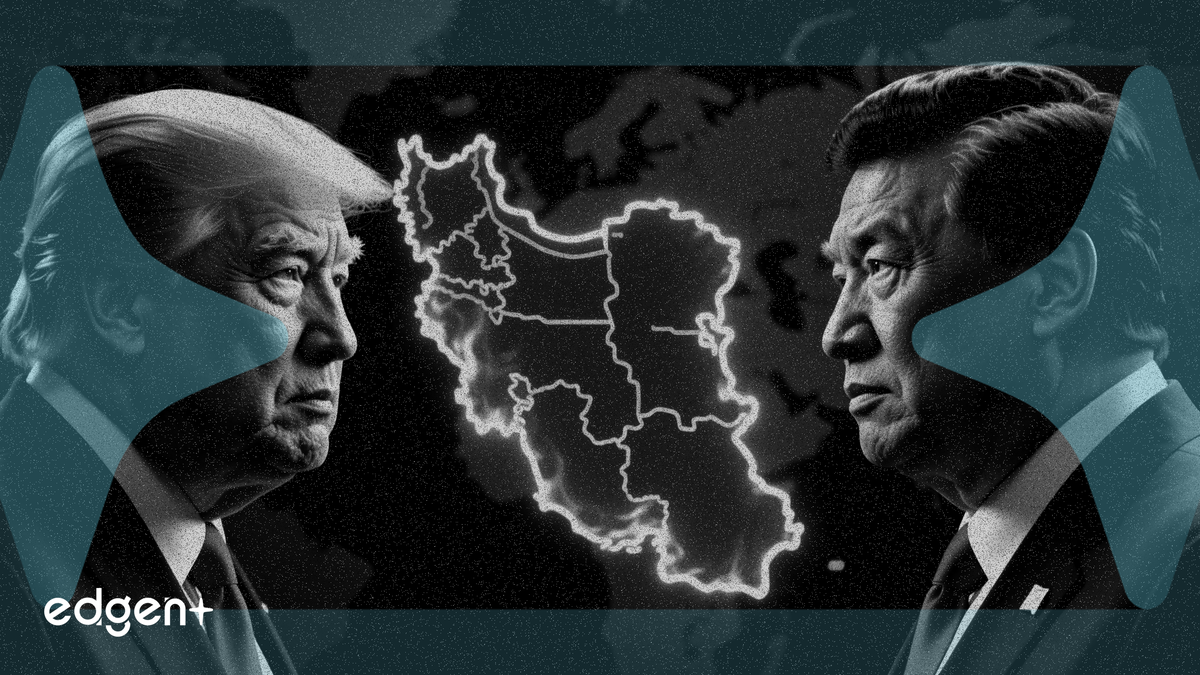
U.S. President Donald Trump is scheduled to make a state visit to China from May 13 to May 15, his first trip to the country in nine years, setting the stage for a critical summit with President Xi Jinping as tensions over the war in Iran and unresolved trade issues cast a long shadow over the proceedings.
"I think it's good that President Trump is going to China," Nicholas Burns, a former U.S. ambassador to China under President Biden, said in a recent NPR interview. "I think they would like to have, in essence, a truce in the tariff war. So tariffs may not be diminished, but they wouldn't go up. If they can accomplish that, that would be significant."
The visit, confirmed by China's Foreign Ministry, follows seven interactions between the two leaders since Trump's second term began, including a meeting in Busan, South Korea, on October 30, 2025. While the White House hopes to secure a major purchase of American agricultural products and extend a trade truce that has limited tariffs, Beijing is expected to press the U.S. on its "One China" policy regarding Taiwan and a pending $11 billion arms sale to the island. The war in Iran adds another layer of complexity, with China, the largest buyer of Iranian oil, having played a role in brokering a fragile ceasefire.
The outcome of the summit carries significant weight for the global economy. A successful meeting could stabilize markets by ensuring no new tariffs and potentially boosting U.S. agricultural exports. However, failure to manage disagreements over Taiwan or Iran could introduce fresh volatility and undermine the "correct path" of mutual respect and cooperation that President Xi called for in a February phone call with Trump.
The issue of Taiwan remains the most sensitive flashpoint in U.S.-China relations. Taiwanese officials have expressed anxiety ahead of the visit, fearing that President Trump might make an impromptu rhetorical concession in a private meeting with Xi. "The most serious scenario would be if President Trump were to make an impromptu statement, such as, ‘I oppose Taiwanese independence,’" said Chienyu Shih, of the Institute for National Defense and Security Research in Taiwan.
Beijing has consistently pushed for the U.S. to move from its stance of not supporting Taiwanese independence to actively opposing it. While the White House has publicly stated its policy remains unchanged, Chinese officials see an opportunity with Trump. Complicating matters is a pending U.S. arms sale to Taiwan worth over $10 billion, which the Trump administration has put on hold before the visit. Former ambassador Nicholas Burns expressed hope that Trump would not agree to suspend the sale, emphasizing the need for Taiwan to maintain a strong deterrent.
Economic competition is at the heart of the U.S.-China relationship. President Trump has been working to secure a large purchase of American agricultural products, particularly soybeans, which have been impacted by diminished Chinese buying. A significant deal would be a major win for the U.S. farm economy.
Both sides are also looking to solidify a truce in their long-running trade war. While this may not involve rolling back existing tariffs, an agreement to prevent further escalation would provide much-needed stability for global supply chains. During Trump's 2017 visit, $250 billion in non-binding deals were announced, though many failed to materialize, setting a precedent for skepticism regarding the tangible outcomes of such high-profile summits.
The ongoing conflict in Iran has reshaped the geopolitical landscape, and its effects will be felt in Beijing. China, with its deep economic ties to Tehran, was instrumental in encouraging Iran to agree to a ceasefire after Iranian forces choked off the Strait of Hormuz.
The White House expects Trump to pressure Xi to use China's leverage to help establish a more lasting peace. For China, a stable Middle East is crucial for its economy, which is already facing slower growth. A successful diplomatic intervention could also strengthen Beijing's position in trade negotiations with the Trump administration, showcasing its role as a global power capable of promoting stability.
This article is for informational purposes only and does not constitute investment advice.
