
L'administration étudie une action de clémence à grande échelle qui pourrait s'étendre à des personnalités financières et politiques controversées, soulevant des questions sur l'autorité du ministère de la Justice.
L'administration étudie une action de clémence à grande échelle qui pourrait s'étendre à des personnalités financières et politiques controversées, soulevant des questions sur l'autorité du ministère de la Justice.
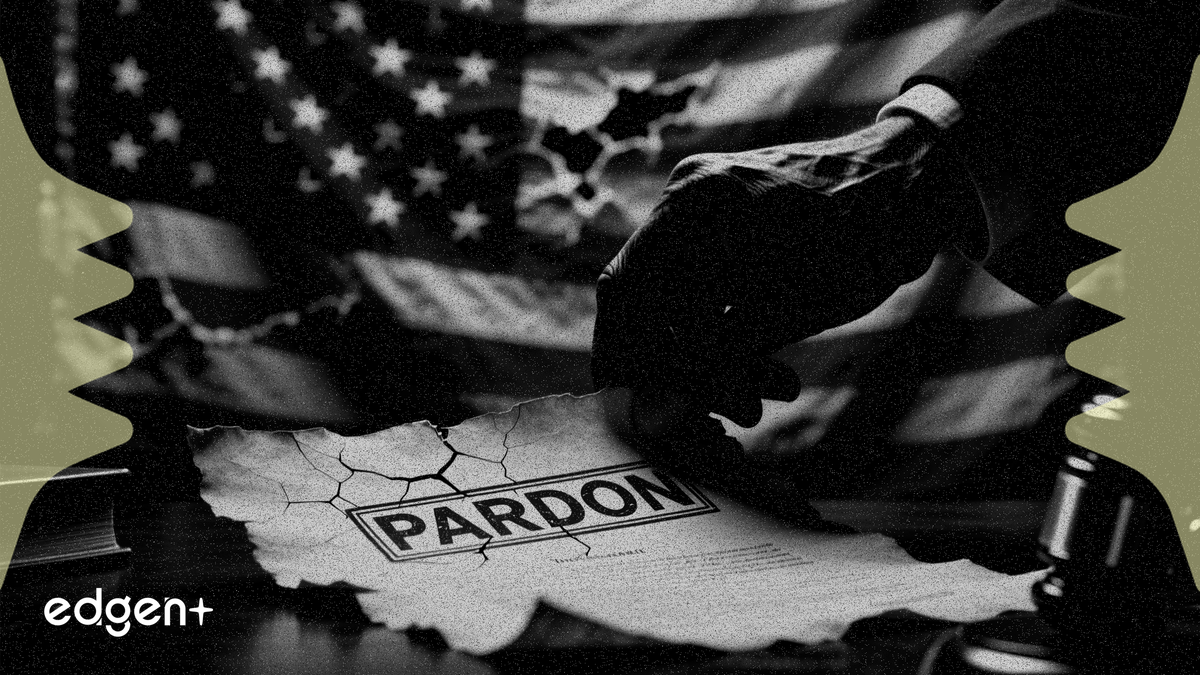
L'administration Trump envisage un plan visant à accorder 250 grâces présidentielles cet été pour marquer le 250e anniversaire de l'Amérique, un acte de clémence massive qui pourrait relancer la controverse sur l'usage que fait le président de ses pouvoirs constitutionnels et son impact sur l'application de la loi en matière de criminalité financière.
« Il y a une pile de grâces qui, selon moi, paraissent à toute personne raisonnable non seulement hautement discutables mais tout simplement manifestement troublantes », a déclaré Dan Greenberg, chercheur juridique principal à l'institut libertarien Cato, décrivant les récentes mesures de clémence de l'administration comme une « tempête de grêle ».
Le plan, encore au stade de discussions préliminaires selon des sources proches du dossier, fait suite à une série de grâces accordées à des personnalités condamnées pour des délits financiers, notamment le fondateur de Nikola, Trevor Milton, et le fondateur de Binance, Changpeng Zhao. Cela a contribué à un record de plus de 16 000 demandes formelles de grâce l'année dernière et a alimenté un débat sur la question de savoir si la clémence est étendue aux riches et aux personnes influentes.
L'enjeu n'est pas seulement le sort des individus, mais l'intégrité perçue du système judiciaire américain, en particulier dans sa lutte contre la corruption publique et la criminalité en col blanc. Alors que la section de l'intégrité publique du ministère de la Justice aurait été vidée de ses effectifs, passant de 40 avocats à seulement deux, et que les grâces pourraient inclure la remise de la restitution financière, cette mesure pourrait signaler un changement de politique significatif délaissant la punition des malversations financières.
Les experts juridiques affirment que l'approche de l'administration en matière de clémence crée un « effet dissuasif » sur les poursuites pour corruption. La section de l'intégrité publique du ministère de la Justice, créée après le Watergate pour poursuivre les fonctionnaires corrompus, a vu ses effectifs chuter d'environ 40 avocats à plein temps à seulement deux sous l'administration actuelle, selon d'anciens responsables.
« Je pense que cela a un effet dissuasif sur des cas spécifiques. Je pense que cela a un effet dissuasif général sur les procureurs qui ne poursuivent plus du tout les affaires de corruption publique », a déclaré John Keller, qui était chef par intérim de la section avant de démissionner en 2025. Il a soutenu que l'épuisement des ressources rend « pratiquement plus difficile la poursuite de ces affaires ».
La Maison Blanche a défendu ses actions. « Le président Trump a exercé son autorité constitutionnelle pour accorder des grâces et des commutations de peine à diverses personnes, y compris celles qui ont été victimes du système judiciaire instrumentalisé de Biden », a déclaré la porte-parole Abigail Jackson dans un communiqué.
Pourtant, la liste des grâces pour corruption publique s'est allongée, incluant au moins 15 anciens élus et leurs associés. Plus de la moitié de ces grâces sont allées à des républicains ou à des partisans de Trump, selon un examen des dossiers.
Un aspect moins connu mais puissant de la clémence est la remise (remission), qui permet à un président d'éliminer les sanctions financières, y compris la restitution due aux victimes. Ceci est particulièrement lourd de conséquences dans les affaires de cols blancs où les ordonnances de restitution peuvent s'élever à des millions ou des milliards de dollars et constituent souvent l'élément le plus important d'une peine.
La dette fédérale de restitution dépasse désormais les 110 milliards de dollars, bien que la grande majorité soit considérée comme irrécouvrable. La Cour suprême a récemment affirmé dans l'arrêt Ellingburg v. United States que la restitution est une forme de punition, et pas seulement une compensation. La récente grâce accordée par le président Trump au fondateur de Nikola, Trevor Milton, incluait la remise de « toutes amendes, pénalités, confiscations et restitutions », une mesure qui a suscité de vives critiques.
« Il y a une sorte de dédain pour l'idée même que la corruption soit un problème », a déclaré Richard Briffault, professeur à la Columbia Law School. « Ils agissent comme si la corruption n'était tout simplement pas un sujet. »
Les 250 grâces potentielles, qui pourraient être annoncées le 14 juin ou le 4 juillet, constitueraient l'acte de clémence unique le plus important de l'histoire récente. Cette décision mettrait en pratique directe la vision controversée du président sur le système judiciaire, avec des implications significatives sur la manière dont les délits financiers et politiques sont poursuivis et punis aux États-Unis.
Cet article est fourni à titre informatif uniquement et ne constitue pas un conseil en investissement.
