
The White House is weighing a CENTCOM plan for periodic strikes on Iranian military targets near the Strait of Hormuz, a strategy that could keep crude risk premiums elevated for weeks.
The White House is weighing a CENTCOM plan for periodic strikes on Iranian military targets near the Strait of Hormuz, a strategy that could keep crude risk premiums elevated for weeks.
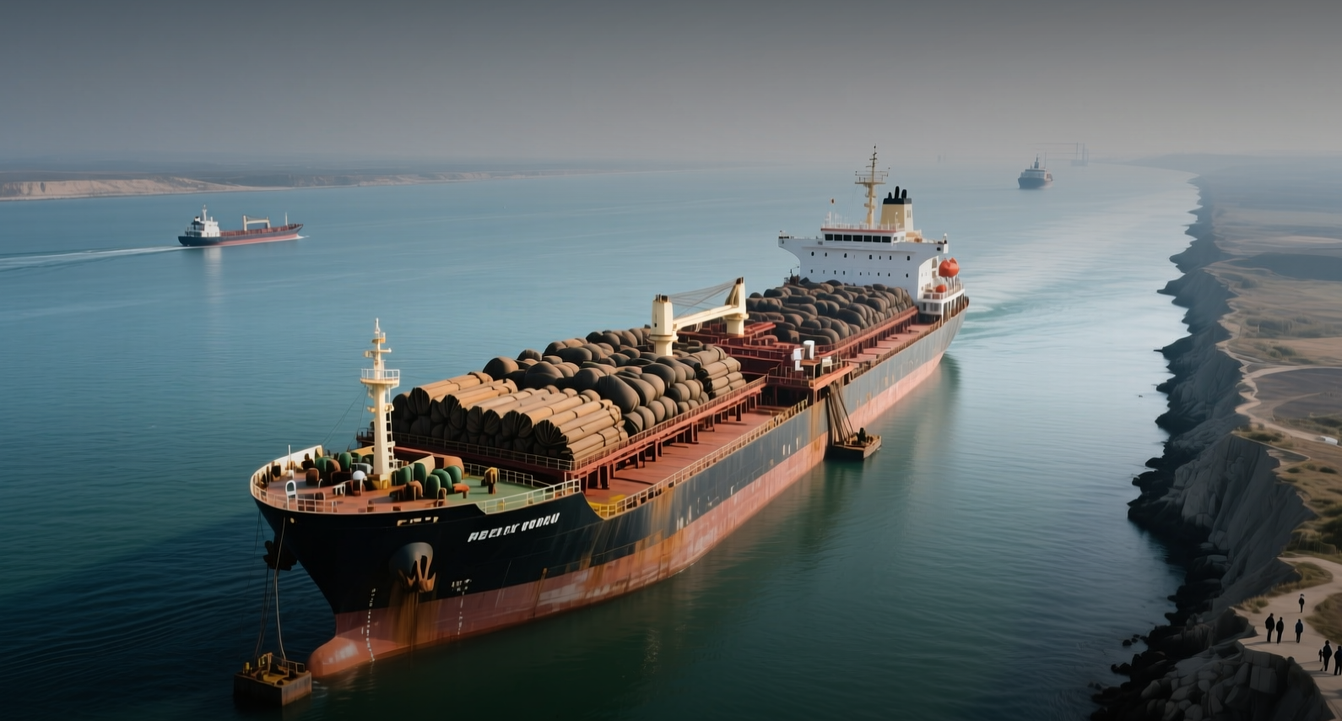
The White House is weighing a CENTCOM plan for periodic strikes on Iranian military targets near the Strait of Hormuz, a strategy that could keep crude risk premiums elevated for weeks.
The Trump administration is weighing periodic limited strikes on Iranian targets near the Strait of Hormuz, a strategy officials call "mowing the lawn" to protect oil shipping after Iran's missile attack on US bases.
"The President retains all options at his disposal. The Iranians want to make a deal, but they are always a day late and a dollar short," a White House spokesperson said.
The CENTCOM plan, developed over the past week and backed by Defense Secretary Pete Hegseth, targets Iranian radar, air defense, and anti-ship missile capabilities in the strategic waterway. US forces recently struck two Iranian launchers on Larak Island, and Iran retaliated with ballistic missiles toward US facilities in Jordan, which Jordan said its air defenses intercepted. Oil shipping through Hormuz has rebounded to up to two-thirds of pre-war levels, with the US Navy escorting an average of 30 ships a night through the strait.
The Strait of Hormuz handles roughly 20 percent of global oil trade, making any renewed military confrontation a direct threat to crude supply routes. If Trump approves the plan, oil prices could spike as shipping costs rise and insurance premiums on tankers surge. If he holds back, the risk premium may ease but the threat of Iranian attacks on shipping remains.
The latest exchange marks the second round of US-Iran military clashes since July. US forces struck two Iranian rocket launchers on Larak Island after Washington said Tehran was preparing to launch rockets and deploy sea mines in the strait. Iran responded with ballistic missiles aimed at US military facilities in Jordan, which Jordan's air defenses intercepted. Trump told Fox News on Monday that the US would "hit them hard" in response.
US officials have grown increasingly concerned that Iran is rebuilding radar, air defense, and anti-ship missile systems around the strait. One incident that heightened concerns involved an Iranian anti-aircraft missile fired toward a US F-35 fighter jet providing cover for ships in the waterway. The missile did not come close enough to threaten the aircraft, but officials viewed it as evidence that Iran was attempting to restore its military posture.
The White House had previously been leaning against approving the strikes because of concerns that further military action could trigger a wider confrontation with Iran. The latest escalation could shift that calculus, according to officials cited by Axios.
For energy markets, the stakes are direct. The Strait of Hormuz carries roughly 20 percent of global oil consumption, and any disruption to tanker traffic would immediately feed into crude prices. Oil shipping through the strait has already recovered to about two-thirds of pre-war levels, with the US Navy escorting an average of 30 ships a night, according to Gulf News. But the risk of renewed attacks on tankers keeps a geopolitical premium embedded in crude prices.
The escalation also pressures global equity markets as investors rotate toward defensive sectors and safe-haven assets. Defense and energy stocks could benefit from the conflict, while broader indices face headwinds from higher oil prices feeding into inflation expectations. Gold and US Treasuries typically attract flows during such episodes.
The last time the US and Iran traded direct military strikes was in July, when US forces first targeted Iranian positions in the strait. That round of escalation pushed crude prices higher before stabilizing as shipping resumed. The current cycle, with the "mowing the lawn" strategy under consideration, suggests the conflict could become a recurring feature rather than a one-off event.
Iran's Supreme Leader Mojtaba Khamenei is urging Gulf states to unite against what he calls their "real enemy": America and Israel. Meanwhile, Turkey, Saudi Arabia, and nuclear-armed Pakistan held their first high-level meeting under the new Mecca Joint Defense Agreement, a pact that Turkey claims could expand. Turkish Foreign Minister Hakan Fidan called Israeli Prime Minister Benjamin Netanyahu a "common enemy of humanity," raising questions about the direction of the new alliance.
For investors, the key question is whether Trump approves the CENTCOM plan. If he does, periodic strikes could keep the strait in a state of chronic disruption, sustaining elevated oil prices and shipping costs. If he doesn't, the immediate risk premium may fade, but Iran's rebuilding of missile and radar capabilities would continue to threaten the waterway.
This article is for informational purposes only and does not constitute investment advice.
