주요 내용:
- TSMC C.C. 웨이 CEO, 2026년도 이익공유 보너스 최소 30% 인상 약속
- 15% 삭감 루머에 직원 반발 및 파업 위기 발생한 후 나온 발표
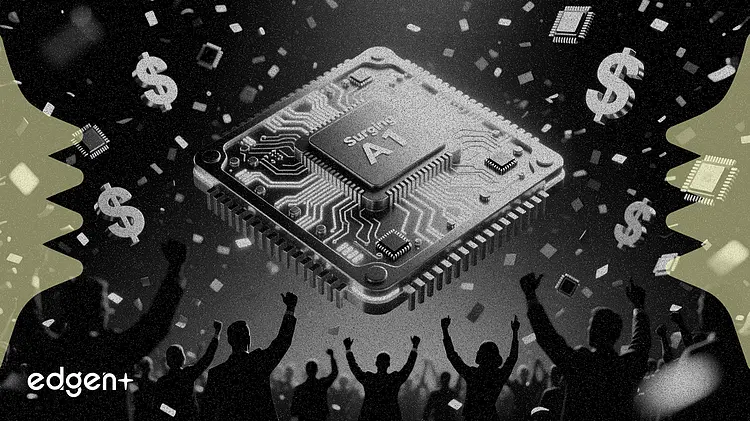
- TSMC, AI 칩 수요 급증으로 1분기 매출 1조 1,300억 대만달러(359억 달러) 신기록
주요 내용:
TSMC 직원들은 올해 이익공유 지급액이 최소 30% 인상될 것이라고 C.C. 웨이 회장 겸 CEO가 밝혔다. 삭감 루머에 직원 반발이 일어난 지 얼마 지나지 않은 시점이다.
대만 반도체 제조 회사 TSMC의 C.C. 웨이 회장 겸 CEO는 직원들에게 2026년도 이익공유 보너스가 30% 이상 인상될 것이라고 말했다. 이는 15% 삭감 루머로 단체 행동 위협이 제기된 이후 나온 발표다.
"이 회사에 보너스 상한선은 없습니다"라고 웨이는 5월 27일 전사 회의에서 밝혔다. 회의에 참석한 직원들에 따르면 이사회는 매년 수익을 기준으로 이익공유를 결정한다.
이 약속은 TSMC가 1분기 매출 1조 1,300억 대만달러(359억 달러)와 순이익 5,724억 8,000만 대만달러(182억 달러)를 기록하며 사상 최대 실적을 발표한 이후 나왔다. 이는 전년 동기 대비 58.3% 증가한 수치로, AI 가속기와 고성능 컴퓨팅에 사용되는 첨단 칩에 대한 끊임없는 수요에 힘입은 것이다.
보너스 논란은 TSMC의 급증하는 수익성과 그 혜택을 노동자가 얼마나 나눠 받는지 사이의 긴장이 커지고 있음을 드러냈다. 회사는 대만, 미국, 일본, 독일에 12개의 새로운 팹을 건설하며 2나노미터 및 1.4나노미터 제조 공정에서 리더십을 유지하기 위해 경쟁하고 있다.
이번 소동은 TSMC가 직원 지급액을 최대 15% 삭감하는 방안을 검토하고 있다는 언론 보도에서 촉발됐다. 일부 직원들은 회사가 사상 최대 이익을 기록하는데 왜 자신들의 보상이 줄어들어야 하는지 의문을 제기했다. 직원들은 노조 결성과 단체 행동의 합법성에 대해 논의했으며, 삼성전자가 반도체 이익공유를 놓고 막판 합의에 도달해 18일 파업을 간신히 피한 사례와 유사점을 찾았다.
웨이는 2026년 보너스 인상 폭이 작년 전체 지급액 대비 최소 30%가 될 것이라며, 이는 전년도 증가율보다 높은 수치라고 말했다. 참석자에 따르면 그는 직원들에게 추가 수입으로 TSMC 주식을 매수할 것을 권장했다. 웨이는 환경, 사회, 지배구조(ESG) 관련 약속(친환경 투자 및 사회적 지출 증가 포함)이 이사회의 이익 배분 결정에 영향을 미쳤다고 말했다.
웨이는 많은 기업이 보너스를 부문별 수익성에 연동하는 반면, TSMC는 전체 기업 성과를 기준으로 지급액을 평가한다고 설명했다. 회사의 사회적 책임 부담은 매년 증가했지만, 보너스 풀(pool)은 여전히 최소 30% 확대될 것이라고 그는 말했다.
이번 사태는 AI 붐이 전례 없는 수익을 창출하는 가운데 노동자들이 더 큰 몫을 요구하는 반도체 업계 전반의 광범위한 변화를 반영한다. 삼성 칩 부문 직원들은 올해 초 1인당 약 34만 달러의 일회성 보너스를 거부했는데, SK하이닉스가 지급액을 반복적으로 이익에 더 직접적으로 연동하는 새로운 기준을 세웠다고 주장했기 때문이다.
투자자 입장에서는 이번 해결로 세계 최고 첨단 반도체 기업의 단기적 노동 이슈가 제거됐다. TSMC 주가는 AI 주도의 수익과 함께 상승세를 보이며 시가총액이 1조 달러를 넘어섰다. 보너스 약속은 경영진이 AI 수요가 확장과 직원 보상 모두에 필요한 수익 흐름을 유지할 것이라고 확신하고 있음을 시사한다. TSMC의 최대 AI 칩 고객인 엔비디아도 이번 분기 사상 최대 실적을 발표했으며, 젠슨 황 CEO는 컴퓨텍스 무역 박람회를 앞두고 대만을 방문했다.
본 기사는 정보 제공 목적으로만 작성되었으며 투자 조언을 구성하지 않습니다.
