TSMC, yapay zeka talebinin mevcut her gofreti tüketmesiyle dünya çapında 18 yeni çip fabrikası inşa etmek için yarışıyor.
TSMC, yapay zeka talebinin mevcut her gofreti tüketmesiyle dünya çapında 18 yeni çip fabrikası inşa etmek için yarışıyor.
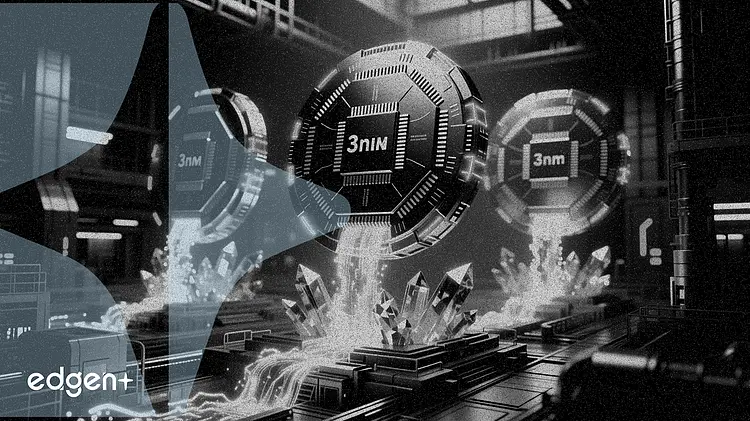
TSMC, yapay zeka talebinin mevcut her gofreti tüketmesiyle dünya çapında 18 yeni çip fabrikası inşa etmek için yarışıyor.
TSMC'nin Tayvan, Arizona ve Japonya genelindeki 3nm kapasite genişlemesi, yapay zeka çip talebinin mevcut her gofreti tüketmesi ve ileri paketleme arzının daha da geride kalmasıyla gerçekleşiyor.
"Yapay zeka hızlandırıcılarının yönlendirdiği 3nm teknolojimize yönelik benzeri görülmemiş bir talep görüyoruz," dedi TSMC CEO'su C.C. Wei. "Kıtlık, gofretlerin ötesine geçerek en sıkı darboğazımız olmaya devam eden ileri paketlemeye kadar uzanıyor."
Şirket, tarihindeki en büyük kapasite genişlemesi olan küresel çapta 18 yeni üretim tesisi inşa ediyor. TSMC'nin 5nm selefine kıyasla kabaca %15 daha hızlı mantık hızları ve %30 daha düşük güç tüketimi sunan 3nm düğümü, Nvidia'nın Blackwell ve AMD'nin MI300 serisi yapay zeka hızlandırıcıları için birincil süreç olarak hizmet veriyor. Genişleme üç kıtaya yayılıyor: Arizona ve Kumamoto, Japonya'daki yeni fabrikalar, şirketin Tayvan merkezindeki mevcut kapasiteyi tamamlıyor.
Kapasite artırımı, TSMC'yi yapay zeka yarı iletken pazarından artan bir pay almaya konumlandırıyor; ancak üç coğrafyadaki uygulama riski ve CoWoS (chip-on-wafer-on-substrate) paketleme genişlemesi için sıkı zaman çizelgesi temel zorluklar olmaya devam ediyor. İleri paketleme teslim süreleri, HBM (yüksek bant genişlikli bellek) entegrasyonu talebinin arzı geride bırakmasıyla 12 ayın ötesine uzadı.
TSMC'nin 3nm kapasitesi, Nvidia, AMD ve Amazon'un Annapurna Labs'ı ve Google'ın Tensor ekibi dahil olmak üzere büyüyen bir özel yapay zeka çip tasarımcıları listesinden gelen talebi karşılayacak kadar hızlı genişleyemiyor. Şirketin mantık yongalarını yüksek bant genişlikli bellekle birleştiren CoWoS ileri paketleme kapasitesi, ardışık çeyreklerdir tükenmiş durumda.
Samsung Foundry, 3nm'de büyük yapay zeka çip siparişleri kazanmakta zorlanırken, Intel'in dökümhane işi 18A düğüm zaman çizelgesini erteledi ve TSMC'yi son teknoloji yapay zeka silikonunun tek yüksek hacimli tedarikçisi olarak bıraktı. Bu neredeyse tekel konumu, şirketin kapasite genişlemesine yıllık on milyarlarca dolar harcamasıyla önemli yatırımları tetikledi.
Başlangıçta işgücü kıtlığı ve izin sorunları nedeniyle geciken TSMC'nin Arizona fabrikasının, 2026'da 4nm üretimine ve ardından 2028'de 3nm'ye başlaması planlanıyor. Sony ile bir ortak girişim olan Japonya'daki Kumamoto tesisi, otomotiv ve görüntü sensörleri için eski düğümlere odaklanarak Tayvan kapasitesini gelişmiş yapay zeka çipleri için serbest bırakıyor. Şirket ayrıca Avrupa talebini karşılamak için Almanya'nın Dresden kentinde potansiyel bir fabrikayı değerlendiriyor.
Her yeni fabrikanın maliyeti 10 milyar ila 20 milyar dolar arasında değişiyor ve seri üretime ulaşması üç ila beş yıl sürüyor. TSMC'nin Tayvan üretim verimliliğini birden fazla coğrafyada tekrarlama yeteneği, kapasite genişlemesinin yatırımcıların beklediği getiriyi sağlayıp sağlamayacağını belirleyecek.
TSMC'nin yapay zeka çip üretimindeki baskın konumu, ona fiyatlandırma gücü ve uzun vadeli gelir görünürlüğü sağlıyor, ancak coğrafi genişleme için gereken büyük sermaye harcaması uygulama riski getiriyor. Yapay zeka talebi beklenenden daha hızlı yavaşlarsa, şirketin kapasite artırımı kullanım oranlarını ve marjları baskılayabilir.
Bu makale yalnızca bilgilendirme amaçlıdır ve yatırım tavsiyesi niteliği taşımaz.
