
Ukrayna savaş meydanlarında ucuz ancak ölümcül drone'ların yaygınlaşması, Batılı başkentlerde askeri strateji ve savunma harcamalarının temelden yeniden değerlendirilmesini zorunlu kılıyor.
Ukrayna savaş meydanlarında ucuz ancak ölümcül drone'ların yaygınlaşması, Batılı başkentlerde askeri strateji ve savunma harcamalarının temelden yeniden değerlendirilmesini zorunlu kılıyor.
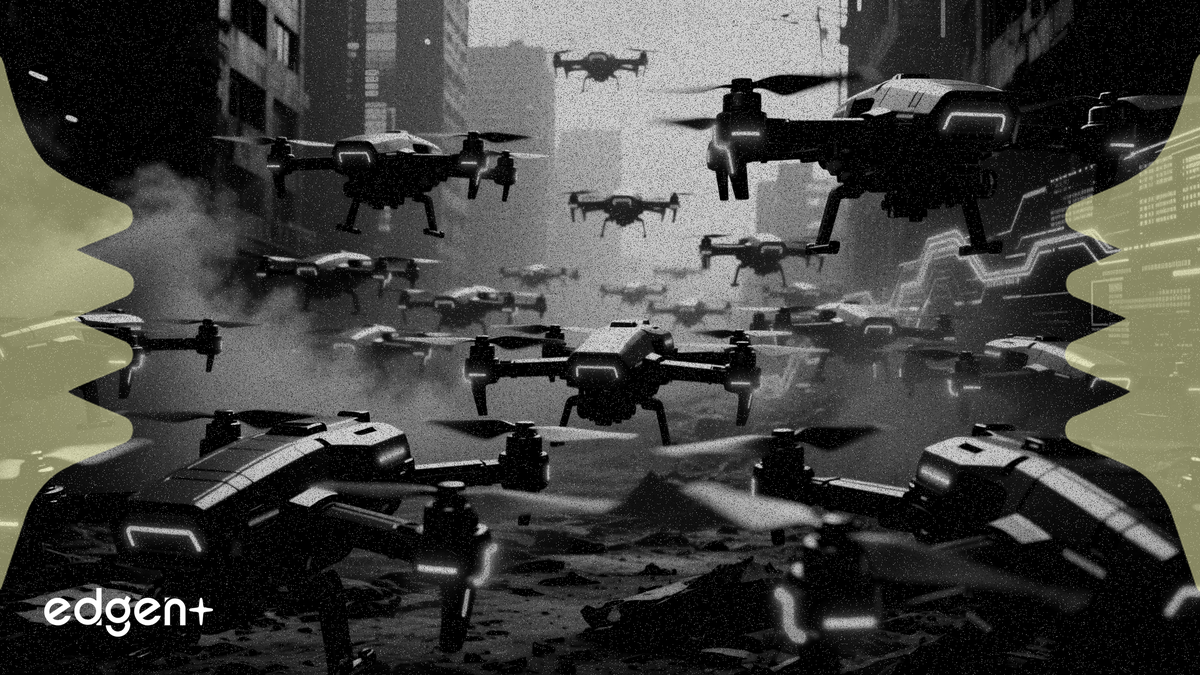
Ukrayna savaş meydanlarında ucuz ancak ölümcül drone'ların yaygınlaşması, Batılı başkentlerde askeri strateji ve savunma harcamalarının temelden yeniden değerlendirilmesini zorunlu kılıyor.
Şu anda beşinci yılında olan Ukrayna savaşı, savaş alanı taktiklerini temelden değiştiren ve teknolojik dengeyi çevik, savunma odaklı kuvvetler lehine kaydıran, İHA merkezli yeni nesil savaşın gerçek dünyadaki laboratuvarı haline geldi. Şubat 2022'de başlayan çatışma, savaşın geleceğinin tüfekler ve tanklardan ziyade kumanda kolları ve ekranlarla yapılabileceğini gösteriyor; küresel ordular şimdi bu gerçekle başa çıkmak için çabalıyor.
Hudson Enstitüsü'nden seçkin kıdemli araştırmacı Walter Russell Mead, 19 Mayıs'ta Wall Street Journal'da şunları yazdı: "Savaşın doğası değişti ve çoğu gözlemcinin — ve dünyanın çoğu ordusunun — henüz anladığından çok daha hızlı ve radikal bir şekilde değişiyor. Orduların ne olduğu ve nasıl savaştığına dair neredeyse her varsayım her gün sorgulanıyor ve yeniden şekilleniyor."
Bu değişim, bazısı 20'li yaşlarında olan İHA operatörlerinin artık ana savaşçılar olduğu ön saflarda açıkça görülüyor. Ordular arasındaki bölge, insansız hava araçlarıyla o kadar yoğun bir "gri bölge" haline geldi ki, Mead'in raporuna göre tek bir yaralı askerin tahliyesi iki ayı bulabiliyor. Ukrayna, uzun menzilli cephaneliğini önemli ölçüde artırmak amacıyla, ön hattın onlarca kilometre gerisindeki hedefleri vurmak üzere tasarlanmış kendi 250 kilogramlık süzülme bombasını da geliştirdi.
Çatışmadaki bu evrim, büyük güçleri stratejik bir dönüm noktasına zorluyor. Örneğin, ABD Deniz Özel Harp Komutanlığı şu anda harekat alanında doğrudan 3 boyutlu yazıcıyla üretilebilen 15 ila 30 fitlik feda edilebilir insansız deniz araçlarının (İDA) fizibilitesini araştırıyor. 20 Nisan'da yayınlanan bir bilgi talebi, Hürmüz Boğazı'nı da içeren CENTCOM bölgesindeki tehditlerle mücadele etmek amacıyla, en az 200 deniz mili menzile sahip, hızlı ve ucuz bir şekilde üretilebilen İHA'lara duyulan ihtiyacı belirtiyor.
Ukrayna çatışması, uzun süredir tanklar ve savaş uçakları gibi pahalı, seçkin platformlara dayanan geleneksel askeri doktrini altüst etti. Bunun yerine Ukrayna, keşiften hassas vuruşlara kadar her şey için çok sayıda ucuz ticari ve özel yapım İHA'dan yararlandı. Bu, daha küçük olan silahlı kuvvetlerinin daha büyük Rus ordusuna ağır kayıplar verdirmesini sağladı ve teknolojik ustalığı kaba kuvvetle etkili bir şekilde takas etti.
Mead, "İHA savaşının temelleri saldırıdan ziyade savunmayı destekliyor; bu da Ukrayna'nın daha küçük silahlı kuvvetlerinin, kazanılan her dönüm arazi için ağır bir bedel ödetirken daha kalabalık Rus saldırganlarını engelleyebileceği anlamına geliyor," dedi. Ancak bu savunma avantajı, her iki tarafın da hızlı bir teknolojik inovasyon ve adaptasyon döngüsüne girmesiyle sürekli bir değişim halindedir. Ukrayna yenilik yaparken, Rusya bombardımanlarına devam ediyor; Cumhurbaşkanı Volodimir Zelenskiy'e göre son zamanlarda sekiz Ukrayna bölgesine 524'ten fazla saldırı İHA'sı ve 22 füze fırlatıldı.
Ukrayna'daki taktiksel başarılar, Batı'nın askeri tedarik ve stratejisini doğrudan etkiliyor. ABD Donanması'nın 3 boyutlu yazıcıyla üretilen İDA'lara olan ilgisi, Ukrayna deniz dronlarının Karadeniz'deki kanıtlanmış etkinliğine verilen doğrudan bir yanıttır. 2025 yılındaki kayda değer bir olayda, bir Ukrayna "keseli" İDA'sı iki Rus jet uçağını başarıyla düşürerek, düşük maliyetli deniz dronlarının yüksek değerli hava ve deniz varlıklarına karşı koyma potansiyelini sergiledi.
Yanıt son tarihi 21 Haziran 2026 olan ABD bilgi talebi, talep üzerine üretilebilen, feda edilebilir, ileri konuşlandırılmış sistemlere doğru bir geçişin sinyalini veriyor. Bu yaklaşım, geleneksel gemi yapımının uzun ve pahalı üretim sürelerini baypas ediyor ve gelişen savaş alanı ihtiyaçlarına göre hızlı iterasyona olanak tanıyor. Hürmüz Boğazı'na odaklanılması, Karadeniz'deki derslerin, ticari nakliyatı güvence altına almak ve bölgesel tehditlere karşı koymak için benzer taktiklerin kullanılabileceği bir başka kritik deniz geçiş noktasına uygulanması için proaktif bir adımı işaret ediyor.
Bu makale yalnızca bilgilendirme amaçlıdır ve yatırım tavsiyesi teşkil etmez.
