
The White House has publicly accused a Chinese AI startup of industrial-scale theft of American artificial intelligence technology for the first time.
The White House has publicly accused a Chinese AI startup of industrial-scale theft of American artificial intelligence technology for the first time.
The White House on July 22 accused Chinese startup Moonshot AI of covertly distilling Anthropic's Fable model to build its Kimi K3 system, the first time a senior US official has named a specific Chinese lab for copying an American model.
"Open source is not open season on American IP," Treasury Secretary Scott Bessent posted, warning that "sanctions and Entity List designations will be on the table" for companies engaged in large-scale distillation of American AI models.
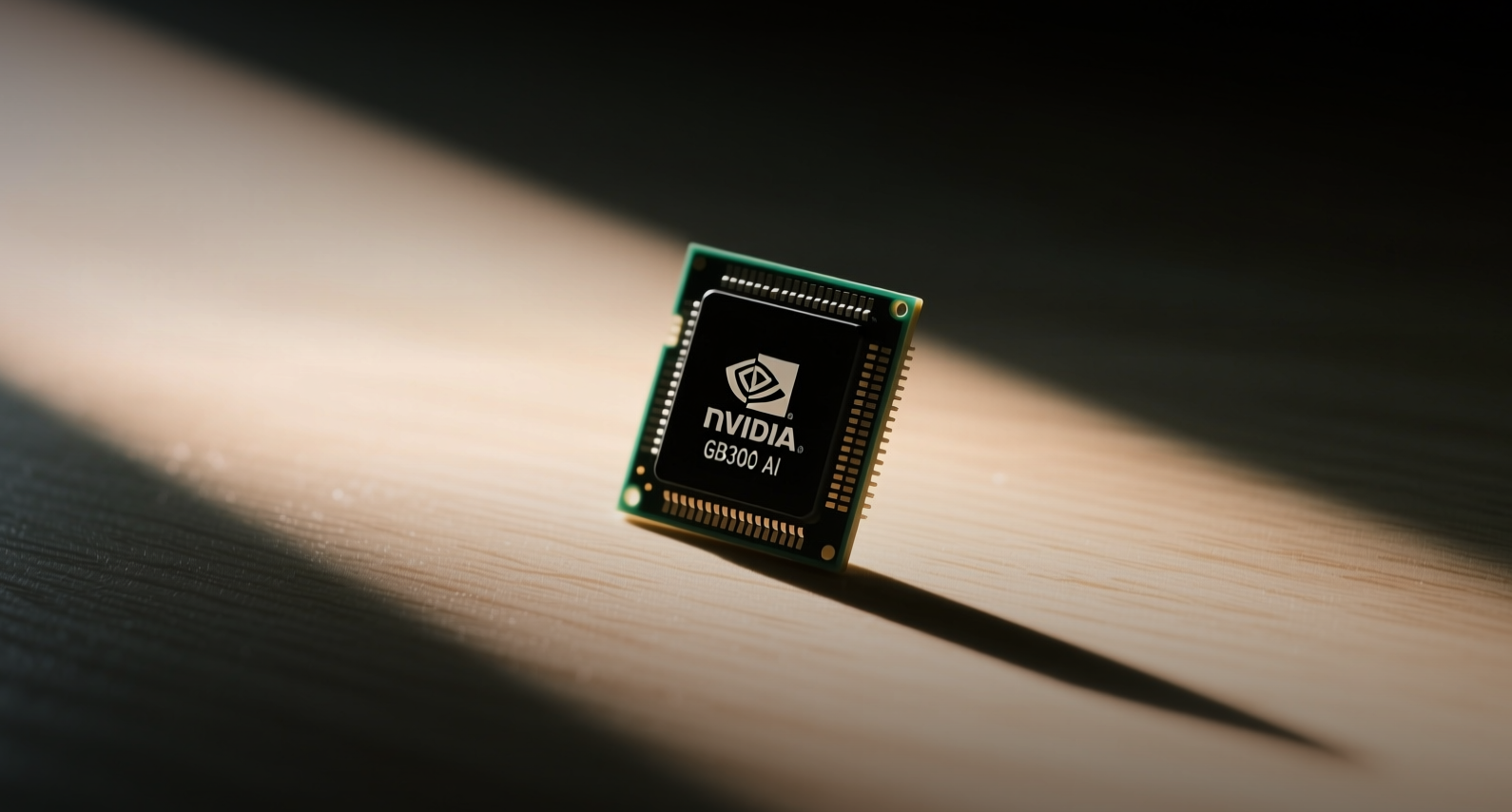
Michael Kratsios, director of the White House Office of Science and Technology Policy, alleged that Moonshot had developed a sophisticated internal platform to conduct large-scale model distillation while rapidly switching between access methods to avoid detection. Kratsios also said Moonshot acquired Nvidia's GB300-equipped servers and accessed GB300 hardware in Thailand, potential violations of US export controls that ban the sale of advanced AI chips to Chinese entities.
Entity List placement would cut Moonshot off from American hardware, software, and cloud infrastructure — the same punishment Washington imposed on Huawei in 2019. The broader stakes extend beyond a single startup: if Washington establishes that distillation of American AI models constitutes intellectual property theft subject to sanctions, it would create a new legal framework governing how AI technology flows across borders.
China's Foreign Ministry pushed back on July 23, with spokesperson Lin Jian saying the country's AI development comes from "greater self-reliance and strength in science and technology." He expressed opposition to "politicizing and instrumentalizing" trade and technology issues, adding that "such actions will only stifle global AI advances."
The accusation built on earlier evidence. In February 2026, Anthropic disclosed that it had traced approximately 3.4 million Claude exchanges to Moonshot AI, evidence the company argued showed systematic extraction of its model's capabilities. Anthropic's Fable model became publicly available on July 1, 2026. Moonshot released Kimi K3 as an open-weight model the following week, a compressed timeline that fueled suspicion of bootstrapped capabilities, though several independent researchers have questioned whether a model released days after Fable's public launch could have been built primarily through distillation.
No formal sanctions or Entity List designations have been announced as of July 23. Moonshot AI has not publicly responded. The full Kimi K3 weights are scheduled to go public on July 27, a release that would make the model's architecture and training methods available for independent scrutiny.
The last time Washington imposed similar restrictions on a Chinese technology company — Huawei in 2019 — the move reshaped global supply chains and cost the Chinese firm an estimated $15 billion in lost revenue within two years, according to public disclosures. US-listed AI and semiconductor stocks face potential headwinds from escalating geopolitical risks, with the Philadelphia Semiconductor Index down 3.2 percent this month as trade tensions have mounted. Defense contractors including Lockheed Martin and Northrop Grumman could benefit from renewed focus on US-China military competition, after China launched a new large warship that analysts say extends its naval reach into the Pacific.
This article is for informational purposes only and does not constitute investment advice.
