
Key Takeaways: U.S. Trade Representative Jamieson Greer blamed Canada for the collapse of tariff talks, saying Ottawa "wanted more" after the two sides nearly reached a deal before new 50 percent duties took effect.
Key Takeaways: U.S. Trade Representative Jamieson Greer blamed Canada for the collapse of tariff talks, saying Ottawa "wanted more" after the two sides nearly reached a deal before new 50 percent duties took effect.
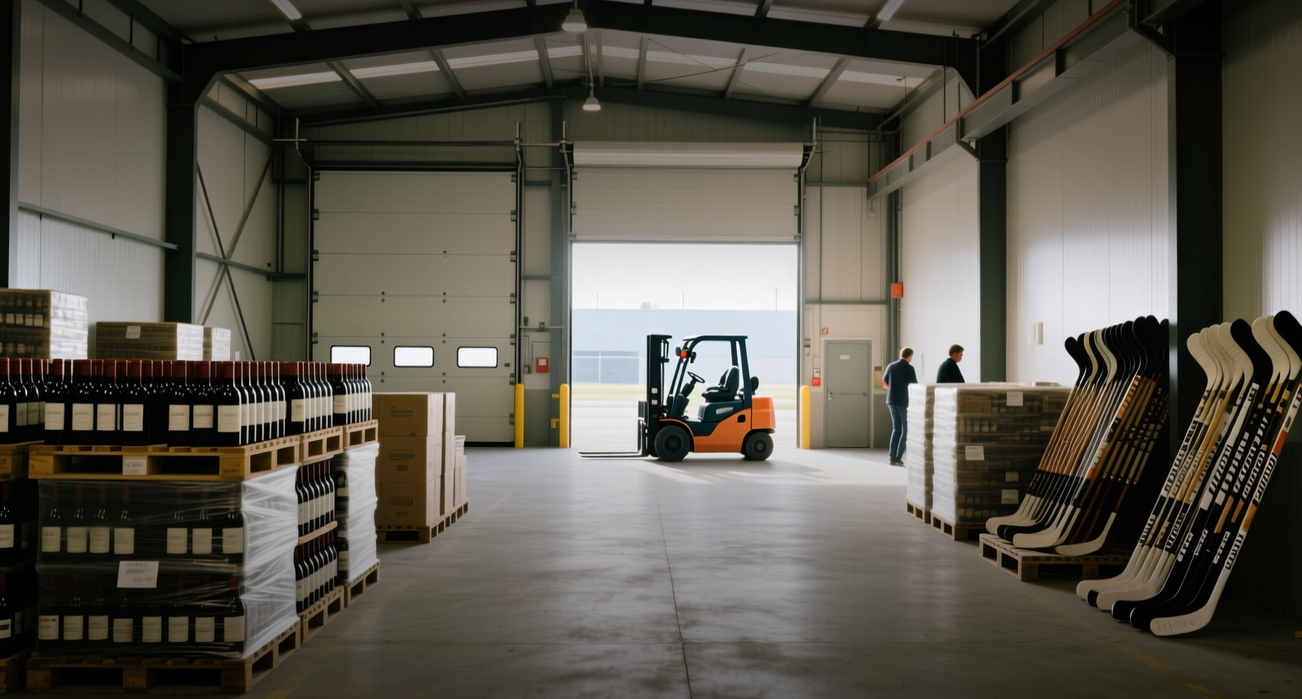
U.S. Trade Representative Jamieson Greer blamed Canada on Monday for the collapse of tariff negotiations, saying Ottawa changed its demands at the eleventh hour as new 50 percent duties on about $20 billion of Canadian goods took effect over the weekend.
"We progressed to a point Tuesday night where we had enough agreement among the parties to announce that we had found the way to a deal," Greer told CNBC's "Squawk Box." "Then in the last hours, I think there were things that the Canadians just — you know, they wanted more."
The comments mirror those from Canadian Prime Minister Mark Carney, who accused the U.S. of proposing "last-minute changes" that were "unfair, uneconomic, and called into question the reliability of any deal." The 50 percent duties on wine, hockey sticks, cement and other goods took effect at 12:01 a.m. ET Saturday, stoking alarm from business groups on both sides of the border.
Carney said Canada will retaliate "dollar for dollar," with matching tariffs on steel, dairy, appliances, agricultural equipment, pulp and paper and electronics set to take effect Sept. 8. Ottawa has committed $25 billion to support workers and businesses affected by the dispute.
Greer said the trade clash "started" with Canada restricting sales of U.S. alcohol, autos and dairy last year, barriers Ottawa imposed in response to earlier tariffs from President Donald Trump. In response to Canada's refusal to eliminate those barriers, "we proposed some very tailored tariffs, covering about 5% of what they send us," Greer said.
The U.S. negotiator said Washington "sought to accommodate the Canadians" by "cutting tariffs in half on steel, on aluminum, and extensively reducing them on autos, and even on things like softwood lumber." "Simply, they wanted more," he said. "I don't know if it was political for them. It certainly doesn't make economic sense."
Trump on Aug. 24 announced plans to raise tariffs on Canadian cars, trucks, automotive parts and steel on Jan. 1, 2027, a deadline that Marcel Wieder, president of Aurora Strategy Global, said should be read as a negotiating clock rather than a final break. "They felt that Canada would have folded like a cheap tent, like the Europeans or some of the other markets, and acquiesced to them," Wieder told CBC. "We didn't. We stood firm and I think caught them off guard."
The four-month gap gives both governments room to return to the table before measures hit industries that rely on steady parts flow. Wieder said senators in both parties are unhappy with the tariffs, and the November midterms could shift political pressure in Washington and influence how quickly talks resume.
While the new 50 percent tariffs cover just a fraction of total U.S.-Canada trade, business groups argue the consumer-focused list will take a major toll on exposed sellers. "The impact on small businesses will be immediate and significant," said Dan Kelly, president of the Canadian Federation of Independent Business.
Carney has told provincial premiers to prepare for "two-plus years" of trade war with the U.S., according to Manitoba Premier Wab Kinew. Ottawa's response will follow the approach used during the COVID-19 pandemic, with programs designed to help industries absorb the impact, Wieder said. "It's going to take a little while for them to filter down to the average Canadian. So there is a little bit of time, not much," he said.
The last major U.S.-Canada tariff escalation, in 2018 when Trump imposed 25 percent steel and 10 percent aluminum duties, drew dollar-for-dollar retaliation from Ottawa and was resolved within a year after the USMCA agreement. This time the stakes are higher: bilateral goods trade totaled roughly $800 billion in 2024, and the current dispute touches autos, dairy, lumber and agriculture, sectors where cross-border supply chains run deep.
This article is for informational purposes only and does not constitute investment advice.
