
인공지능 거버넌스에 관한 새로운 미중 대화는 한 주요 AI 기업이 새로운 냉전이라고 부르는 심화되는 기술 경쟁을 가리고 있습니다.
인공지능 거버넌스에 관한 새로운 미중 대화는 한 주요 AI 기업이 새로운 냉전이라고 부르는 심화되는 기술 경쟁을 가리고 있습니다.
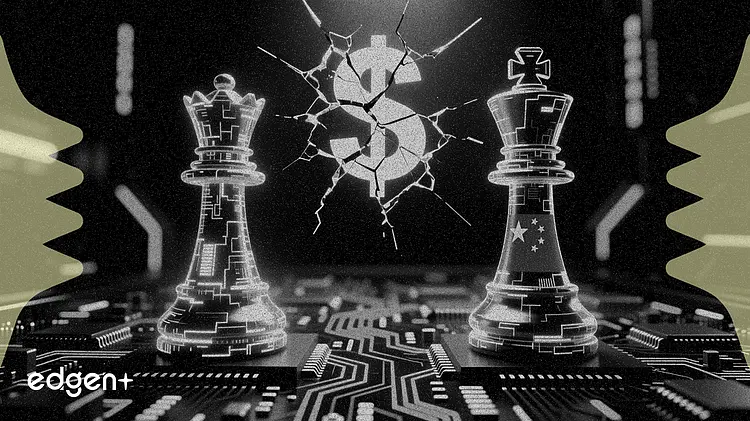
인공지능 거버넌스에 관한 새로운 미중 대화는 한 주요 AI 기업이 새로운 냉전이라고 부르는 심화되는 기술 경쟁을 가리고 있습니다.
미국과 중국은 인공지능 거버넌스에 대한 공식 대화를 시작했습니다. 이는 앤스로픽(Anthropic)과 같은 주요 미국 기업들이 이 경쟁을 민주주의의 생존이 걸린 제로섬 '냉전'으로 규정하고, 1조 달러 규모의 기업 가치가 걸린 상황에서도 위험을 관리하기 위한 조치입니다.
중국 외교부 대변인 궈자쿤은 5월 19일 브리핑에서 "양국 정상은 AI 관련 문제에 대해 건설적인 논의를 가졌으며 인공지능에 관한 정부 간 대화를 시작하기로 합의했다"고 밝히며, 스콧 베센트 미국 재무장관의 이전 발언을 확인했습니다.
이번 대화는 백악관이 중국 측의 '산업적 규모'의 기술 절도를 비난하고 베이징이 메타(Meta)의 주요 인수를 차단하는 등 긴장이 고조된 시기에 이루어졌습니다. 동시에 미국 AI 기업 앤스로픽은 악용을 방지하기 위해 강력한 '미토스(Mythos)' 모델의 공개를 보류하며 양국이 공유하는 사이버 보안에 대한 우려를 드러냈습니다.
앤스로픽 단독으로도 1조 달러의 기업 가치를 넘볼 수 있는 폭발적 성장이 예상되는 기술 분야의 리더십이 걸려 있습니다. 핵심 논쟁은 안전에 대한 협력, 특히 고급 모델이 비국가 행위자의 손에 들어가는 것을 방지하는 노력이 21세기 글로벌 경제를 정의할 수 있는 치열한 기술 패권 다툼과 공존할 수 있는지 여부입니다.
외교관들이 대화하는 동안 주요 AI 개발사들은 진영을 선택하고 있습니다. 월스트리트저널(WSJ)의 2026년 5월 20일 보도에 따르면, 오픈AI의 주요 경쟁자인 앤스로픽은 스스로를 21세기 반중 싱크탱크로 자리매김했습니다. 다리오 아모데이 CEO는 민주주의의 생존이 중국과의 AI 경쟁에서 미국이 승리하는 데 달려 있다고 명시적으로 주장해 왔습니다.
과거 냉전 시대의 지적 인프라를 연상시키는 행보로, 이 회사는 최근 이 새로운 AI 냉전을 어떻게 수행할지에 대한 5,500단어 분량의 선언문을 발표했습니다. 이러한 전략적 전환은 올해 말 1조 달러 규모의 IPO를 추진할 수 있는 이 회사에 대해 질문을 던지게 합니다. 이 회사는 비즈니스입니까, 아니면 국가 안보 자산입니까? 이와 유사한 역학이 마지막으로 나타났을 때, 랜드 연구소(RAND Corporation)가 더글러스 에어크래프트에서 분사되어 미국의 주요 냉전 싱크탱크가 되었고, 모기업은 상업 및 국방 사업에 집중할 수 있었습니다.
앤스로픽의 즉각적인 우려는 미토스와 같은 최신 모델이 중요한 소프트웨어 취약점을 찾아내는 놀라운 능력을 갖추고 있다는 점입니다. 이 회사와 미국의 다른 관계자들은 중국 국가 및 범죄 해커들이 유사한 기능을 개발하는 데 있어 기껏해야 1년 정도 뒤처져 있다고 믿고 있습니다.
사용자가 마음대로 수정하고 조정할 수 있는 '오픈 웨이트(open-weight)' AI 모델에 대한 베이징의 선호에 대해 점점 더 부정적인 시각이 늘고 있습니다. 서구의 경쟁 모델들과 달리 중국의 AI 구축업체들은 일반적으로 사용 현황을 모니터링하거나 반사회적 활동에 대해 '킬 스위치'를 행사할 수 있는 기능을 남겨두지 않습니다. 이는 베이징이 책임을 회피하면서 강력한 사이버 도구를 반서방 해커들의 손에 쥐어주려 한다는 우려를 워싱턴에서 불러일으키고 있습니다.
이 전략은 독점 시스템 개발에 수십억 달러를 투자한 앤스로픽이나 오픈AI와 같은 기업의 비즈니스 모델에도 직접적인 위협이 됩니다. 앤스로픽의 선언문은 두 가지 핵심 전장을 제시합니다. 중국의 최첨단 반도체 칩 접근을 제한하는 것과, 서구 모델을 불법적으로 사용하여 중국 버전을 훈련시켜 미국의 수십억 달러 투자를 가로채는 '증류(distillation)'를 방지하는 것입니다.
비국가 행위자로부터 모델을 보호하기 위한 '프로토콜' 수립에 초점을 맞춘 최근의 대화는 좁은 협력의 길을 보여줍니다. 이는 핵무기에 대한 통제권은 반드시 인간이 가져야 한다는 2024년 양국 정상 간의 합의를 연상시킵니다. 그러나 AI의 엄청난 경제적, 전략적 힘이 걸려 있는 상황에서 개방적인 협력 시스템과 폐쇄적인 경쟁 시스템 사이의 근본적인 갈등은 이제 시작일 뿐입니다.
이 기사는 정보 제공 목적으로만 작성되었으며 투자 조언을 구성하지 않습니다.
