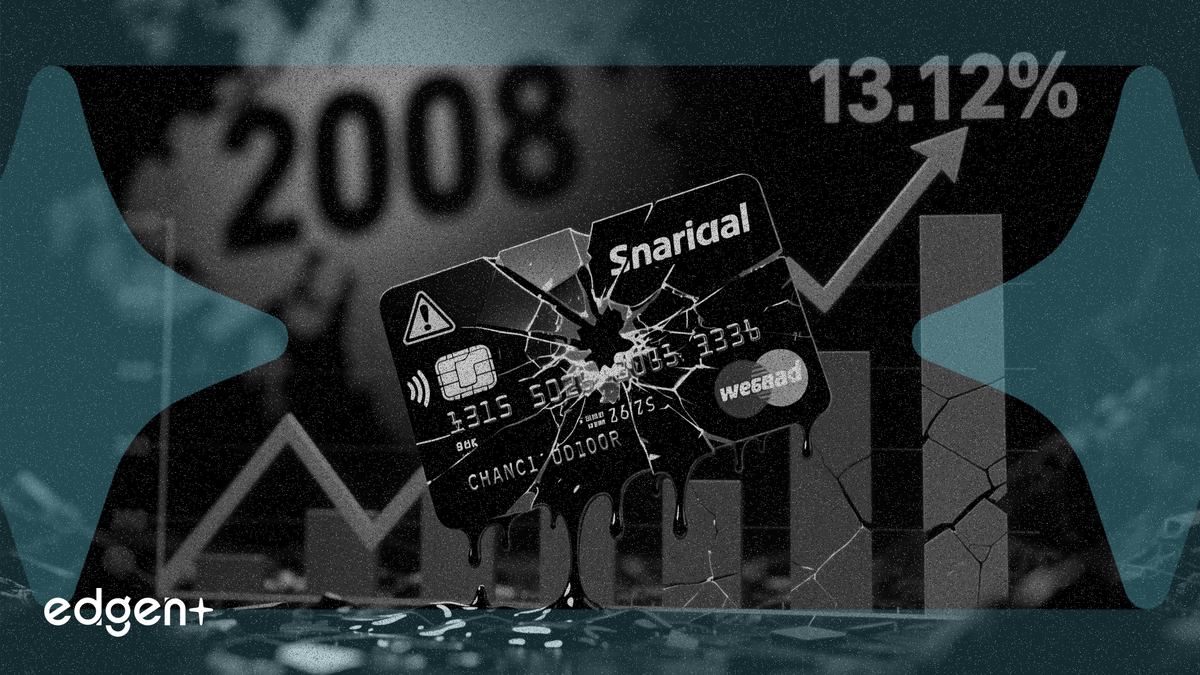
Amerikalılar, 2008 mali krizinin sonrasından bu yana görülmeyen bir oranda kredi kartı faturalarını ödeyemiyor.
En az 90 gün gecikmiş ABD kredi kartı bakiyelerinin oranı, yüksek faiz oranları ve kalıcı enflasyonun hane halkı bütçelerini sıkıştırmasıyla birlikte ilk çeyrekte %13,12'ye yükselerek 15 yılın en yüksek seviyesine ulaştı.
"Gıda, barınma ve sağlık hizmetleri daha pahalı hale geldiğinde, kredi kartınızı ödemek için daha az para kalıyor," dedi Urban Institute'ta ekonomist olan Breno Braga. "Daha fazla insan kararlarla karşı karşıya kalıyor — önce kredi kartlarını ödemeyi bırakma olasılıkları daha yüksek."
Toplam kredi kartı bakiyeleri ilk çeyrekte 1,25 trilyon dolara ulaşarak, New York Fed'in 1999'da izlemeye başlamasından bu yana en yüksek ilk çeyrek seviyesini kaydetti; bir yıl önce bu rakam 1,18 trilyon dolardı. Federal Rezerv'in kredi kartı ihraç eden bankalar anketine göre, kartlardaki ortalama faiz oranı Şubat ayında %21'e yükseldi; Şubat 2022'de bu oran %14,6 idi. İlk çeyrek rakamı, 2025'in dördüncü çeyreğinde ulaşılan 1,28 trilyon dolarlık zirveden 25 milyar dolarlık bir düşüşü temsil etse de, yıllık bazda bakiyeler hala %5,9 oranında büyüdü.
Tüketici kredi kalitesindeki bozulma, Federal Rezerv'in federal fon oranını son indirimden bu yana %4,5'in üzerinde tutan kısıtlayıcı politika duruşunun hane halkı bilançolarına yansıdığını gösteriyor. Tüketici harcamalarının ABD ekonomik çıktısının kabaca üçte ikisini oluşturmasıyla, artan temerrüt oranları politika yapıcıları piyasaların 2026'nın ikinci yarısı için fiyatladığı faiz indirimlerini hızlandırmaya zorlayabilir.
Temerrütler Gelir Dilimlerine Yayılıyor
Baskı yalnızca düşük gelirli borçlularla sınırlı değil. Urban Institute verileri, kredi kartı sahiplerinin %5,6'sının 2025'te ödemelerinde 60 gün veya daha fazla geride olduğunu ve pandemi öncesi seviyeleri aştığını gösteriyor. Düşük gelirli topluluk sakinleri, 60 günlük eşikte %8'lik bir temerrüt oranı bildirerek tüm gelir grupları arasında en yüksek seviyeyi kaydetti, ancak orta ve yüksek gelirli topluluklar da oranlarının 2018'den bu yana en yüksek seviyelerine yükseldiğini gördü.
National Foundation for Credit Counseling, Ocak 2026'da bir yıl öncesine kıyasla %24 daha fazla müşteri bildirirken, ortalama aylık müşteri hacmi 2018'e göre %60 daha yüksek seyrediyor. Grubun müşteri metriklerine dayalı olarak temerrüt riskini tahmin eden üç aylık mali stres tahmini, tahminin 2022'de başlatılmasından bu yana en yüksek okumalarını kaydetti.
Özel Kredi Stresi İkinci Bir Cephe Oluşturuyor
Tüketici kredisi baskı gösterirken, daha az düzenlenmiş özel kredi piyasası daha da keskin bir bozulmayla karşı karşıya. Fitch Ratings, Nisan 2026'da ABD özel kredi temerrüt oranının bir yıl önceki %5,8'den ve tarihsel ortalamanın 200 baz puan üzerinde olarak %6 ile rekor kırdığını bildirdi. Finansal İstikrar Kurulu (FSB) Mayıs ayında özel kredinin artık küresel finansal istikrar için sistemik riskler oluşturduğu uyarısında bulundu.
Farklılık dikkat çekici: Geleneksel banka tüketici kredisi temerrütleri 2026'nın ilk çeyreğinde %4,8'de kalırken, bu durum muhafazakar underwriting ve düzenleyici sermaye gerekliliklerini yansıtıyor. Daha az kısıtlamayla faaliyet gösteren özel kredi fonları, risklerini faiz şoklarına en duyarlı kaldıraçlı şirketlerde yoğunlaştırdı. New York Fed verilerine göre, tüketici kredi kalitesi en son 2009 yılında bu kadar keskin bir şekilde kötüleşmişti; o zaman 90 günlük temerrüt oranı mali krizin ardından kabaca %13 ile zirve yapmıştı.
Bu makale yalnızca bilgilendirme amaçlıdır ve yatırım tavsiyesi niteliği taşımamaktadır.