
ABD Donanması, aksi yöndeki haberlere rağmen Hürmüz Boğazı'nda ticari gemilere refakat etmiyor ve su yolunun durumu belirsizliğini koruyor.
ABD Donanması, aksi yöndeki haberlere rağmen Hürmüz Boğazı'nda ticari gemilere refakat etmiyor ve su yolunun durumu belirsizliğini koruyor.
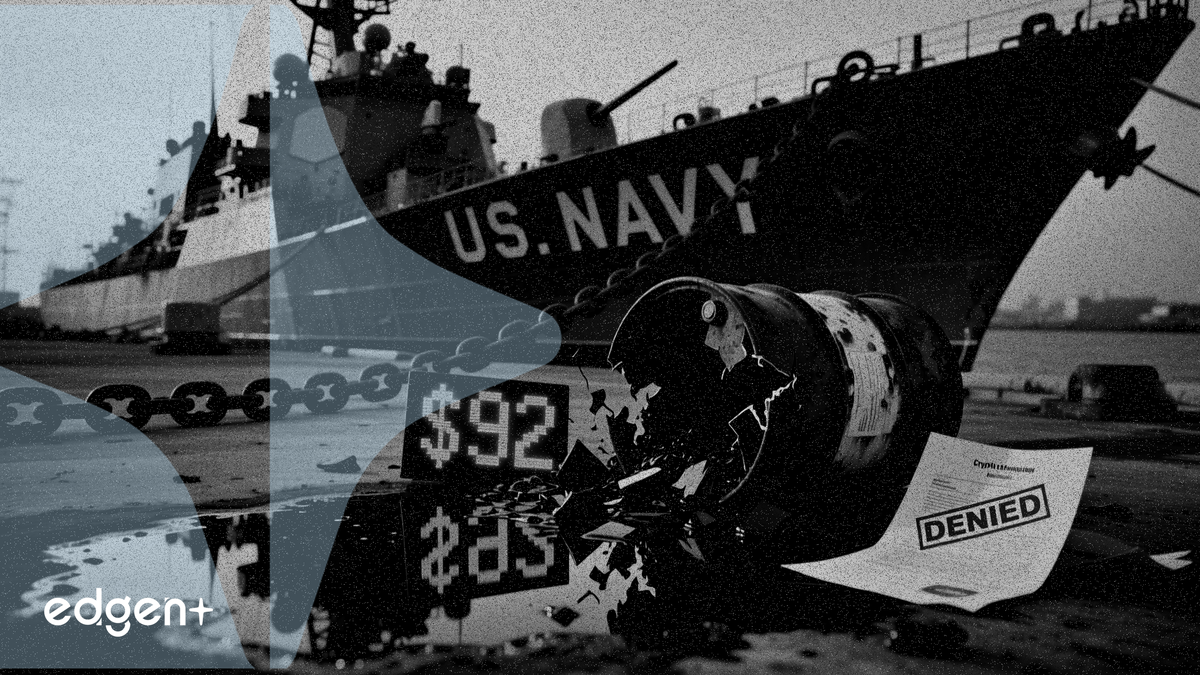
ABD ordusu, Hürmüz Boğazı'ndan ticari gemilere refakat hizmetine yeniden başladığını yalanlayarak, ham petrolün varil başına 92 dolar civarında istikrar kazanmasıyla su yolunun yeniden açıldığı yönündeki haberleri geri çevirdi.
"Özgürlük Planı Operasyonu yeniden etkinleştirilmemiştir ve ABD güçleri şu anda Hürmüz Boğazı'nda ticari gemilere refakat etmemektedir," diyen ABD Merkez Komutanlığı (CENTCOM), Pazartesi günü yaptığı açıklamada, Wall Street Journal'ın Donanma'nın yardımlı geçişleri yeniden başlattığı haberini yalanladı.
Bu yalanlama, Journal'ın Donanma'nın 2 milyon varil ham petrol taşıyan bir Yunan süper tankerine Umman kıyıları açıklarındaki su yolunda rehberlik ettiğini bildirmesinin ardından geldi. CENTCOM, önümüzdeki günlerde yaklaşık bir düzine gemiye yardım etmeyi planladığını ancak bunun önceki refakat programının yenilenmesi anlamına gelmediğini söyledi. MarineTraffic verilerine göre, Pazartesi günü İran Devrim Muhafızları tarafından oluşturulan ve Larak Adası çevresinde dönen "Larak Koridoru" üzerinden yalnızca iki geçiş doğrulandı.
Hürmüz Boğazı, küresel petrol ticaretinin yaklaşık %21'ini elinde bulunduruyor ve Şubat sonundan bu yana kısmen kapanması petrol fiyatlarını fırlattı ve küresel nakliye hatlarını bozdu. Yeniden açılması arz endişelerini hafifletebilir ancak normale dönmesi aylar alabilir. Freightos'ta araştırma başkanı Judah Levine, nakliyecilerin "bölgenin istikrarlı olduğuna ikna olana kadar normal Körfez liman çağrılarına dönmeye hevesli olmayabileceği" uyarısında bulundu.
Ham petrol vadeli işlemleri, hafta sonu olası bir ABD-İran anlaşması haberinin ardından Salı günü %4'ten fazla düşüşle varil başına yaklaşık 92 dolara geriledi, ancak CENTCOM'un yalanlaması 7 Nisan'dan bu yana yürürlükte olan ateşkesin kırılganlığını gösteriyor. ABD, Pazartesi günü güney İran'da, İran botlarının mayın döşeme girişimlerini ve füze rampalarını hedef alan savunma amaçlı saldırılar düzenledi. CENTCOM sözcüsü Donanma Kaptanı Tim Hawkins bu bilgiyi doğruladı.
Çatışmanın tetiklediği okyanus navlun oranı artışı şiddetlenmeye devam ediyor. Drewry'nin Dünya Konteyner Endeksi, Asya-Avrupa rotalarındaki çift haneli sıçramaların etkisiyle %6 artışla 40 metrelik konteyner başına 2.712 dolara yükseldi. Şanghay-Rotterdam navlun oranları %15 artışla 40 metrelik konteyner başına 2.773 dolara yükselirken, Şanghay-Cenova oranları %10 artışla 4.082 dolara çıktı.
Vizion'dan alınan konteyner nakliye verileri, 20 Mayıs'a kadar olan iki haftada Çin-Akdeniz kargo hacminin %48 artışla 82.372 TEU'ya yükseldiğini, Çin-Kuzey Avrupa hacimlerinin ise %37 artışla yaklaşık 140.000 TEU'ya ulaştığını gösterdi. Taşıyıcılar daha yüksek oranlarla yanıt veriyor: MSC, 1 Haziran'dan itibaren FAK seviyelerini 40 metrelik konteyner başına 4.700 dolara yükseltecek; CMA CGM, Asya-Kuzey Avrupa konteynerlerine TEU başına 500 dolar yoğun sezon ek ücreti eklerken, Maersk 300 dolarlık bir ücret ekledi.
MarineTraffic'te ticari risk analisti Ana Subasic, düşük geçiş sayısının yeni saldırıların olmamasının normalize edilmiş trafiğe dönüşmediğini gösterdiğini söyledi. "Gemi hareketi dar, rotaya bağlı ve büyük ölçüde İran izin uygulamaları tarafından koşullandırılmış durumda," diyen Subasic, "Ateşkes sürse bile, net bir anlaşma olana kadar Hürmüz'e erişimin seçici kalması muhtemel," ifadelerini kullandı.
Hürmüz Boğazı'nın en son ciddi bir kesintiye uğraması, 1980'lerdeki İran-Irak savaşı sırasında, Tanker Savaşı'nın ABD donanma refakat operasyonlarına ve altı ayda petrol fiyatlarında %50'lik bir sıçramaya yol açtığı dönemdi. Mevcut durum bu boyuta ulaşmamış olsa da, ABD saldırıları, İran geçiş ücreti duyuruları ve Tahran'dan gelen karışık mesajlar, petrol ve nakliye piyasalarına gömülü risk primini canlı tutuyor.
Dışişleri Bakanı Marco Rubio, Salı günü boğazın "öyle ya da böyle" kısıtlanmamış navigasyona açılması gerektiğini söylerken, İran Dışişleri Bakanlığı "geçiş ücreti toplamaya çalışmadığını" ancak navigasyon hizmetleri için ücret talep edeceğini belirtti. Başkan Trump, müzakerelerin "güzel bir şekilde ilerlediğini" söyledi ve olası bir anlaşmayı "herkes için Harika bir Anlaşma" olarak nitelendirdi.
Bu makale yalnızca bilgilendirme amaçlıdır ve yatırım tavsiyesi niteliği taşımamaktadır.
