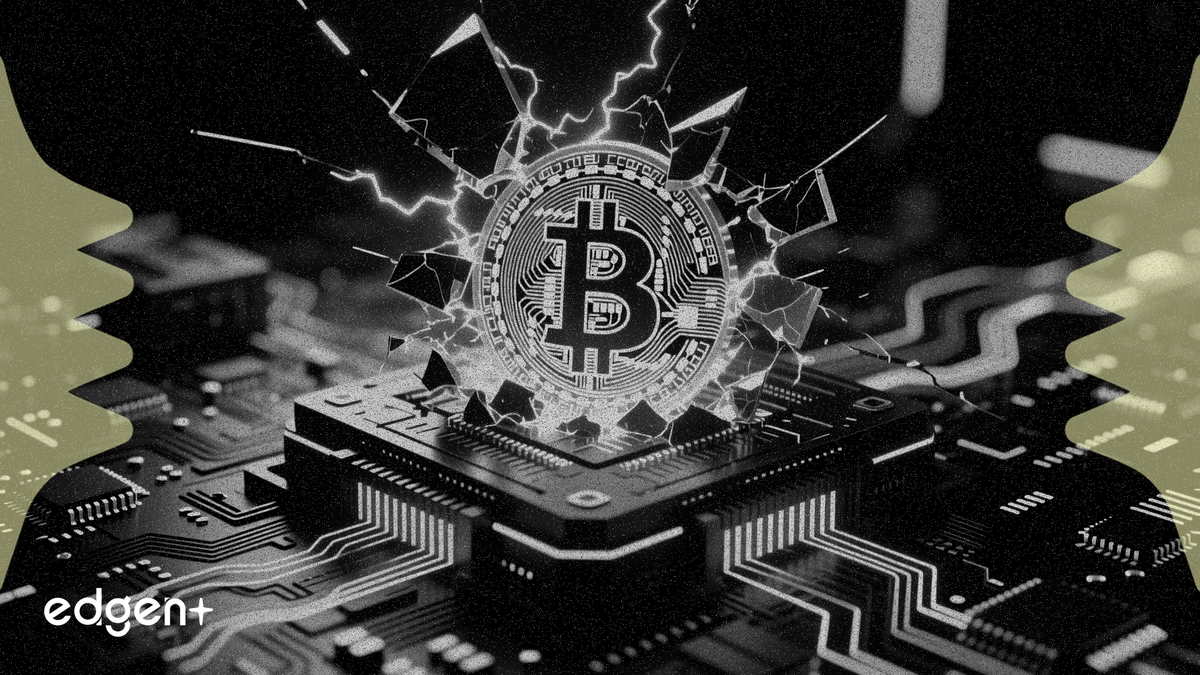
ABD Ticaret Bakanlığı, kuantum bilişim girişimlerine ve çip dökümhanelerine 2 milyar dolar yatırım yapıyor; bu hamle, Bitcoin'in şifrelemesini tehdit edebilecek sistemlerin geliştirilme sürecini hızlandırıyor. 21 Mayıs'ta duyurulan finansman, 2022 Çip ve Bilim Yasası'nın bir parçasıdır.
Ticaret Bakanı Howard Lutnick yaptığı açıklamada, "Trump yönetimi dünyayı Amerikan inovasyonunun yeni bir çağına taşıyor" dedi. Hükümet, fon alan şirketlerde azınlık hissesi alacak; bu strateji, vergi mükellefleri tarafından finanse edilen araştırmaların getirisinden pay almayı amaçlıyor.
Bakanlık, Albany, NY'da yeni bir kuantum çip dökümhanesi kuran bağımsız bir şirket olan Anderon'un başlatılmasına yardımcı olmak için IBM'e 1 milyar dolar verecek. Çip üreticisi GlobalFoundries'in 375 milyon dolar alması planlanıyor. D-Wave Quantum, Rigetti Computing ve Infleqtion dahil olmak üzere diğer halka açık şirketlerin her birinin 100 milyon dolar alması beklenirken, Avustralya merkezli PsiQuantum ve girişim şirketi Diraq da ödül alacak dokuz firma arasında yer alıyor.
Bu yatırım, kripto para dünyası için "Q-Day" (Q-Günü) senaryosunu daha belirgin hale getiriyor. Endişe, yeterince güçlü bir kuantum bilgisayarın bir gün Bitcoin cüzdanlarını güvence altına alan SHA-256 şifrelemesini kırarak bir saldırganın işlemleri taklit etmesine ve fonları çalmasına olanak tanımasıdır. Bu haber, Bitcoin geliştirme topluluğunu kuantum dirençli algoritmalar üzerine araştırmaları ilerletme konusunda baskı altına alıyor.
## Kuantum Hisseleri Sıçrarken Piyasa Tepki Veriyor
Finansman haberi, ilgili şirketlerin hisselerini piyasa öncesi işlemlerde yükseltti. IBM yüzde 6 artarken, daha küçük uzmanlaşmış firmalar daha dramatik hareketler gördü. D-Wave Quantum yüzde 19 fırladı, Rigetti Computing yüzde 15 yükseldi ve IonQ yüzde 9 değer kazandı.
Cohen Capital Markets Genel Müdürü Brandon Sun, "Kuantum bilişim hala önemli teknolojik ve ticarileşme riskleri taşısa da, hükümetin ortak yatırımı kurumsal yatırımcılara bu şirketleri daha ciddi bir şekilde değerlendirmeleri için daha fazla güven verebilir" dedi.
## Bitcoin İçin 'Q-Day' Tehdidi
Tehdidin merkezinde, büyük sayıların asal çarpanlarını verimli bir şekilde bulabilen bir kuantum algoritması olan Shor algoritması yer alıyor. Bu yetenek, güçlü bir kuantum bilgisayarda hayata geçirilirse, sadece Bitcoin'in değil, modern dijital ekonominin büyük bir kısmının temelini oluşturan kriptografik güvenliği sarsacaktır.
Uzmanlar Bitcoin'in şifrelemesini kırabilecek bir kuantum bilgisayarın hala yıllar veya on yıllar uzakta olduğuna inansa da, bu 2 milyar dolarlık federal yatırım bu süreyi önemli ölçüde kısaltabilir. Potansiyel etki, tüm iş kanıtı (proof-of-work) kripto paralarının güvenliği için uzun vadeli belirsizlik yaratıyor. Ayrıca, dijital varlıkları gelecekteki bir kuantum saldırısına karşı korumak için kuantum dirençli kriptografi geliştirme ve uygulama odaklı projelerin stratejik önemini vurguluyor.
Bu makale sadece bilgilendirme amaçlıdır ve yatırım tavsiyesi teşkil etmez.