
The US and Iran are expected to sign a memorandum of understanding that guarantees toll-free passage through the Strait of Hormuz, removing a key risk premium from crude oil markets.
The US and Iran are expected to sign a memorandum of understanding that guarantees toll-free passage through the Strait of Hormuz, removing a key risk premium from crude oil markets.
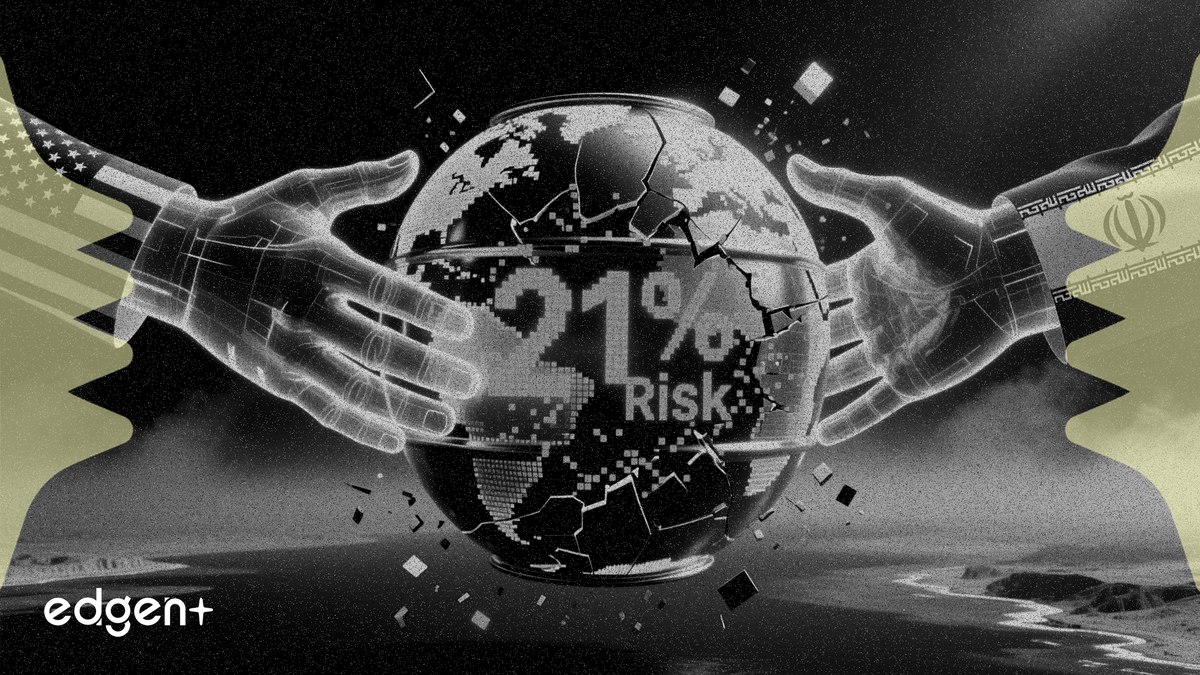
The US and Iran are expected to sign a memorandum of understanding that guarantees toll-free passage through the Strait of Hormuz, removing a key risk premium from crude oil markets.
US Vice President JD Vance said a US-Iran memorandum of understanding will keep the Strait of Hormuz open and toll-free for the long term, removing a key geopolitical risk premium embedded in crude prices.
"The Strait of Hormuz will be open and free of tolls for the long term," Vance said on June 15, according to Xinhua. The comments follow weeks of mixed messaging from Washington and Tehran on the trajectory of the conflict.
The waterway handles about 21% of global seaborne oil trade, or roughly 17 million barrels per day, making it the world's most critical energy chokepoint. Any disruption to shipping through the 21-mile-wide strait between Oman and Iran has historically triggered sharp spikes in crude prices. The last major closure threat — during the 2019 tanker attacks near Fujairah — pushed Brent crude above $75 a barrel within days and widened the Brent-WTI spread to more than $7.
By guaranteeing unobstructed passage, the MOU removes the single largest supply-side tail risk for oil markets. That is bearish for crude prices in the near term, as traders unwind hedges tied to a potential blockade. For consuming nations and import-dependent economies, the agreement reduces a persistent source of energy cost uncertainty.
The deal follows weeks of mixed messaging from both Washington and Tehran. US President Donald Trump had previously mentioned that the two countries could sign a comprehensive MOU as early as this week, though no official terms have been released. Journalists from RFE/RL's Central Newsroom and Radio Farda have been covering the conflict as it continues to shape the region.
Oil Prices and the Risk Premium
Brent crude has traded with a persistent geopolitical premium since tensions escalated between the US and its ally Israel against Iran. The removal of the Strait of Hormuz threat could unwind a significant portion of that premium. Market analysts have estimated the Hormuz risk premium at $3 to $8 per barrel depending on the severity of the perceived threat, based on previous market analysis of chokepoint disruptions.
The agreement also has implications for tanker rates and war risk insurance premiums for vessels transiting the Persian Gulf. Those costs had risen sharply during periods of heightened tensions, adding to the delivered cost of crude for Asian buyers who rely most heavily on Gulf supplies. Japan, South Korea, India, and China together account for more than 60% of crude shipments through the strait.
Historical Context
The last time the Strait of Hormuz faced a credible closure threat was in 2019, when attacks on tankers off the UAE coast sent Brent briefly above $75 and pushed the Brent-WTI spread to its widest in months. A formal guarantee of open passage would mark a significant departure from that period of heightened risk.
Forward Outlook
The MOU is expected to be signed on Friday, though no official terms have been released. If implemented, the agreement would represent the most significant de-escalation between Washington and Tehran since the 2015 Joint Comprehensive Plan of Action. For oil markets, the key question is whether the removal of the Hormuz risk premium is fully priced in or whether further downside remains.
This article is for informational purposes only and does not constitute investment advice.
