
Kamuoyundaki iyimserlik ile özel uyarılar arasındaki uçurum ABD-İran görüşmelerini tanımlarken, reddedilen barış anlaşması her iki tarafın da küresel petrol damarını tehdit eden bir çatışmayı sona erdirmekten hala uzak olduğunu gösteriyor.
Kamuoyundaki iyimserlik ile özel uyarılar arasındaki uçurum ABD-İran görüşmelerini tanımlarken, reddedilen barış anlaşması her iki tarafın da küresel petrol damarını tehdit eden bir çatışmayı sona erdirmekten hala uzak olduğunu gösteriyor.
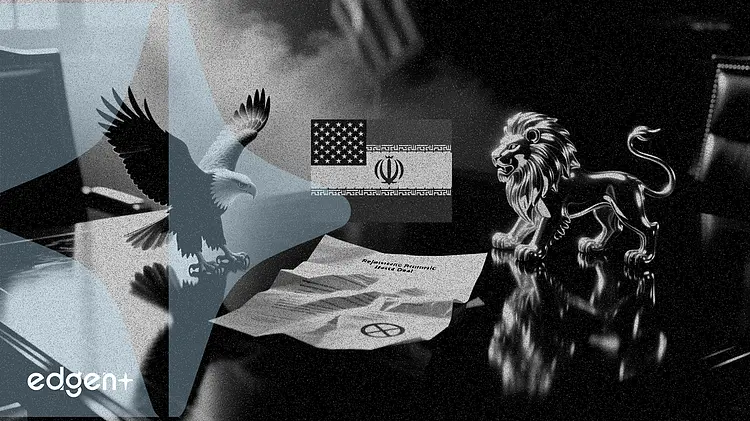
Kamuoyundaki iyimserlik ile özel uyarılar arasındaki uçurum ABD-İran görüşmelerini tanımlarken, reddedilen barış anlaşması her iki tarafın da küresel petrol damarını tehdit eden bir çatışmayı sona erdirmekten hala uzak olduğunu gösteriyor.
(Washington) - ABD Başkan Yardımcısı J.D. Vance, Salı günü düzenlenen bir basın toplantısında ABD ile İran arasındaki doğrudan müzakerelerin “büyük ilerleme” kaydettiğini söyleyerek, reddedilen barış teklifi ve yenilenen askeri harekat uyarıları hakkındaki raporlarla tezat oluşturan oldukça iyimser bir ton sergiledi. Vance iletişim kanallarının kurulmasından övgüyle bahsederken, gösterge Brent ham petrolü Hürmüz Boğazı'ndaki kalıcı riskler nedeniyle hafif yükseldi.
Bu olumlu yorumlar, müzakerelerin gerçek durumunu “çok ciddi bir yer” olarak nitelendiren üst düzey bir ABD'li yetkili tarafından derhal gölgelendi. Yetkili Pazartesi günü Axios'a verdiği demeçte, ABD'nin Tahran'ın son teklifini reddettiğini doğrulayarak, "İranlıların biraz nezaket gösterme zamanı geldi... Eğer bu gerçekleşmezse, bombalar aracılığıyla konuşacağız ki bu yazık olur" dedi.
Pakistanlı aracılar vasıtasıyla iletilen reddedilen teklifin, önceki versiyona göre sadece "göstermelik iyileştirmeler" içerdiği bildirildi. İran devlet medyasının haberine göre Tahran, ABD kuvvetlerinin bölgeden tamamen çekilmesini, savaş hasarı için tazminat ödenmesini, tüm yaptırımların kaldırılmasını ve dünya petrol arzının yaklaşık beşte birinin geçtiği Hürmüz Boğazı'ndaki ABD ablukasının sona ermesini talep ediyor.
Diplomatik sürtüşme, Başkan Donald Trump'ı yükselen enerji fiyatlarından kaynaklanan iç baskı ile herhangi bir anlaşmanın nükleer tavizler içermesi gerektiği konusundaki sert duruşu arasında denge kurarak kritik bir kararla karşı karşıya bırakıyor. Körfez liderlerinin talebi üzerine duraklamadan önce İran'ı vurmaya "bir saat uzaklıkta" olduğunu söyleyen Trump, "tam ölçekli, büyük bir saldırı" düşünmeden önce müzakerelere sadece birkaç gün daha vereceği konusunda uyardı.
Başkan Yardımcısı Vance'in olumlu çerçevelemesi ile diğer yetkililer tarafından tarif edilen sert gerçekler arasındaki uçurum, ateşkesin hassas doğasını vurguluyor. Bir yandan Trump, Katar, Suudi Arabistan ve BAE liderleriyle yaptığı görüşmelerin ardından "ciddi müzakerelerin şu anda gerçekleştiğini" kabul etti. Diğer yandan Pentagon'un Beyaz Saray'ı, İran'ın hava savunma yeteneklerinin önemli ölçüde yükseltildiği ve herhangi bir ABD askeri harekatının potansiyel maliyetini artırdığı konusunda uyardığı bildirildi.
İran ise ABD'nin sert retoriğine aynı şekilde karşılık verdi. Çatışmayı başlatan ABD-İsrail ortak insansız hava aracı saldırısında Dini Lider Ali Hamaney'in öldürülmesinin ardından İran parlamentosu, Trump'ın başına 43 milyon sterlin ödül koyan bir tasarıyı değerlendiriyor. Müzakereler hakkında bilgi sahibi bir İranlı yetkili, "Amerikan aşırı taleplerini ve gerçekçilikten uzaklığını" temel engel olarak göstererek, İran'ın "nükleer taahhütler karşılığında savaşı bitirmeyi asla kabul etmeyeceğini" yineledi.
1980'lerdeki "Tanker Savaşı" sırasında Hürmüz Boğazı'nda yaşanan son büyük aksama, küresel petrol fiyatlarında önemli bir artışa neden olmuş ve geçiş güvenliğini sağlamak için çok uluslu bir deniz varlığını gerektirmişti. Boğazı bugün kapatacak herhangi bir yenilenen çatışma, son enflasyon şoklarından yeni kurtulmaya başlayan küresel ekonomi üzerinde çok daha dramatik bir etkiye sahip olacaktır. Bir anlaşma hala ortaya çıkabilse de tarafların kamuoyuna açıkladığı talepler arasındaki mesafe ve askeri gerilim tehdidi, piyasa oynaklığının devam edeceğini gösteriyor.
Bu makale sadece bilgilendirme amaçlıdır ve yatırım tavsiyesi teşkil etmez.
