
Key Takeaways: Washington says it can sustain its naval blockade of Iran indefinitely, while Tehran threatens escalation and Houthi drones hit a Saudi Aramco refinery.
Key Takeaways: Washington says it can sustain its naval blockade of Iran indefinitely, while Tehran threatens escalation and Houthi drones hit a Saudi Aramco refinery.
Washington says it can sustain its naval blockade of Iran indefinitely, while Tehran threatens escalation and Houthi drones hit a Saudi Aramco refinery.
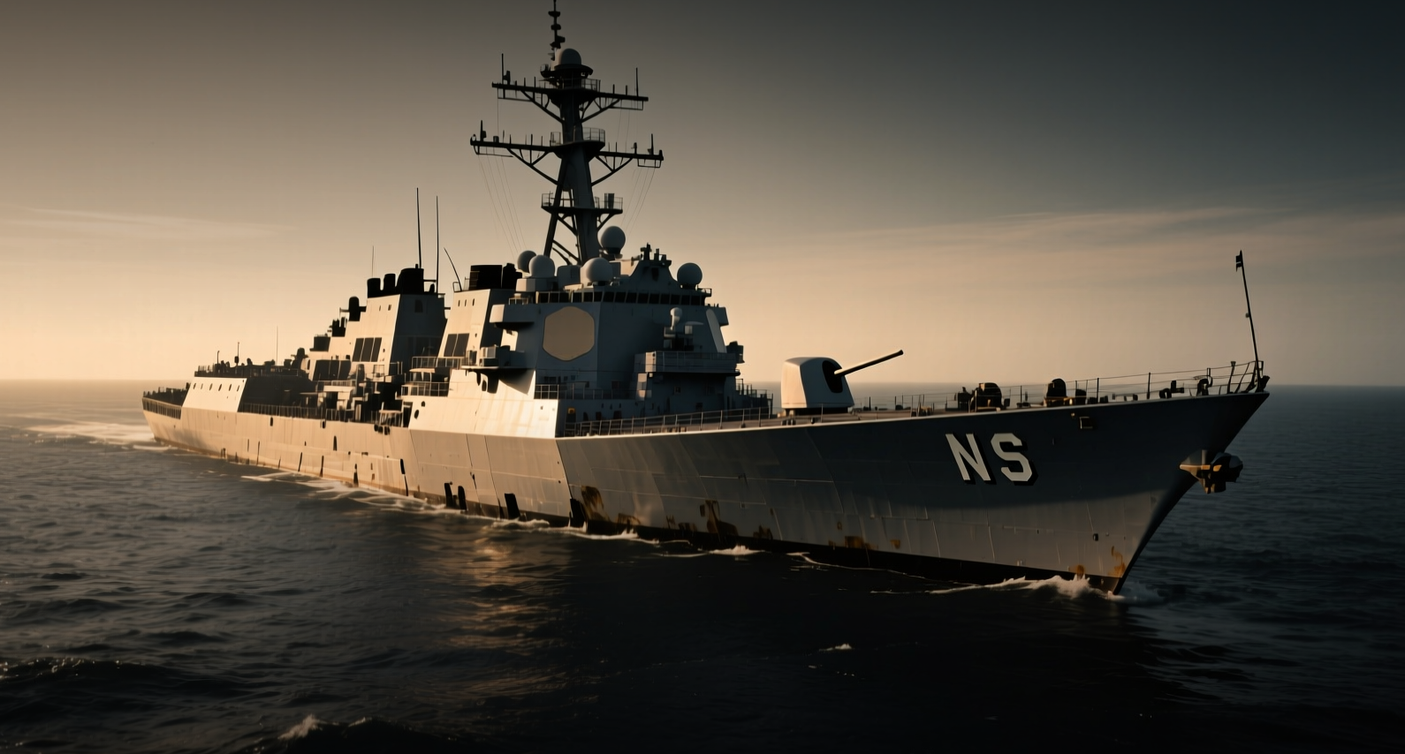
The U.S. military can sustain its naval blockade of Iranian ports indefinitely by rotating ships through the region, Defense Secretary Pete Hegseth said Thursday, as talks to end the war remain stalled.
"Indefinitely the United States Navy can maintain a blockade like that because we'll rotate ships in and out, as we have, and we'll continue to," Hegseth told reporters in Panama after addressing the crew of the guided-missile destroyer USS Gridley.
Since the blockade began, U.S. forces have redirected 59 commercial vessels attempting to run it, disabled three and boarded two, according to U.S. Central Command. Washington has poured more than 20 warships and tens of thousands of troops into the region since the war began with U.S.-Israeli strikes on Iran on Feb. 28. Tehran's closure of the Strait of Hormuz, through which roughly a fifth of the world's oil and liquefied natural gas previously flowed, has kept crude supply risk elevated.
Trump is under pressure to end a war that is deeply unpopular at home ahead of November midterm elections, with high fuel prices a top issue in rural areas that backed him in 2024. The standoff carries systemic risk for global oil markets: U.S. Energy Secretary Chris Wright said the seven-day average for oil leaving Hormuz had recovered to nearly 9 million barrels per day, but any escalation could reverse that.
The Pentagon's pledge comes as the aircraft carrier USS Abraham Lincoln, deployed to the Middle East since January, has spent more than 250 days at sea without a port call, with reports of sailor suicide attempts and deteriorating conditions drawing scrutiny from lawmakers. The U.S. is preparing to send the USS George Washington to replace the Lincoln, according to the Wall Street Journal.
In Tehran, Mohammad Mokhber, an adviser to Supreme Leader Mojtaba Khamenei, said the supreme leader has made a strategic decision to escalate the conflict if Iran's conditions are not met. Mokhber proposed a "Hormuz Economic Security Mechanism" to replace reliance on U.S. military guarantees, while Iran's Khatam al-Anbiya Central Headquarters said no commercial ship could pass through the waterway without Tehran's permission.
The economic toll on Iran is mounting. OPEC data show Iranian crude production at 2.478 million barrels per day in July, roughly a quarter below pre-war levels, while deliveries to Chinese refineries fell from more than 1.7 million barrels per day in March and April to under 500,000 barrels per day in July, according to commodity intelligence firm Kpler. Iran offered its crude at a discount of more than $5 a barrel in July, with transportation costs exceeding $10 a barrel.
Yemen's Houthi forces said Thursday they struck a Saudi Aramco refinery in the southwestern Jizan region with two drones, the second such attack in a week. The strikes widen the conflict beyond Hormuz, with the Houthis also attacking vessels in the Bab el-Mandeb strait, where six people were killed in an attack on a Tanzania-flagged cargo ship this week.
The last time the U.S. faced a prolonged naval confrontation in the Gulf was during the 1987-88 "tanker war," when the U.S. Navy escorted reflagged Kuwaiti tankers through the Strait of Hormuz. That episode ended with the Iran-Iraq ceasefire, but the current standoff shows no sign of a similar resolution, with both sides showing readiness for a prolonged confrontation.
This article is for informational purposes only and does not constitute investment advice.
