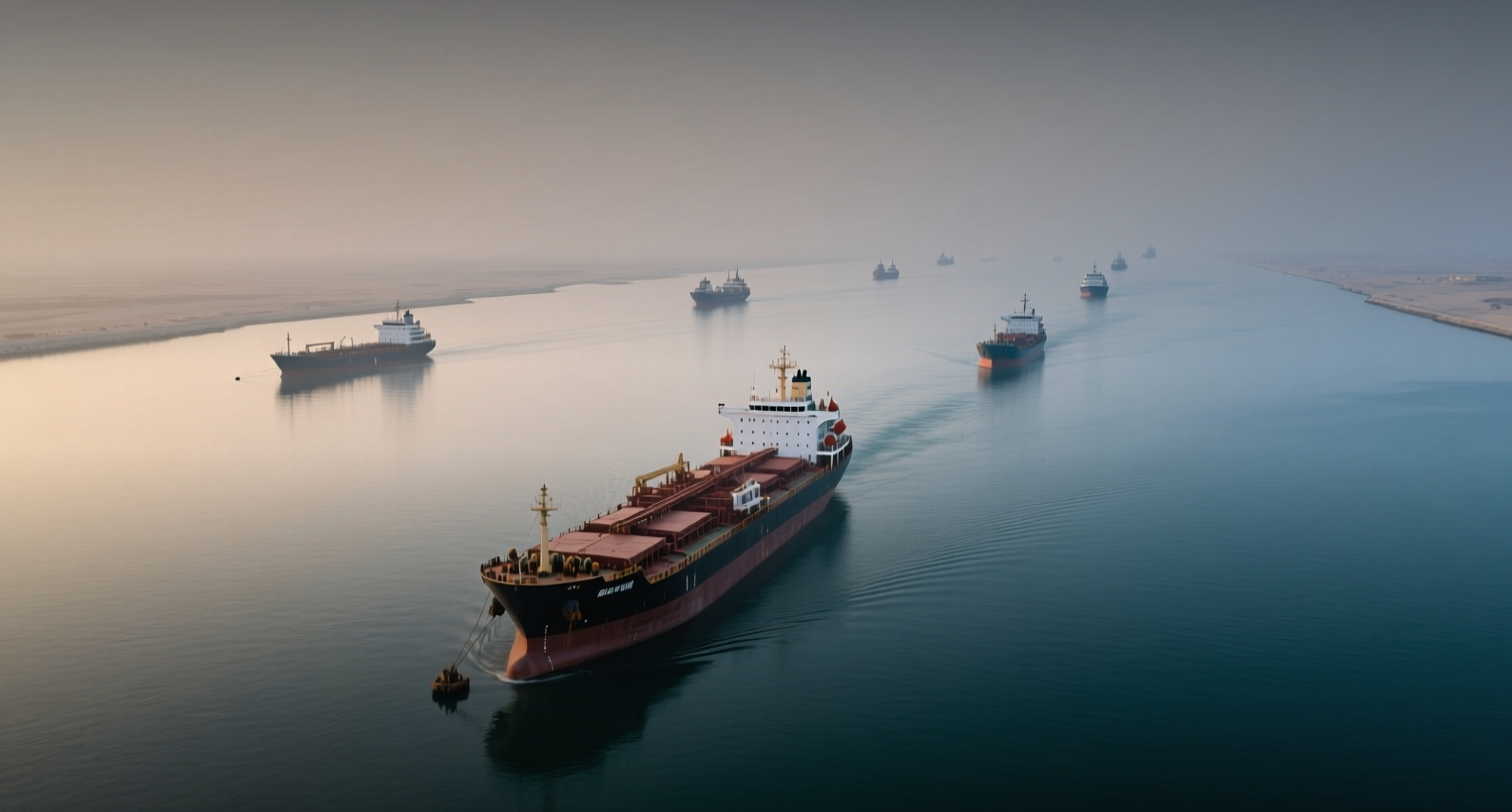
US strikes on Iranian rocket launchers in the Strait of Hormuz and attacks on two oil tankers revived crude supply fears, pushing Brent crude above $92 a barrel and sending investors into safe havens.
"The calibrated nature of the initial actions suggests neither side is actively seeking a return to sustained conflict, but stalled talks and the strategic importance of keeping the Strait open leave the situation vulnerable to further escalation," said Rodrigo Catril, a strategist at National Australia Bank.
Brent rose about 2% to trade above $92 a barrel Tuesday, extending Monday's 3.8% jump, while US crude traded near $88. The S&P 500 fell 0.3% Monday and the Dow Jones Industrial Average dropped 374 points, or 0.7%, as the 10-year Treasury yield climbed to 4.75%.
The Strait of Hormuz handles about 21% of global oil trade, and daily transits remain below half the pre-war norm. With President Trump weighing further strikes and Iran vowing retaliation, the risk premium embedded in crude could widen further if shipping lanes close.
Tanker attacks test the southern corridor
US Central Command said Sunday it struck two Iranian rocket launchers and sea drones on Larak Island, just off Iran's coast in the strait, after forces were observed preparing to deploy mines. Iran's state media said two people were killed. Tehran retaliated with missiles at Jordan, eight of which were intercepted, and a drone at the United Arab Emirates.
Monday night, two crude tankers were struck by projectiles within minutes of each other east of Khasab, Oman, according to the UK Royal Navy's Maritime Trade Operations center and Greece-based maritime risk firm Marisks. The South Korean-owned Senegal Prosperity was hit by three projectiles, and the Saudi-flagged Sidr was attacked eight minutes earlier, suggesting a coordinated series of strikes. The incidents undermine the Trump administration's insistence that the southern shipping lanes are open and safe, with vessels still requiring military cover to use the route.
Safe-haven flows and the inflation overhang
The escalation has rekindled inflation concerns that pressured central banks to keep rates higher, jolting equity markets. The 10-year Treasury yield rose to 4.75%, around the level seen two weeks ago when the administration announced it would intervene in the bond market. Gold has drawn safe-haven bids as crude's climb feeds through to gasoline prices, with the US average at $4.08 a gallon ahead of President Trump's meeting with oil refiners Tuesday.
Brent remains well below its April peak, when the war's early phase pushed the benchmark above $100 a barrel, but it has climbed more than 30% from pre-war levels and rebounded from below $80 in early August. Treasury Secretary Scott Bessent said the administration's "economic warfare" campaign aims to force Iran to the negotiating table, while Iran's President Masoud Pezeshkian offered to return to the June memorandum of understanding if the US does the same.
The standoff leaves crude exposed to a binary outcome: a return to the June truce would likely unwind the risk premium, while further strikes on Iran's Kharg Island export terminal, which Trump threatened in an AI-generated video, could push Brent back toward $100. Qatar, a key mediator, warned that the escalation "will not benefit anyone" and urged a return to talks, while Russia's Vladimir Putin pledged continued support to Tehran at the Shanghai Cooperation Organization summit.
This article is for informational purposes only and does not constitute investment advice.