El alza de las tasas de interés y la aceleración de la inflación están afectando a los hogares estadounidenses, incluso mientras los datos de crecimiento general se mantienen resilientes.
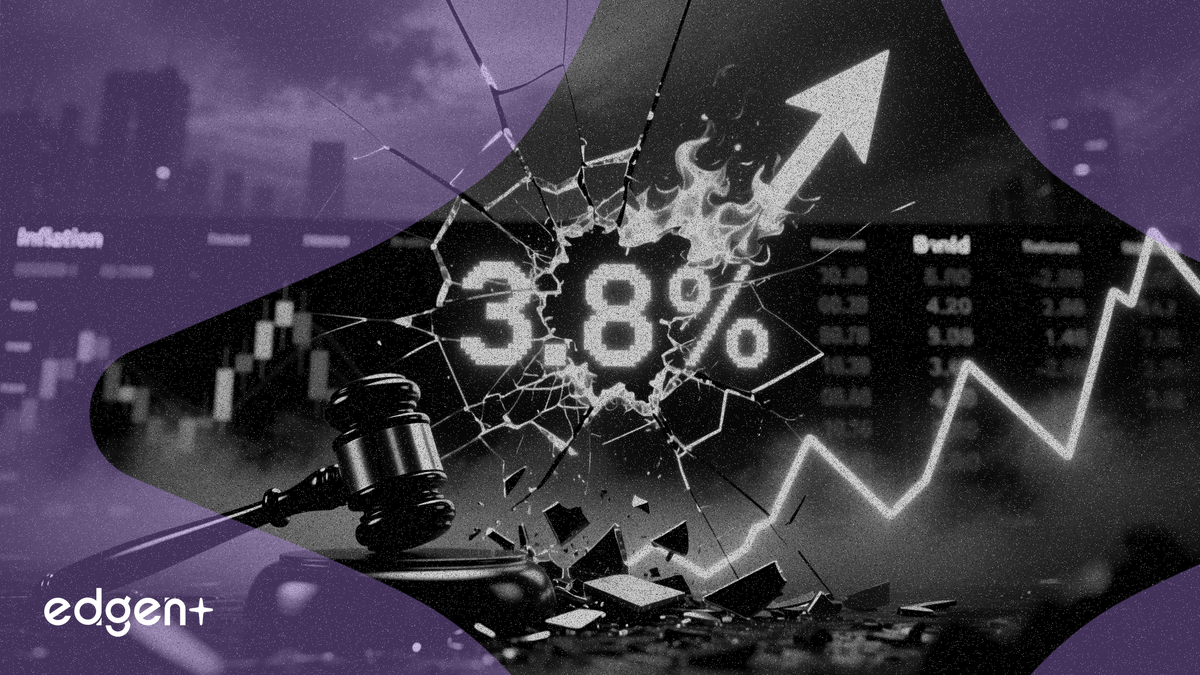
Las tasas de interés en EE.UU. se dispararon esta semana más allá del rango de negociación de posguerra, después de que los datos de inflación de la semana pasada mostraran una tasa anual que se acelera al 3,8%, la más alta desde finales de 2023, mientras el crecimiento económico se mantuvo a un ritmo anualizado del 2% en el primer trimestre.
"El mercado de bonos finalmente está incorporando en sus precios lo que los consumidores han sentido durante meses: que la inflación no es transitoria y que la Fed tiene margen limitado para recortar", afirmó James Okafor, analista macro de Edgen.
El rendimiento del bono del Tesoro a 10 años superó el estrecho rango que se mantenía desde el inicio del conflicto con Irán a finales de febrero, mientras que las tasas hipotecarias subieron en paralelo. La inflación subyacente se situó en el 3,2% en marzo, una lectura que, según estimaciones de la Reserva Federal de Dallas, habría sido de apenas el 2,3% de no haber sido por el régimen arancelario impuesto desde el Día de la Liberación. La confianza del consumidor cayó a un mínimo histórico este mes, superando los mínimos de la crisis financiera de 2008 y la pandemia de Covid-19.
La divergencia entre un crecimiento general resiliente y el deterioro de las finanzas de los hogares es la tensión central para los mercados de cara a la segunda mitad de 2026. Si la inflación continúa acelerándose —particularmente con el cierre del Estrecho de Ormuz añadiendo entre 0,35 y 1,47 puntos porcentuales al IPC general, según la duración— la capacidad de la Fed para flexibilizar la política monetaria desaparecerá, manteniendo elevados los costos de endeudamiento para unos consumidores que ya están al límite.
Los datos cuentan la historia de dos economías. El PIB se expandió a una tasa anualizada del 2% en el primer trimestre y del 2,1% para todo 2025, superando con creces a la mayoría de las demás economías avanzadas. La tasa de desempleo se sitúa en el 4,3%, baja según los estándares históricos. Los salarios crecieron más rápido que la inflación durante todo 2025.
Pero bajo esos agregados, la presión se está acumulando. Los salarios reales se volvieron negativos en abril, cuando la tasa de inflación anual alcanzó el 3,8%. La tasa de ahorro personal cayó a su nivel más bajo en más de tres años. Las solicitudes de quiebra han aumentado durante tres años consecutivos. Las tasas de morosidad están subiendo en todas las categorías de crédito al consumo.
La Recuperación en Forma de K se Amplía
Los datos de Bank of America muestran que el crecimiento salarial después de impuestos para los hogares que ganan más de 130.000 dólares anuales es del 6%, frente al 1,5% para aquellos con ingresos inferiores a 70.000 dólares y el 2,3% para el grupo medio entre 70.000 y 130.000 dólares. La brecha en el crecimiento del gasto es la más amplia en tres años.
Esta divergencia refleja el efecto compuesto de más de cinco años de alta inflación. Los bienes y servicios cotidianos han subido aproximadamente un 25% desde 2021 —más del doble del ritmo de un período prepandémico comparable. Los hogares de menores ingresos, que gastan una mayor parte de sus ganancias en necesidades básicas como alimentos y gasolina, se ven desproporcionadamente afectados.
Los compradores de mayores ingresos han respondido sustituyendo marcas premium por alternativas más baratas, lo que ha incrementado la demanda de bienes de menor costo y ha dejado a los consumidores más sensibles al precio sin margen para seguir reduciendo su gasto, según David Ortega, profesor de economía alimentaria de la Universidad Estatal de Míchigan.
Lo Que Viene Después
La trayectoria ahora depende de dos variables: la duración del cierre del Estrecho de Ormuz y la evolución de la política arancelaria. Los economistas de la Reserva Federal estiman que un cierre de tres meses añade 0,35 puntos porcentuales a la inflación general; un cierre de nueve meses añade 1,47 puntos. Con el conflicto ya en su tercer mes, esos impactos están comenzando a manifestarse.
La última vez que EE.UU. enfrentó una perturbación energética comparable combinada con aumentos de precios de importación impulsados por aranceles fue en la década de 1970. La combinación actual de políticas —guerra comercial, restricciones migratorias que reducen la oferta laboral y un conflicto cerca del punto de estrangulamiento energético más importante del mundo— ha creado una dinámica inflacionaria que la postura actual de tipos de la Fed podría ser insuficiente para contener.
Para los hogares estadounidenses, la cuestión es si la resiliencia general de la economía puede persistir el tiempo suficiente para que la inflación remita, o si la divergencia entre los datos macroeconómicos y la experiencia vivida se resuelve mediante una recesión. El mercado de bonos, al romper al alza, está haciendo su apuesta.
Este artículo es solo con fines informativos y no constituye asesoramiento de inversión.