
Key Takeaways:
- USD/CAD broke above 1.40 for the first time since 2020 as the dollar rallied
- US CPI accelerated to 4.2% in May, the fastest pace in more than three years
- Middle East tensions pushed Brent crude to $94.64, fueling safe-haven demand
Key Takeaways:
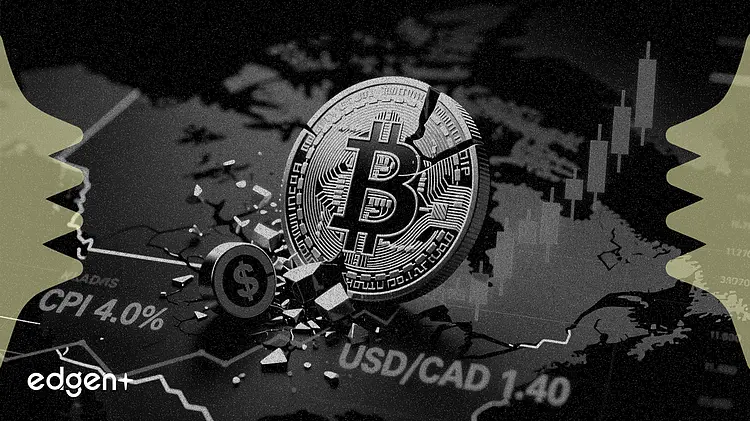
The USD/CAD pair breached the 1.40 handle for the first time today, extending the dollar's rally as inflation risks and geopolitical tensions fueled risk aversion.
"The move reflects a broad-based dollar bid driven by sticky inflation and safe-haven flows as Middle East hostilities escalate," said Aamir Makda, commodity and currency analyst at Choice Broking.
The greenback strengthened across the board, with the dollar index holding near 99.95. The catalyst came from multiple fronts: US consumer inflation accelerated to 4.2% in the 12 months through May, the fastest pace in more than three years, while Brent crude climbed 1.65% to $94.64 a barrel after the US and Iran traded overnight strikes. The loonie, sensitive to both oil prices and risk appetite, bore the brunt of the selloff.
The 1.40 level is a psychological threshold for USD/CAD. A sustained break above it would mark the pair's highest since 2020 and could pressure Canadian dollar-denominated assets while raising the cost of imported goods for Canadian consumers. The Bank of Canada, which has held its policy rate steady, now faces a more complicated inflation outlook as a weaker currency adds to price pressures.
The move extended a weeks-long trend. The Canadian dollar has lost ground against the greenback in each of the past four sessions, with the selloff accelerating after US CPI data on Wednesday confirmed inflation is proving stickier than anticipated. Core inflation, while slightly below expectations, remained elevated enough to keep the Federal Reserve on hold for longer, a scenario that typically benefits the dollar.
The impact rippled beyond North America. The Indian rupee slid 32 paise to 95.57 against the dollar, while the South African rand steadied near 16.60 after the South African Reserve Bank said the financial system remained resilient despite tighter conditions stemming from the Iran conflict. Emerging-market currencies broadly weakened as the dollar rally reduced appetite for higher-yielding assets.
For commodity markets, the stronger dollar adds a headwind. A rising USD typically depresses prices for dollar-denominated raw materials, including crude oil, by making them more expensive for holders of other currencies. That dynamic could partially offset the supply-driven oil price gains from Middle East tensions.
The next catalyst for USD/CAD comes later this month with Canadian GDP data and the next Bank of Canada policy decision. Traders will also watch for any escalation in US-Iran hostilities, which could drive further safe-haven flows into the dollar.
This article is for informational purposes only and does not constitute investment advice.
