
The omnichain version of Tether's USDT went live on Stellar in early September, granting the payments network direct access to over $180 billion in unified stablecoin liquidity via LayerZero's cross-chain standard.
The omnichain version of Tether's USDT went live on Stellar in early September, granting the payments network direct access to over $180 billion in unified stablecoin liquidity via LayerZero's cross-chain standard.
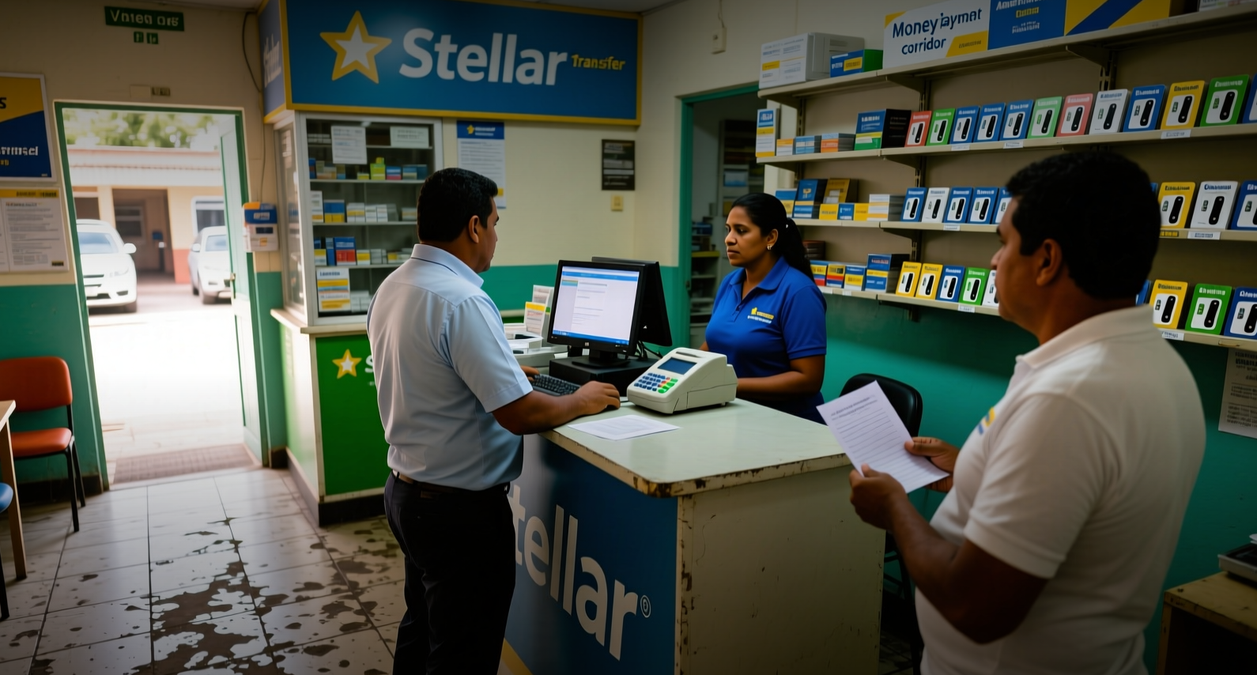
Tether's omnichain USDT0 token went live on the Stellar network Sept. 2, connecting the payments-focused blockchain to more than $180 billion in unified USDT liquidity spanning 20-plus chains.
"For a network built from day one to move money across borders, this is one of the most consequential announcements of the year," Raja Chakravorti, who leads business development at the Stellar Development Foundation, said in a post announcing the launch.
The integration runs on LayerZero's Omnichain Fungible Token (OFT) standard, which uses a burn-and-mint mechanic rather than wrapped tokens. When a user sends USDT0 from one chain to Stellar, tokens are burned at the source and freshly minted at the destination. Every cross-chain transfer requires sign-off from three independent verifiers — LayerZero, USDT0, and Canary — operating as a 3/3 Decentralized Verification Network. Everdawn Labs, which holds a license from Tether to operate USDT0, runs the system, with every token in circulation backed 1:1 by USDT locked on Ethereum.
The launch plugs Stellar into a USDT0 network that already spans Ethereum, Solana, and Hedera. USDT0 first launched in January 2025 and has since processed significant transaction volumes across its supported chains. At launch, USDT0 on Stellar was available through Kraken, Freighter, Lobstr, and Bitget, with additional integrations expected.
For Stellar, the deployment pairs the largest stablecoin's liquidity with existing payment rails that include on- and off-ramp coverage in more than 170 countries and deep anchor presence across Latin America, Africa, and Asia-Pacific. That combination gives dollar liquidity a path to reach markets where traditional banking infrastructure is thin — a use case Stellar has pursued since its founding. Settlements on Stellar finalize in roughly five seconds at a fraction of a cent, making the network well-suited for high-volume, low-value transfers common in remittance corridors.
The move also extends Tether's distribution footprint. USDT0's unified supply model means liquidity is shared across all connected chains rather than fragmented into isolated pools, which strengthens the network effect for Tether as competitors like Circle's USDC expand their own multi-chain presence. For Stellar, adopting the OFT standard means inheriting the entire existing USDT0 liquidity network on day one rather than building from zero.
The risk to watch is concentration. With Everdawn Labs as the sole licensed operator and all backing collateral sitting on Ethereum, the system depends on a relatively small number of entities. The 3/3 DVN model mitigates some bridge risk, but the operational and custodial layers remain centralized points of failure that serious users will need to evaluate. Tether has also faced regulatory scrutiny in multiple jurisdictions, including a lawsuit from two Thai nationals over a $42.4 million USDT freeze, which raises questions about how the omnichain standard handles compliance obligations across chains.
This article is for informational purposes only and does not constitute investment advice.
