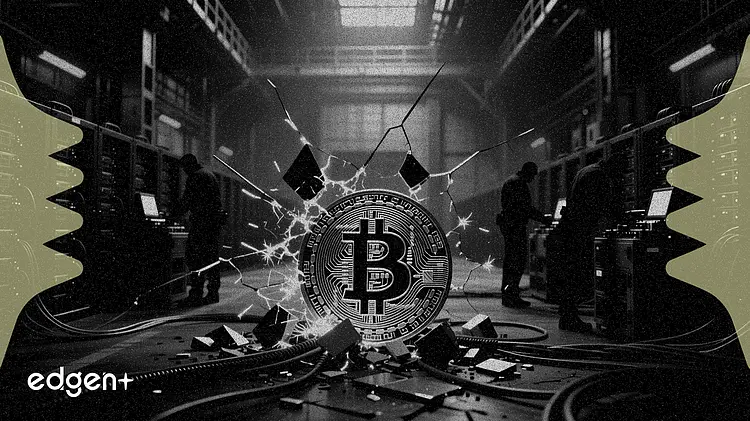
Venezüella makamları, ülkenin elektrik şebekesinin son dokuz yılın en yüksek talebiyle karşı karşıya kalmasıyla birlikte ulusal bir yasağı uygulayarak Maracay'da yaklaşık 4.000 Bitcoin madencilik cihazına el koydu.
'Operasyon Cazador' olarak adlandırılan baskın, Venezüella'nın suç soruşturma polisi (CICPC), askeri birimler ve Bakan Yardımcısı Vianney Rojas da dahil olmak üzere Elektrik Enerjisi Bakanlığı yetkililerinin ortak çabasıydı. Eylem, hükümetin yasadışı dijital madencilik yasağını yeniden teyit etmesinden sadece 11 gün sonra, 18 Mayıs'ta San Vicente Sanayi Bölgesi'nde gerçekleşti.
Depo büyüklüğündeki tesisin içinde yetkililer, madencilik donanımlarının yanı sıra endüstriyel soğutma ve havalandırma sistemlerine de el koydu. Operasyonun sekiz ila 10 megawatt arasında güç tükettiği tahmin ediliyor; bu, 15.579 MW'lık tepe talebi nedeniyle halihazırda zorlanan bir şebeke için önemli bir yük. Venezüella'nın yaşlanan elektrik altyapısı, yıllardır yetersiz yatırım ve bakım arızalarından muzdarip.
Baskın, istikrarsız enerji şebekelerine sahip ülkelerdeki Bitcoin madencileri için artan operasyonel riski vurguluyor. 4.000 makineye el konulmasının küresel hashrate'i etkilemesi pek olası olmasa da bölgedeki madencilik uygulanabilirliği için düşüş yönlü bir gösterge niteliği taşıyor. Hükümet, el konulan donanımın imha mı edileceği yoksa başka bir amaçla mı kullanılacağı konusunda bir açıklama yapmadı; bu soru ikincil piyasa ve devletin madenciliğe katılımı için önemli imalar barındırıyor.
Bölgesel Bir Trend
Venezüella'nın eylemleri bir boşlukta gerçekleşmiyor. Latin Amerika genelinde hükümetler, gizli kripto madenciliğinin elektrik şebekeleri üzerindeki baskısını azaltmak için harekete geçiyor. 20 Mayıs'ta Brezilya polisi, São Paulo eyaletinde yerel elektrik idaresinden yaklaşık iki gigawatt-saat elektrik çalan 1.400 madencilik donanımına el koydu.
Brezilya'da Bitcoin madenciliği yasal olsa da kolluk kuvvetlerinin odak noktası büyük ölçekli enerji hırsızlığıdır. Benzer şekilde Paraguay da ucuz hidroelektrik gücünden yararlanan yasadışı madencilik operasyonlarına baskınlar düzenledi. Bu uygulama eylemleri, dijital varlık ticaretinin yasal statüsü bozulmadan kalsa bile, madenciliğin fiziksel ayak izine odaklanan sıkılaşan bir düzenleyici ortama işaret ediyor. Madenciler için bu trend, jeopolitik riski yeniden değerlendirme ve istikrarlı enerji ile net düzenleyici çerçevelere sahip yargı bölgelerine öncelik verme ihtiyacını simgeliyor.
Bu makale sadece bilgilendirme amaçlıdır ve yatırım tavsiyesi teşkil etmez.