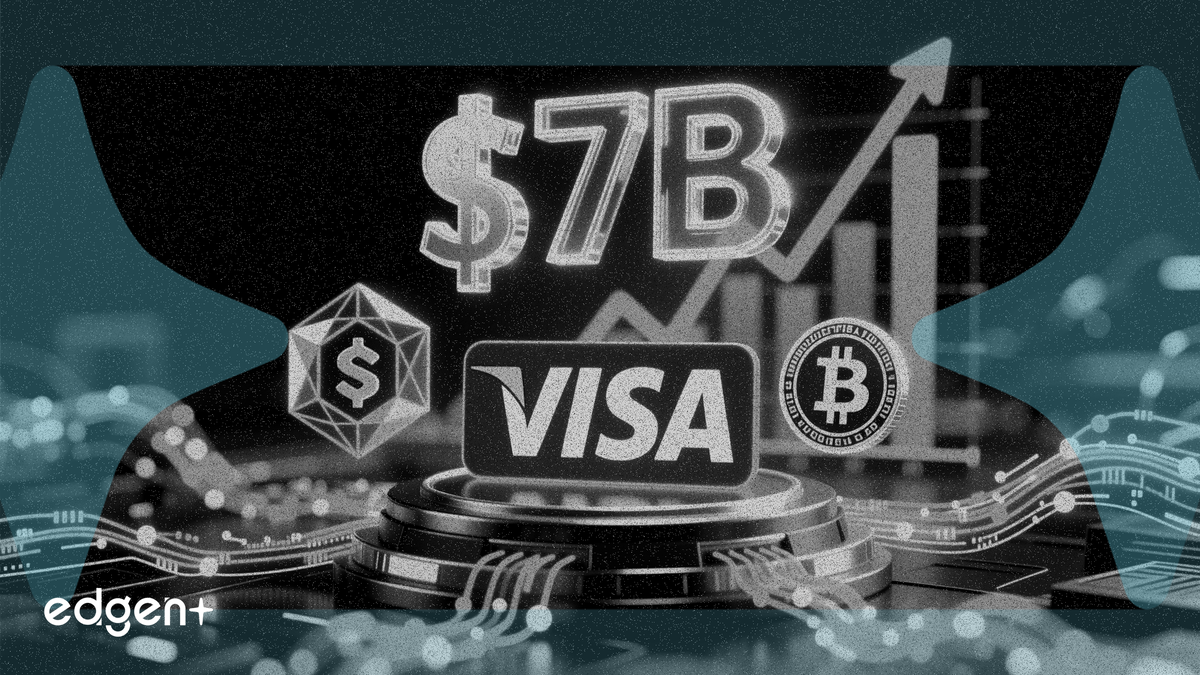
Visa (NYSE: V), pilot uygulama üzerinden işlenen yıllık hacmin 7 milyar dolara ulaşmasıyla, stabil kripto para (stablecoin) ödeme programını Polygon ve Base dahil dokuz blok zincirine genişletti. Bu hamle, dijital varlık altyapısına yönelik daha derin bir hamlenin sinyalini veriyor. Bu adım, USDC ve USDT gibi stabil kripto paraları kullanan ihraççılar ve alıcılar için daha esnek ve verimli bir ödeme imkanı sağlıyor.
Bir Visa sözcüsü yaptığı açıklamada, "Stabil kripto para ödeme yeteneklerimizi dokuz blok zincirine genişleterek, sınır ötesi ödemelerin hızını ve maliyet verimliliğini önemli ölçüde artırıyoruz" dedi. "Bu, geleneksel finans dünyası ile blok zinciri teknolojisi arasında köprü kurma stratejimizde önemli bir adımdır."
Bu genişleme, Visa'nın toplam stabil kripto para ödeme ağlarını dokuza çıkararak Ethereum ve Solana üzerindeki mevcut yeteneklerine Polygon, Base ve ismi açıklanmayan beş zinciri daha ekliyor. Şirket açıklamalarına göre, programın yıllıklandırılmış ödeme hacmi çeyrekten çeyreğe %50'den fazla büyüyerek 7 milyar dolara ulaştı. Bu büyüme, işlemlerin finansmanı ve ödenmesi için ABD doları gibi bir fiat para birimine sabitlenmiş dijital jetonlar olan stabil kripto paraların kullanımının arttığını vurguluyor.
Bu gelişme, Visa'nın ağını zincir üstü (on-chain) ekonomi ile geleneksel üye işyeri kabulü arasında kritik bir aracı katman olarak konumlandırıyor ve dijital varlıkların gerçek dünyada harcanabilir hale getirilmesi zorluğunu doğrudan ele alıyor. Girişim, Visa'yı her ikisi de kendi stabil kripto para ve blok zinciri stratejilerini sürdüren Mastercard ve PayPal gibi ödeme rakipleriyle daha doğrudan bir rekabete sokuyor.
Zincir Üstü ve Zincir Dışı Dünyalar Arasında Köprü Kurmak
Visa'nın stratejisi sadece ödemelerin ötesine geçiyor. Şirket, kısa süre önce tüketicilerin kripto varlıklarını Visa kabul eden herhangi bir satıcıda harcamalarına olanak tanıyan Bitcoin destekli Visa banka kartlarını etkinleştirmek için Lightspark ile ortaklık kurdu. Bu, çok zincirli stabil kripto para ödemesiyle birleştiğinde, dijital varlıkların mevcut ödeme kanallarına entegre edilmesine yönelik kapsamlı bir yaklaşımı gösteriyor.
Amaç, kart ihraççılarının ve fintech ortaklarının Visa hesaplarını finanse etmek için blok zinciri ağlarını kullanmalarına izin vererek uluslararası transferler için gereken karmaşıklığı ve süreyi azaltmaktır. Birden fazla zinciri destekleyerek Visa, ortaklarına daha fazla seçenek sunuyor ve blok zinciri ortamı geliştikçe ağını geleceğe hazırlamaya yardımcı oluyor.
Rekabet Ortamı ve Gelecek Riskleri
Bu hamle Visa'nın konumunu güçlendirirken, yeni riskleri de beraberinde getiriyor. Stabil kripto paralara olan bağımlılığın artması, sektör için hala kurallar formüle eden küresel finans otoritelerinden daha fazla düzenleyici inceleme çekmesi muhtemeldir. Herhangi bir büyük stabil kripto para veya blok zinciri ağındaki bir aksama, operasyonel ve itibari riskler de oluşturabilir.
Ayrıca, yapay zeka destekli ticaret ölçeklenmeye başladıkça, Visa'nın Asya Pasifik ve Latin Amerika'daki "Agentic Ready" girişimi, ağının otomatikleştirilmiş, makine tarafından başlatılan ödemeleri ne kadar iyi idare edebileceğini test edecek. Bu, potansiyel yeni gelir akışları yaratıyor ancak aynı zamanda geleneksel kartlı işlemlere kıyasla dolandırıcılığın önlenmesi ve anlaşmazlıkların çözümü konusunda yeni zorluklar ortaya çıkarıyor. Gelecekte piyasa, bu yeni girişimlerin işlem hacimlerine ne kadar hızlı katkıda bulunacağını ve düzenleyicilerin geleneksel finans ile kriptonun artan yakınlaşmasına nasıl tepki vereceğini izleyecek.
Bu makale yalnızca bilgilendirme amaçlıdır ve yatırım tavsiyesi teşkil etmez.