
Capital rotated out of semiconductor stocks and into cybersecurity and small-cap names during the holiday-shortened week, with the PHLX Semiconductor Index falling 11.7% over two sessions.
Capital rotated out of semiconductor stocks and into cybersecurity and small-cap names during the holiday-shortened week, with the PHLX Semiconductor Index falling 11.7% over two sessions.
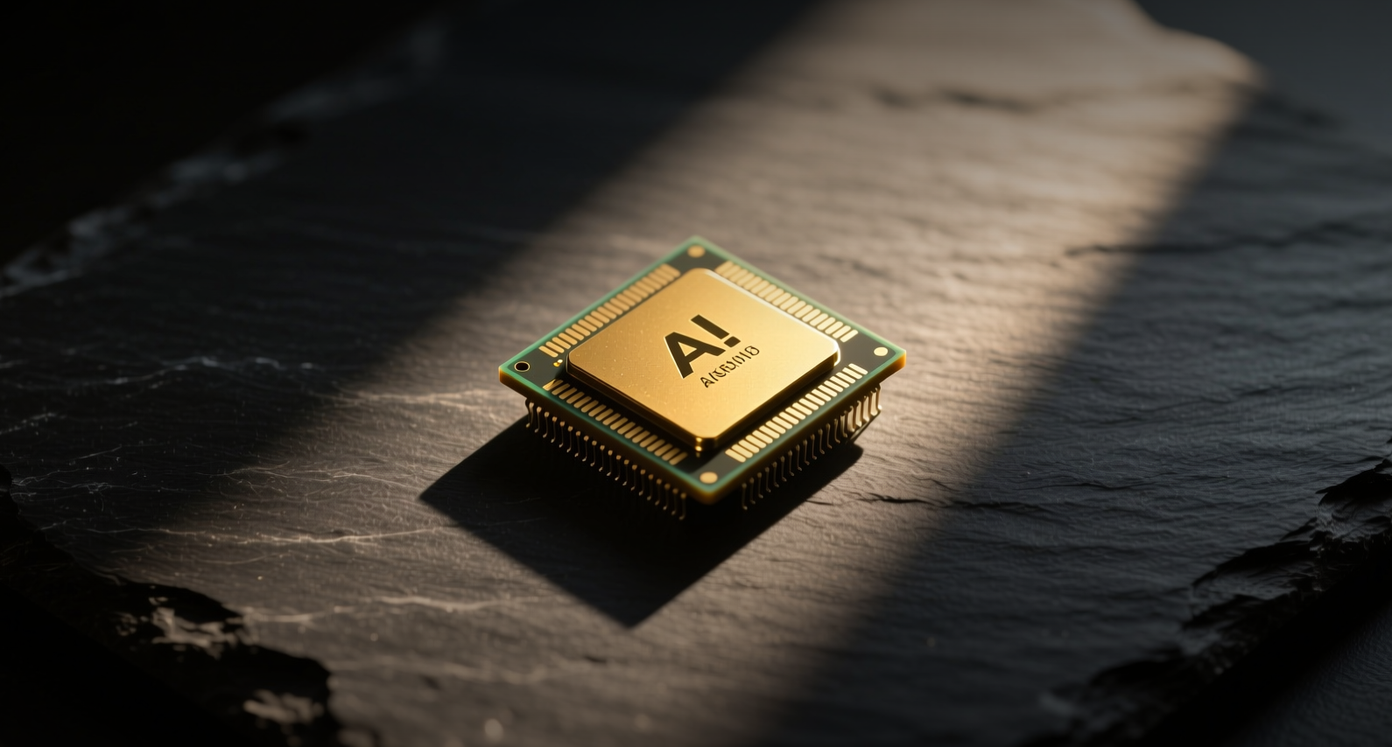
The PHLX Semiconductor Index tumbled 11.7% over Wednesday and Thursday, its worst two-day drop of the year, as investors rotated out of high-flying chip stocks into cybersecurity and small-cap names.
"The market is repricing the AI trade in real time — capital is moving from the companies building the infrastructure to those securing it," said Tom White, senior research analyst at D.A. Davidson.
The selloff erased part of the semiconductor index's record 88% second-quarter gain, its best quarterly performance ever. Over the same two sessions, Palo Alto Networks surged 9% and CrowdStrike rose 7%, both hitting all-time highs. The Dow Jones Industrial Average closed at a record Thursday after June nonfarm payrolls came in at 57,000 versus 115,000 expected, reducing near-term odds of a Federal Reserve rate hike. The S&P 500 closed the first half up 9.6%, while the Russell 2000 posted its best first-half gain since 1991 at roughly 22%.
The rotation raises a critical question for the second half: whether the roughly $750 billion in combined AI capex planned by hyperscalers can sustain chip-stock valuations, or whether capital will continue flowing to the beneficiaries of AI adoption rather than its builders.
Semiconductor Index Suffers Worst Two-Day Drop of 2026
The Philadelphia Semiconductor Index's 11.7% two-day decline followed a first half where chip stocks had surged more than 80%, driven by Nvidia's data center dominance and memory-chip demand from AI training clusters. Nvidia shares have gained just 6% year to date through July 1, trading at 21.7 times forward earnings — well below its two-year average of 34 times, according to YCharts data. By comparison, Advanced Micro Devices trades at 73 times forward earnings despite slower revenue growth.
Two events drove the rotation. A Wall Street Journal report that Zhipu AI's open-weight GLM-5.2 model now rivals Anthropic's restricted Mythos model at finding software vulnerabilities prompted investors to bet that AI-security spending will accelerate, pushing capital into cybersecurity vendors. At the same time, the soft June jobs report reduced the probability of a Fed rate hike at the July 28-29 meeting, lifting rate-sensitive sectors and small caps.
Memory Stocks Emerge as a New Focal Point
Within the semiconductor selloff, memory stocks have become a distinct area of investor focus. Micron Technology, which reached a $1 trillion market cap earlier this year, has been a standout beneficiary of AI-driven demand for high-bandwidth memory used in Nvidia's training clusters. South Korea's SK Hynix, the other dominant player in high-bandwidth memory, is planning a domestic stock listing, according to reports.
The divergence between chip stocks and the hyperscalers that buy them has drawn attention from Wall Street strategists. JPMorgan described the gap as "somewhat unsustainable," outlining two scenarios: either hyperscalers see improved AI monetization and catch up to chip stocks, or they pull back on capex, creating a feedback loop that drags semiconductor shares lower. The bank said it leans toward the more bullish scenario.
The next major test for the rotation comes July 28-29, when the Federal Reserve announces its rate decision. A hold would likely extend the rally in rate-sensitive sectors, while a surprise hike could reverse the rotation back into AI infrastructure names. Vendor earnings from Palo Alto Networks and CrowdStrike in the coming weeks will also test whether cybersecurity valuations near 75 times forward earnings are justified by durable demand.
This article is for informational purposes only and does not constitute investment advice.
