


Gemini now rides inside Waymo's purpose-built Ojai robotaxi, giving passengers a conversational AI that controls the cabin but never the wheel.
Gemini now rides inside Waymo's purpose-built Ojai robotaxi, giving passengers a conversational AI that controls the cabin but never the wheel.
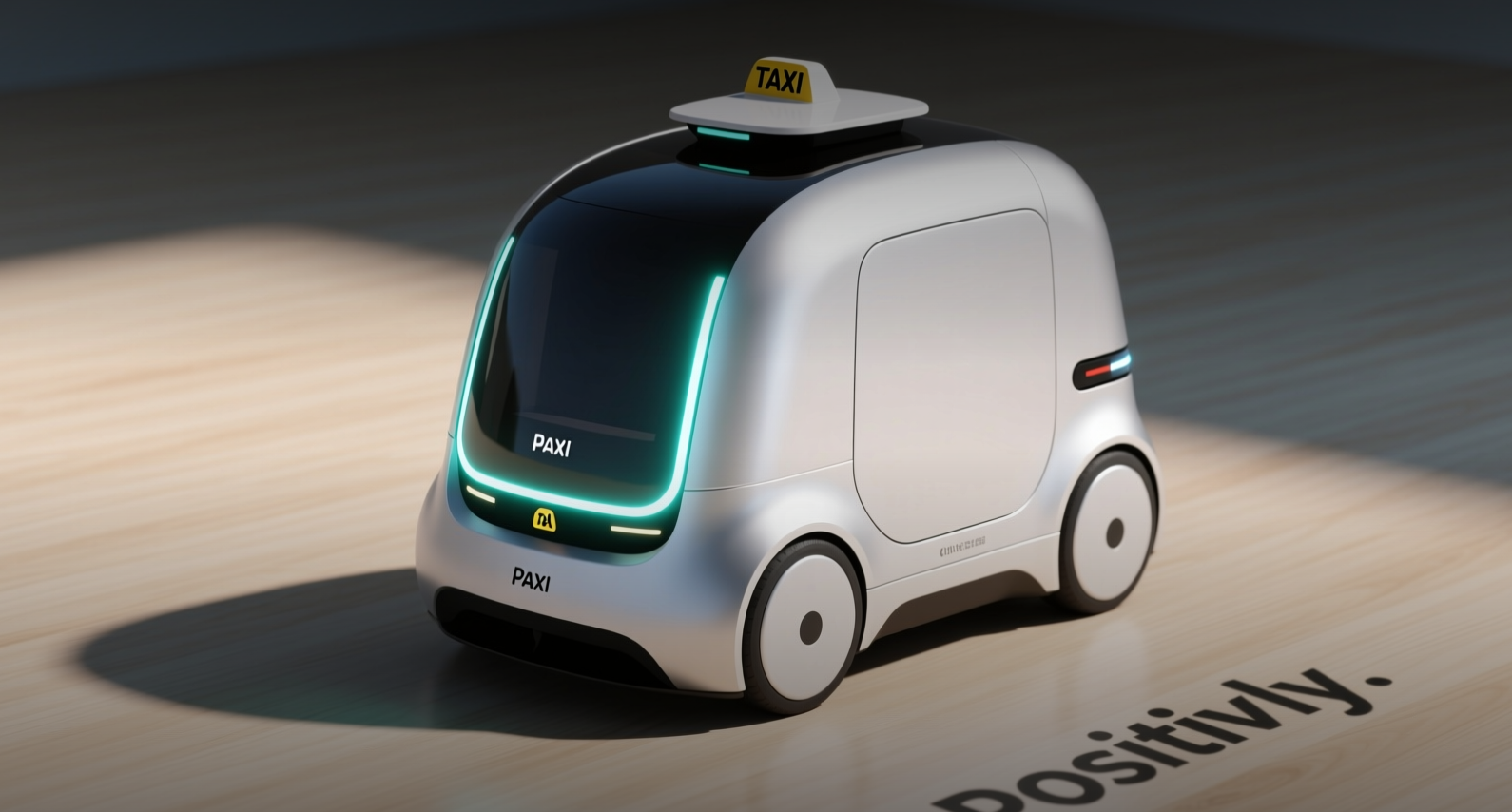
Waymo has deployed Google's Gemini AI inside its custom Ojai robotaxi as an in-car voice assistant, giving riders conversational control over cabin settings and trip information while the autonomous driving stack remains fully separate.
Waymo detailed the integration on its Waypoint blog, describing Gemini as covering four categories: cabin controls, journey information, education about the service, and everyday knowledge. The assistant stays inactive until a rider engages it, a design choice both companies framed around rider privacy.
Riders can tell Gemini to adjust the A/C, ask for nearby coffee shops, or request a pullover — the one point where the assistant touches the ride rather than just the cabin. The integration arrives alongside a redesigned tri-screen cabin experience that varies content across three displays based on which seats are occupied. A solo rider in the right rear seat gets full controls on their own screen, while the other two shift to a simplified trip status view or an ambient media player. Calm Mode dims the screen and strips the display to minimal trip information.
The Ojai is Waymo's first purpose-built robotaxi, debuting the 6th-generation Waymo Driver and now available to riders in San Francisco, Phoenix, and Los Angeles, with Denver, Las Vegas, and San Diego planned later this year. Waymo has passed 20 million fully autonomous trips across more than 11 cities, and its Mesa, Arizona factory is scaling toward tens of thousands of vehicles per year.
The separation between Gemini and the Waymo Driver is the load-bearing detail. The system driving the car and the system chatting with the passenger share a vehicle and a screen but no data path. Waymo says Gemini does not control any aspect of the vehicle's movement or routing beyond passing along a pullover request.
The Ojai's rollout is accelerating. Waymo announced in May 2026 that it would welcome its first public riders to the vehicle through its Trusted Tester program. In August, the company dropped its Dallas waitlist and expanded the Ojai to all Los Angeles riders. California regulators approved Waymo's expansion to 18 counties across the state, covering cities from Sacramento to San Diego.
"This is an important milestone that will allow Waymo to bring the safety and mobility benefits millions of Californians already enjoy to more communities across the state," Sandy Karp, Waymo's communications manager, said.
The competitive pressure is mounting. Pony.ai and Uber announced plans for more than 2,000 robotaxis across Europe, while Waymo continues to widen its operating footprint. The Gemini integration gives Waymo a differentiator in the passenger experience — a conversational layer that competitors like Cruise and Zoox have not yet deployed at scale.
For Alphabet, the integration tightens the link between its AI and autonomous driving divisions. Gemini's deployment in Waymo vehicles creates a new consumer touchpoint for Google's AI products, potentially driving usage that feeds back into model improvements. Waymo's 20 million completed trips provide a real-world testing ground that pure software AI companies cannot match. The Ojai's purpose-built design — flat floor, low step, no driver position — positions it as a premium ride-hailing platform rather than an adapted production car, a structural advantage as the robotaxi market matures.
This article is for informational purposes only and does not constitute investment advice.
