

Nvidia's supply chain is shifting to US soil as Wistron begins mass-producing the GB300 Grace Blackwell Ultra Superchip in Fort Worth.
Nvidia's supply chain is shifting to US soil as Wistron begins mass-producing the GB300 Grace Blackwell Ultra Superchip in Fort Worth.
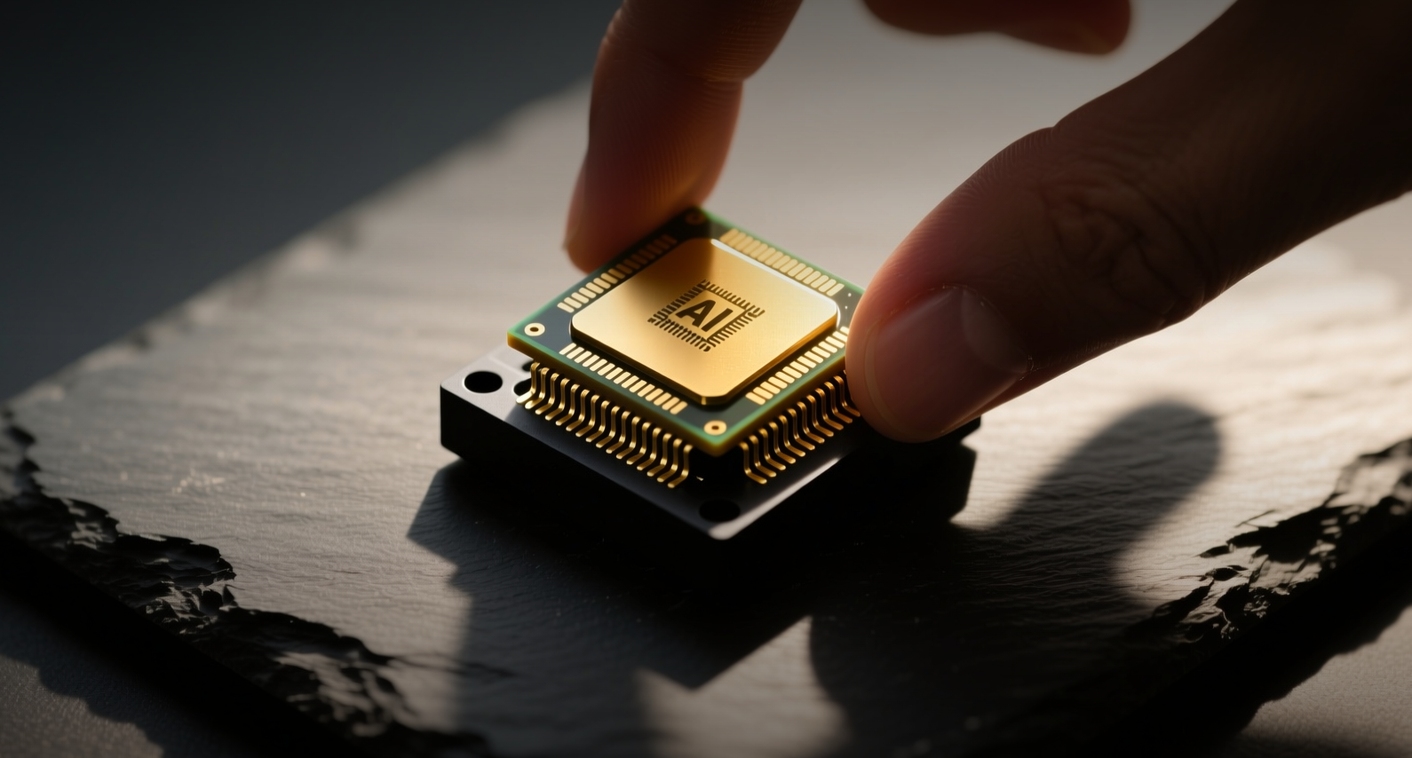
Nvidia supplier Wistron launched a $700 million manufacturing facility in Fort Worth, Texas, to mass-produce the chipmaker's latest AI superchips, deepening the reshoring of critical artificial intelligence infrastructure as demand for computing power surges.
The factory is producing Nvidia's GB300 Grace Blackwell Ultra Superchip — which Chief Executive Officer Jensen Huang has described as "the most powerful AI supercomputer in the world" — and will also manufacture the next-generation Vera Rubin Superchip, Wistron said. The site is the first in the US where the GB300 has been built and mass-produced.
The plant is expected to scale to tens of thousands of computing boards per month by the end of this year, according to Nvidia. It has already created more than 500 jobs and is on track to employ 1,000 workers by year-end. The facility forms part of the $500 billion US investment commitment Nvidia announced in 2025.
The move reflects a broader push by Taiwanese electronics manufacturers to expand US production capacity as the Biden-era CHIPS Act incentives and rising geopolitical tensions over Taiwan — where TSMC, the world's advanced chip foundry, is based — drive supply chain diversification. Wistron joins other Nvidia suppliers such as Foxconn and Pegatron in building US assembly plants for AI servers and networking gear.
GB300 vs. Vera Rubin: Two Generations of AI Silicon
The GB300 Grace Blackwell Ultra Superchip pairs Nvidia's Grace CPU with the Blackwell GPU architecture using NVLink-C2C interconnect, delivering performance gains over the prior-generation H100 (which offered 990 TFLOPS FP16). Nvidia has not disclosed full GB300 benchmark specifications, but the company has positioned it as the flagship AI training and inference platform for 2026.
The Vera Rubin Superchip, named after the American astronomer, represents Nvidia's next architecture and is expected to enter production in 2027. By committing the Fort Worth facility to both generations, Wistron is signaling a multiyear production relationship that extends beyond a single product cycle.
Supply Chain Implications
The Fort Worth plant reduces Nvidia's reliance on Asian assembly hubs for its highest-value systems. While the GB300's core silicon — the Blackwell GPU die — is fabricated at TSMC's fabs in Taiwan, final assembly, testing, and packaging into complete computing boards now occurs on US soil. This split manufacturing model creates logistical complexity but insulates Nvidia from single-region disruption risk.
The facility also supports Nvidia's push to sell complete AI systems — not just chips — to hyperscale cloud providers such as Microsoft, Amazon, and Google, which are spending tens of billions annually on AI data center infrastructure. Delivering fully assembled, tested systems from a US factory shortens lead times for those customers.
What It Means for Investors
Nvidia shares have more than tripled since early 2024 as the company's data center revenue surged past $100 billion on an annualized basis. The Wistron investment, while modest relative to Nvidia's roughly $3 trillion market capitalization, signals that the company expects AI infrastructure demand to remain elevated for years. Rival chipmakers Advanced Micro Devices and Intel are also expanding their AI accelerator lines, but Nvidia's software ecosystem — built around its CUDA platform — remains a competitive moat that competitors have struggled to erode.
The reshoring trend also benefits US-based contract manufacturers and industrial real estate in Texas, though it adds cost pressure to Nvidia's gross margins, which have hovered around 75%. Wistron's ability to ramp production to tens of thousands of boards per month will be a key metric for investors tracking Nvidia's supply capacity heading into 2027.
This article is for informational purposes only and does not constitute investment advice.
