

Key Takeaways:
- バイナンスへの新規上場後、WLFIは利益確定のために売却されたトークンが過去最高の18億枚に達しました。
- 休眠トークンの動きを示す「エイジ・コンシュームド」指標も17.4兆と過去最高を記録しました。
- この動きは、騒動の中でトークン価格が史上最高値から88%下落している最中に発生しました。
Key Takeaways:
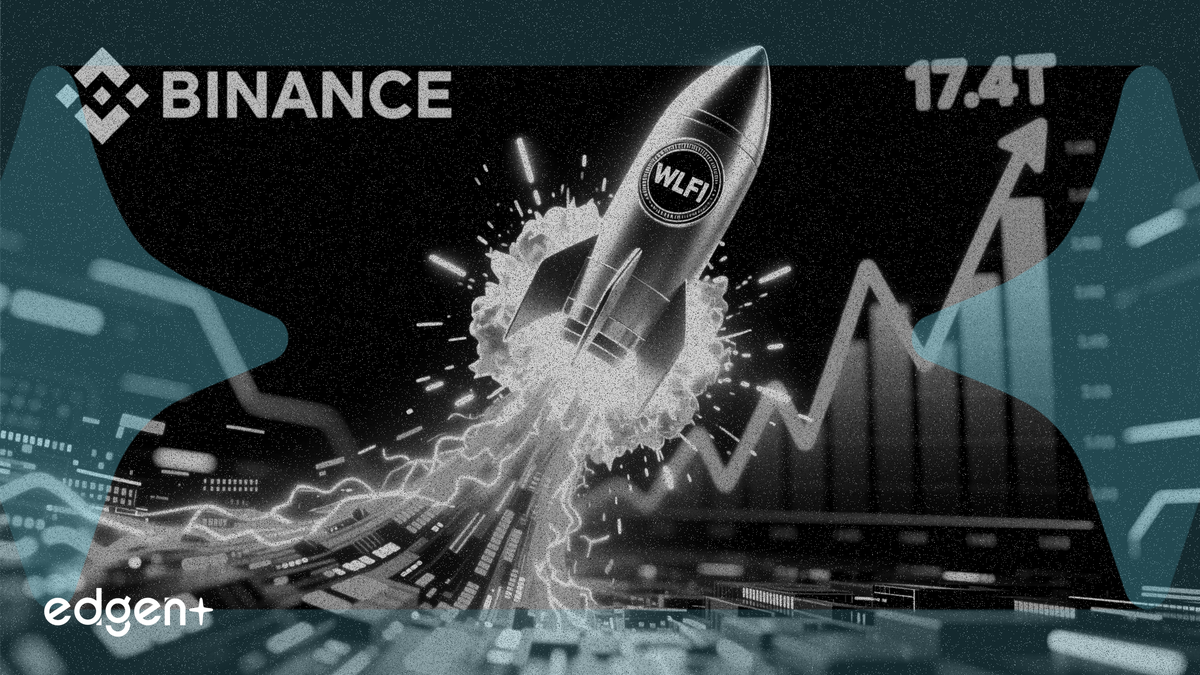
オンチェーンデータによると、ワールド・リバティ・ファイナンシャル(World Liberty Financial)のWLFIトークンは、提携ステーブルコインであるUSD1がバイナンスに新たなビットコイン取引ペアとして上場された後、5月18日に過去最高の17.4兆トークンの移動を記録しました。この活動の急増により、長期保有者はトランプファミリーに関連するこの物議を醸している暗号資産のポジションを解消することができました。
オンチェーンデータは、5月18日に純額18億WLFIトークンが利益確定のために売却され、ネットワークが史上最高の実現利益を記録したことを示しています。休眠トークンの動きを測定する「エイジ・コンシュームド(age consumed)」指標も史上最高を記録し、長期投資家が流動性イベントを利用したことを示唆しています。5月20日に稼働したバイナンスの新しいUSD1/BTC取引ペアにより、トレーダーはステーブルコインをビットコイン先物の担保として使用できるようになります。
この利益確定の嵐は、WLFIの価値が史上最高値から88%近く下落するという惨状の後に起こりました。CoinMarketCapのデータによると、トークンは9月のピーク時の0.33ドルから下落し、0.07ドル付近で取引されていました。この下落は、暗号資産の億万長者であるジャスティン・サン(Justin Sun)氏との訴訟や、未公開のトークン販売に関する報告など、一連の不祥事によって引き起こされました。WLFIの財務局として機能する上場企業AIファイナンシャル(AI Financial)は、WLFI保有に伴う未実現損失が主な原因で2億7,130万ドルの純損失を計上した後、SECへの提出書類の中で、事業を継続する能力に「重大な疑義」があると警告しました。
この状況は、政治に関連する暗号資産プロジェクトに伴う極端なボラティリティとリスクを浮き彫りにしています。トランプファミリーはワールド・リバティ・ファイナンシャルから、「ホワイトグローブ」と呼ばれるプライベートトークン販売による推定6億6,000万ドルを含む15億ドル以上を稼いだと報じられていますが、このプロジェクトはインサイダー取引の告発や透明性の欠如に悩まされてきました。自身のトークンが不当に凍結されたと主張するジャスティン・サン氏との継続的な法廷闘争は、投資家の信頼をさらに損なっています。このプロジェクトの苦境は、米上院が政治家やその家族のデジタル資産取引を制限する規定を含む可能性のある暗号資産規制法案「CLARITY Act」を検討している最中に発生しています。
この記事は情報提供のみを目的としており、投資アドバイスを構成するものではありません。
