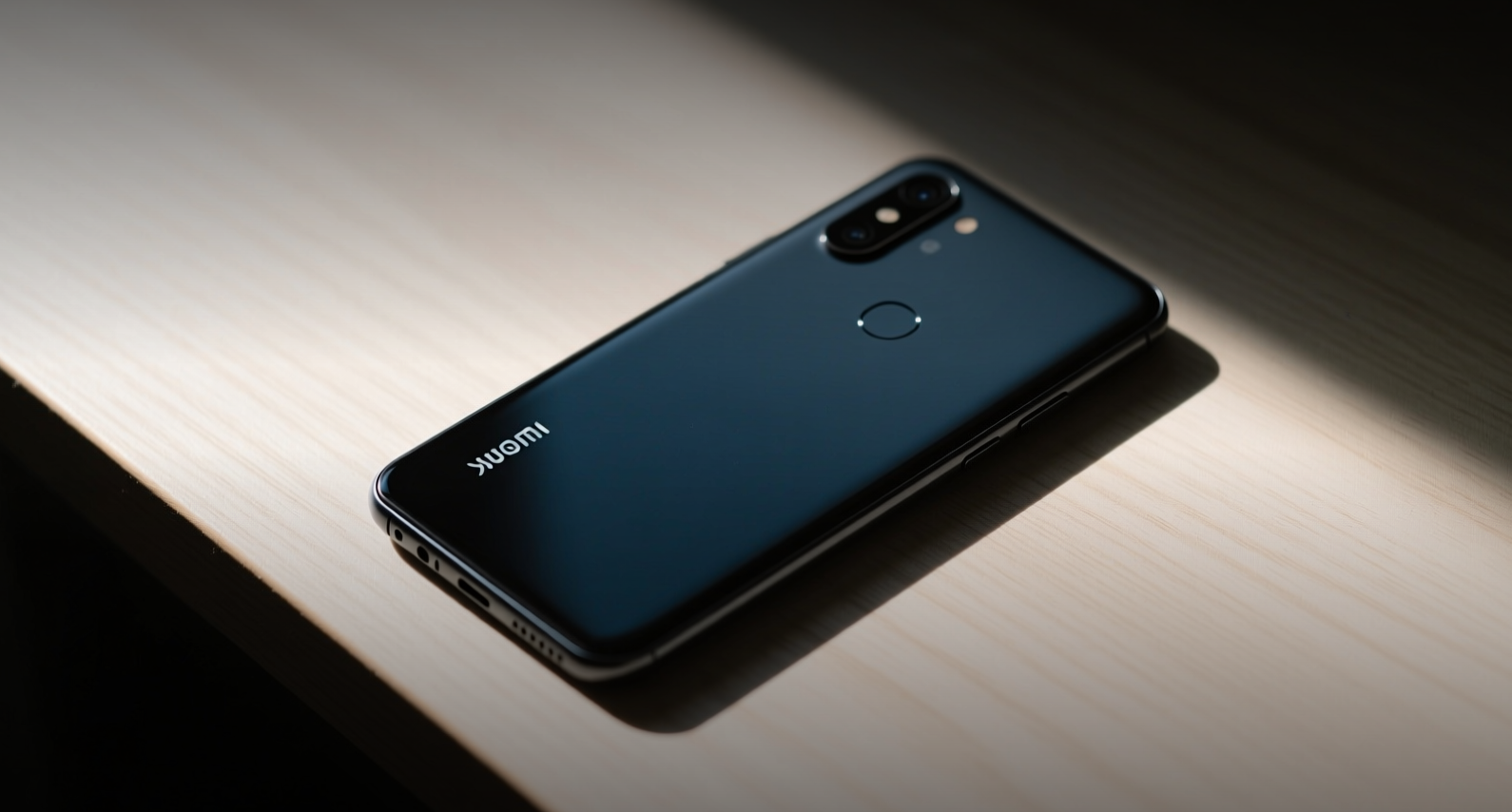
Xiaomi raised its full-year 2026 smartphone shipment target by 16% to 110 million units, betting that the memory chip price cycle that has battered the industry is approaching a turning point.
Xiaomi increased its 2026 smartphone shipment target to 110 million units from about 90 million, a 16% upward revision driven primarily by low-end models, according to supply chain sources cited by Jiemian News on July 21. The move comes after the company cut its forecast twice this year as memory chip costs surged to historic highs.
"The upward revision reflects Xiaomi's internal view that the current storage market cycle may be approaching a reversal," a person close to the company told Jiemian News, speaking on condition of anonymity.
Xiaomi started 2026 targeting roughly 170 million units — matching its actual 2025 shipment level — before cutting to 135 million units in January as memory prices climbed across the supply chain. Nikkei Asia reported on June 30 that the company had further reduced its forecast by about 30% to approximately 95 million units, a contraction of more than 40% from the initial projection. The latest revision partially reverses those cuts.
The global memory industry has been in a supercycle of price increases since the second half of 2025. DRAM contract prices rose 171.8% year-on-year in the third quarter of 2025, followed by a 45% to 50% increase in the fourth quarter. The pace accelerated in 2026: DRAM prices jumped 90% to 95% in the first quarter and another 58% to 64% quarter-on-quarter in the second, while NAND Flash prices rose 55% to 60% and then 54% to 75% over the same periods — both marking the largest single-quarter growth rates on record, according to TrendForce data.
Why downstream is pushing back
The three dominant memory manufacturers — Samsung, SK Hynix and Micron — have redirected a large portion of advanced production capacity toward higher-margin HBM and server DRAM to meet surging AI data center demand. About 70% of global memory production is now consumed by data centers, leaving consumer-grade segments such as smartphones and PCs squeezed.
The impact falls disproportionately on budget devices. Memory costs account for more than 30% of the bill of materials for smartphones priced below $200, compared with less than 10% for premium models above $800, according to industry calculations. To maintain profit margins under the same DRAM price surge, entry-level phones would need a 40% to 50% retail price increase, while high-end models require only 5% to 8%.
Downstream manufacturers have begun pushing back. OPPO and vivo recently rejected Samsung's third-quarter price quotations, even though the proposed increase was modest compared with the prior two quarters, industry sources told Jiemian News. Samsung stopped accepting new orders for LPDDR4 products in April, while Micron and SK Hynix had already halted such orders by the end of 2025 — effectively removing the low-cost memory that underpins budget smartphones.
The demand-side resistance has already reshaped global smartphone market forecasts. Counterpoint Research cut its 2026 global shipment estimate to roughly 1.08 billion units in early June, widening the projected year-on-year decline from 2.1% at the start of the year to 13.9% — the lowest level since 2013. IDC projected a 13% annual drop to around 1.1 billion units over the same period. TrendForce revised its forecast from 0.1% annual growth to a 2% decline.
Supply constraints persist despite resistance
Despite growing pushback from phone makers, the memory chip shortage remains difficult to reverse, multiple industry insiders said. AI data center demand for HBM and enterprise-grade memory continues to surge, prompting the three major manufacturers to maintain their capacity shift toward high-profit segments. Samsung, SK Hynix and Kioxia are also continuing to cut consumer-grade memory output to sustain high-price strategies.
Omdia data shows Samsung's 2026 NAND wafer production will fall to 4.68 million from 4.9 million in 2025. SK Hynix's output will drop to about 1.7 million wafers from 1.9 million, and Kioxia will reduce production to 4.69 million wafers from 4.8 million. Capital expenditures across the three manufacturers are being structurally redirected toward HBM and server DRAM, further constraining consumer-grade supply.
Xiaomi shares opened 1.4% lower on July 21 before paring losses, trading at HKD27.64, down 0.36%, with turnover of HKD861 million. The stock has been under pressure this year as margin concerns from rising memory costs weighed on investor sentiment. If the memory cycle does reverse, Xiaomi — along with OPPO, vivo and other smartphone makers — could see margin relief in the second half of 2026. But with AI-driven demand for HBM still accelerating and consumer-grade production cuts ongoing, the timing of any inflection point remains uncertain.
This article is for informational purposes only and does not constitute investment advice.