

Key Takeaways:
- Xiaomi plans a massive 200 billion RMB R&D investment over the next five years.
- The investment will focus on core technologies like chips, OS, and AI.
- This move aims to bolster Xiaomi's "Human x Car x Home" ecosystem strategy.
Key Takeaways:
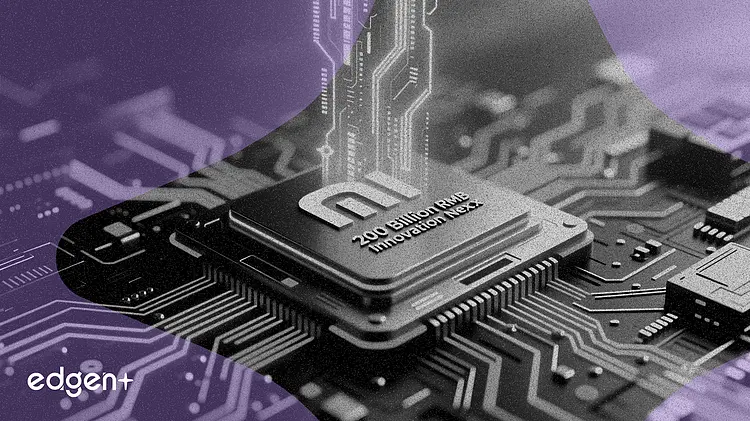
Xiaomi Corp. plans to invest at least 200 billion RMB ($27.6 billion) in research and development over the next five years, a move aimed at bolstering its "Human x Car x Home" ecosystem and solidifying its position in the competitive consumer tech and electric vehicle markets. The investment will focus on core technologies including chips, operating systems, and artificial intelligence.
"In the past five years, Xiaomi has invested 105.5 billion RMB in R&D, making breakthroughs in chips, large models, smart manufacturing, and robotics," Lei Jun, CEO of Xiaomi, said in an interview after the YU7 GT launch event. "Please give Xiaomi another five years, and after five years, Xiaomi will definitely go up to a big step."
The massive R&D spending plan underscores Xiaomi’s ambition to compete head-on with established players in the EV space like Tesla and BYD. The company's first electric vehicle, the YU7, has already made waves in the Chinese market, with its sales outpacing the Tesla Model Y for two consecutive months since its launch. Xiaomi recently introduced a new, lower-cost "True Standard Edition" of the YU7, priced at 233,500 yuan ($34,300), which is 30,000 yuan cheaper than the standard Model Y while offering a longer range.
This heavy investment in vertical integration and software-hardware synergy reflects a broader trend among Chinese technology firms. Aicha Evans, CEO of autonomous vehicle company Zoox, recently commented on this, stating that Chinese companies, having come from a smartphone-first era, are "native" to the kind of hardware and software integration that is crucial for the future of electric and autonomous vehicles. With its deep roots in consumer electronics and a growing presence in the automotive sector, Xiaomi's 200 billion RMB R&D bet could further accelerate this advantage, intensifying competition for both traditional automakers and tech rivals.
This article is for informational purposes only and does not constitute investment advice.
