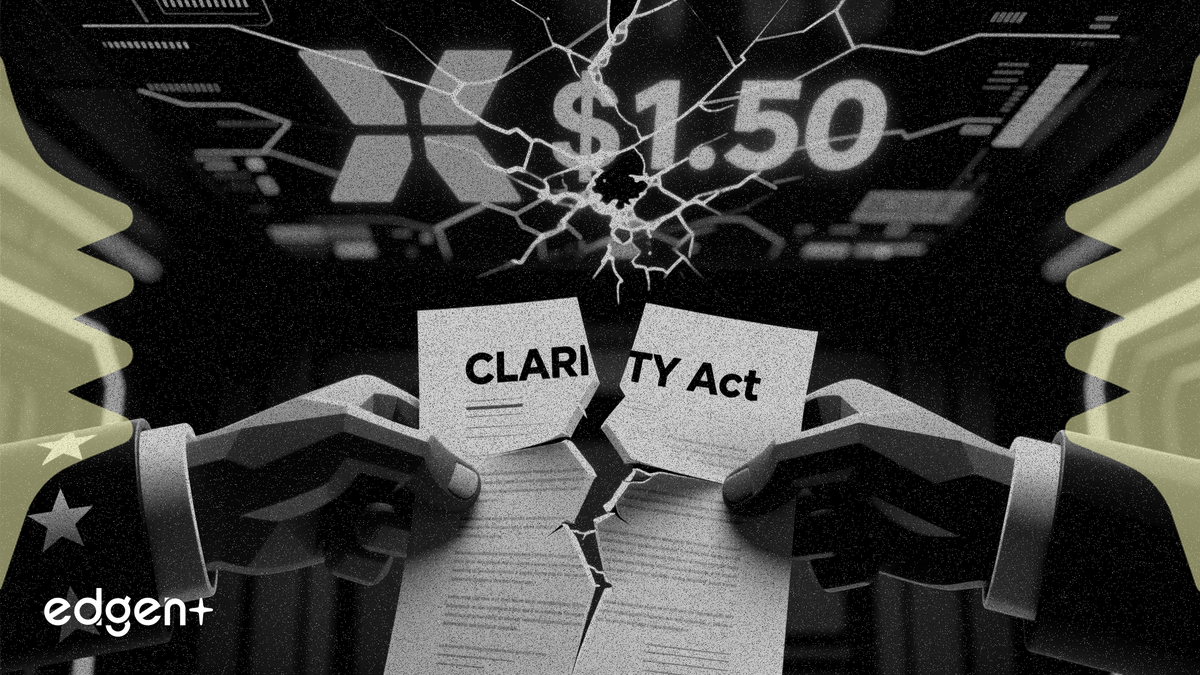
XRP (XRP) cotizó justo por debajo de su nivel de resistencia crítico de 1,50 $ después de que un comité clave del Senado de EE. UU. hiciera avanzar un amplio proyecto de ley sobre criptomonedas, una medida que sus defensores argumentan que finalmente podría otorgar al token claridad legal como materia prima. La Ley CLARITY fue aprobada por el Comité Bancario del Senado con una votación de 15-9 el 14 de mayo, pero la votación mayoritariamente partidista indica una dura batalla en el pleno del Senado que, hasta ahora, ha limitado las ganancias inmediatas del precio.
"En última instancia, tenemos un acuerdo sobre el 99% del proyecto de ley", dijo la senadora Cynthia Lummis tras la votación. "Espero que mis colegas del otro lado del pasillo trabajen conmigo para resolver el 1% restante después de que aprobemos este proyecto de ley en el comité".
El proyecto de ley avanzó con el apoyo de los 13 miembros republicanos y solo dos demócratas, Ruben Gallego y Angela Alsobrooks. Aunque los mercados reaccionaron inicialmente de forma positiva, con Bitcoin (BTC) tocando brevemente los 82.000 $ y las probabilidades de los mercados de predicción para la aprobación del proyecto de ley saltando al 70% según datos de Polymarket, el camino a seguir es complejo. El proyecto de ley requiere 60 votos para ser aprobado por el Senado en pleno, lo que significa que al menos siete demócratas tendrían que cruzar la línea partidista, una perspectiva difícil dado el creciente estancamiento partidista antes de las elecciones.
Para XRP, lo que está en juego es mucho. Sus defensores creen que la aprobación de la Ley CLARITY eliminaría la incertidumbre regulatoria que ha reprimido su precio, lo que podría conducir a nuevas cotizaciones en las bolsas de EE. UU. y a un aumento en la adopción institucional. Sin embargo, el avance del proyecto de ley también ha creado un escenario de "venta con la noticia", con el precio del token cayendo casi un 2% en las 24 horas posteriores a la votación.
División partidista y preocupaciones éticas
A pesar de la aprobación del comité, persisten divisiones profundas. Los demócratas del Senado publicaron un informe indicando que la versión actual del proyecto de ley no adopta los estándares globales contra el lavado de dinero y no cierra las lagunas para los mezcladores de criptomonedas. El Caucus Progresista del Congreso también ha anunciado su oposición a cualquier proyecto de ley que pueda "permitir que el Presidente y su familia se enriquezcan... a través de las criptomonedas", una referencia a las disposiciones éticas que los demócratas no lograron incluir en el proyecto de ley.
"Un proyecto de ley sin disposiciones éticas sólidas eleva los peligros de engañar a los consumidores e inversores", escribió un grupo de organizaciones progresistas, incluyendo Americans for Financial Reform, en una carta el 8 de mayo. Este sentimiento subraya un punto de fricción políticamente volátil que podría descarrilar el progreso del proyecto de ley en el pleno del Senado.
El riesgo de derivados lanza una advertencia
Mientras los alcistas se centran en el impulso legislativo, los datos de derivados de CryptoQuant señalan un riesgo a corto plazo para XRP. El Ratio de Apalancamiento Estimado (ELR) en Binance, que mide la relación entre la exposición a derivados y la garantía subyacente, subió a un máximo de dos meses de 0,179 al 15 de mayo. Un ELR elevado aumenta el riesgo de un "long squeeze", donde una caída de precios obliga a liquidar las posiciones largas apalancadas, amplificando la presión vendedora.
Un escenario similar ocurrió a mediados de marzo de 2026, cuando el ELR superó el 0,18. En los días siguientes, el precio de XRP cayó más del 17% desde aproximadamente 1,50 $ hasta un mínimo cerca de 1,27 $ a medida que las posiciones apalancadas se deshicieron forzosamente. Con el precio de XRP ya retrocediendo desde el nivel de oferta de 1,50 $, el alto apalancamiento en el mercado de derivados presenta un obstáculo significativo contra una posible ruptura.
Este artículo es solo para fines informativos y no constituye asesoramiento de inversión.