


XRP holders turned on Ripple's Swell 2026 conference within hours of its announcement, accusing the company of prioritizing its RLUSD stablecoin over the XRP token that built its community.
XRP holders turned on Ripple's Swell 2026 conference within hours of its announcement, accusing the company of prioritizing its RLUSD stablecoin over the XRP token that built its community.
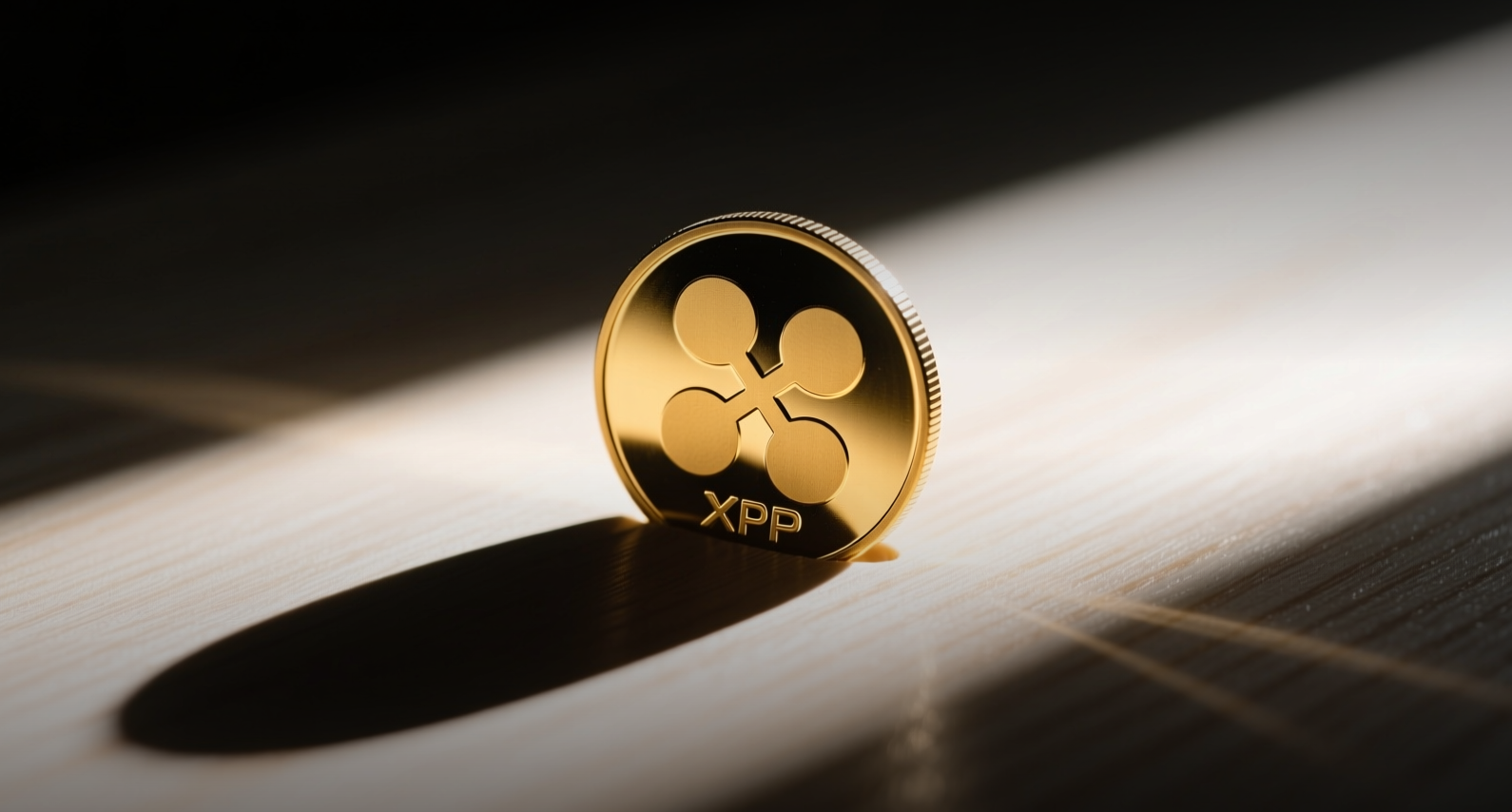
XRP holders flooded Ripple's Swell 2026 announcement thread with hostility after the conference agenda elevated RLUSD stablecoin use cases over XRP utility.
"Ripple is constructing a regulated institutional business around RLUSD while XRP's price stagnates and holders are disappointed," one community member wrote in the @RippleSwell reply thread, with others calling out CEO Brad Garlinghouse by name. The tone ranged from sharp to outright furious, a rare public break between Ripple and the retail base that has supported the token through years of SEC litigation.
Swell 2026, scheduled for Oct. 27-29 at The Shed in Hudson Yards, New York City, marks the first time Ripple is folding its developer-focused XRPL Apex summit into the main conference. The combined event targets 1,500-plus attendees, 75-plus speakers and 50-plus sessions across three stages covering payments, tokenization, decentralized finance, AI applications, interoperability and stablecoins. RLUSD's role in enterprise treasury management and cross-border settlement features prominently on the institutional track.
The backlash signals a widening gap between Ripple's institutional ambitions and its retail holder base. XRP holders have long pushed for token supply reduction as a mechanism to create direct price pressure — a demand Ripple has consistently declined. With Swell 2026 doubling down on stablecoin infrastructure rather than XRP utility, the question of whose interests Ripple serves is no longer theoretical.
Garlinghouse framed the moment with deliberate confidence, saying "I've been in crypto long enough to know when a moment is real." The statement positions Swell 2026 as a threshold event for institutional crypto adoption, but says nothing specific about what that adoption means for XRP price or holder value. The XRP Ledger has surpassed 4 billion completed transactions, a milestone Garlinghouse cited as evidence the network has matured for the institutional audience Ripple is targeting.
The token burn argument has re-emerged as a focal point of community frustration. A portion of the XRP community is pushing for supply reduction to create direct price pressure, a mechanism Ripple has consistently declined to implement. That refusal, combined with a conference agenda that leads with stablecoins and tokenization rather than XRP utility, is being read by holders as a signal about where Ripple's actual priorities sit.
Community sentiment of this intensity is a legitimate market signal. When the XRP community — historically one of the most vocal and coordinated retail bases in crypto — publicly turns on a Ripple event, it registers in social volume metrics that can suppress short-term buying pressure and amplify sell-side momentum. The underlying accusation is not subtle: Ripple is building a regulated institutional business around RLUSD while XRP's price underperforms relative to the company's corporate milestones.
This article is for informational purposes only and does not constitute investment advice.
