
China cut crude imports by nearly half since the Iran war began, drawing down stockpiles to keep global prices in check.
China cut crude imports by nearly half since the Iran war began, drawing down stockpiles to keep global prices in check.
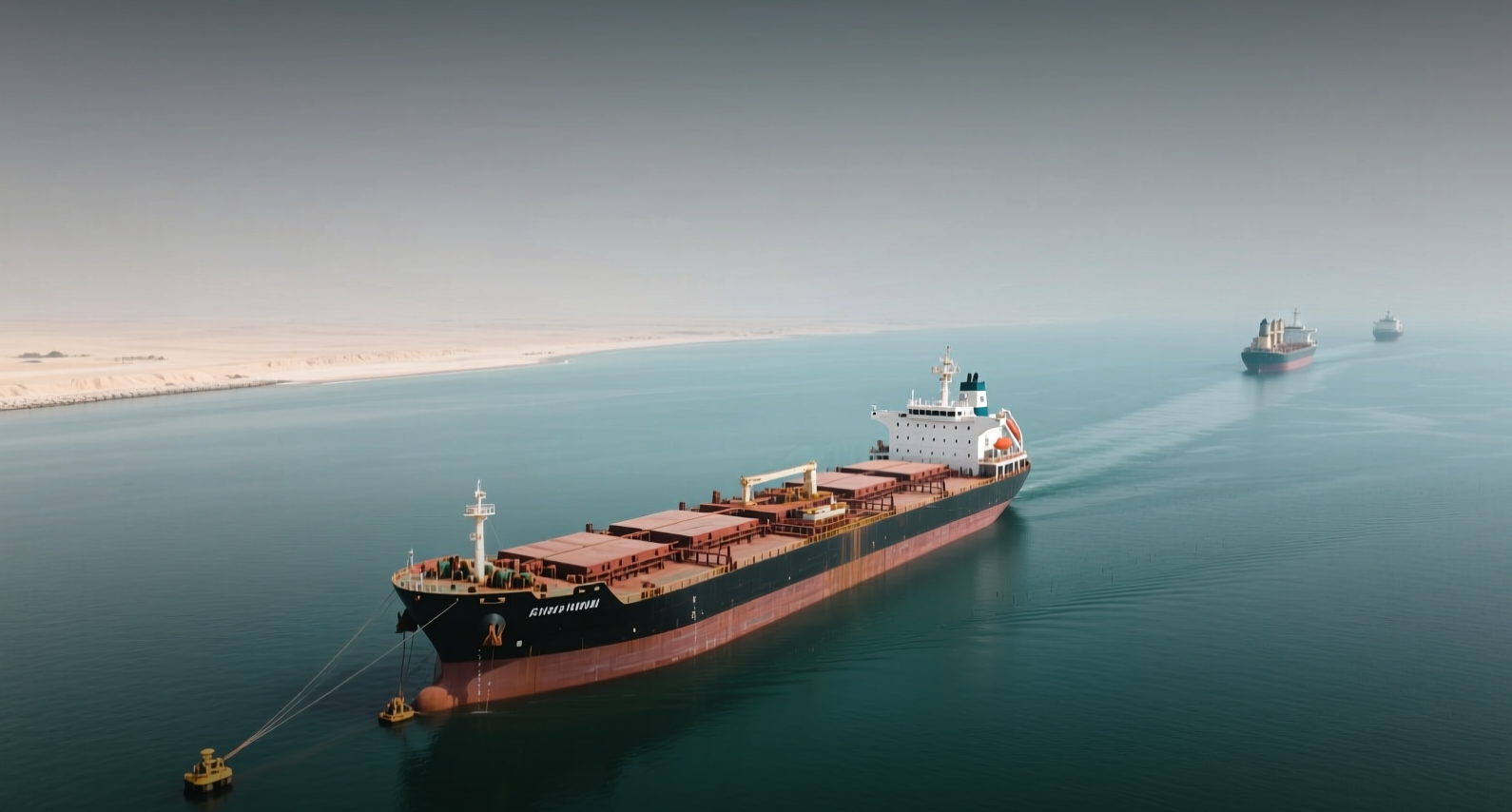
China's crude imports fell 49% from February to June as the Iran war closed the Strait of Hormuz, with April arrivals at 9.37 million bpd — the lowest in almost four years — while metals trade rose.
"Given the thin Iranian availability amid the U.S. blockade, Chinese teapots are now looking beyond Russia and Iran," said Sun Jianan, senior oil analyst at Energy Aspects.
China received just 648,000 bpd through the Strait of Hormuz in April, down from an average of 4.07 million bpd in the three months to March, Kpler data show. Brent futures reached a 2026 high of $126.41 a barrel on April 30, up 74% from the $72.48 close on Feb. 27, while London aluminum prices climbed 14% to $3,579.50 a ton.
The demand cut has been central to capping crude prices and curbing inflation, but it rests on China drawing down reserves built before the war — a buffer that, once depleted, could send prices sharply higher if the strait stays closed.
Beijing's curbs on gasoline, diesel and jet-fuel exports pushed the average run rate across 49 state-owned refineries down to 71.6% by May, the lowest since the Covid-19 pandemic, S&P Global Platts data show. Refined-oil production fell 5.6% and plastics output 4.9% in the first half of 2026. China's refined-product exports dropped to 3.1 million metric tons in April, down 33% from March and the lowest in a decade.
The export restrictions also damped domestic air travel, with passenger numbers falling 8% in May and 7% in June from a year earlier, while rail traffic held up on an electric grid powered mainly by coal and renewables.
China's oil demand fell just 1.6 million bpd in the second quarter from a year earlier — a modest drop next to the import plunge — because Beijing has tapped stockpiles built before the war. Analysts put total reserves, including strategic petroleum reserves and commercial holdings, at between 1 billion and 1.4 billion barrels. Since May, China has withdrawn about 56 million barrels from commercial reserves and 15 million from refineries, Vortexa data show, while its strategic reserve remains largely untouched.
The stockpiling strategy extends to other commodities. Iron-ore imports held at 103.9 million tons in April, and port inventories of 161.4 million tons in the week to May 8 remain 14.2% above the same week last year, even after easing from a record 166.9 million tons in mid-March. China is also leaning on coal-to-chemical plants: in Xinjiang, naphtha and diesel output from coal nearly doubled in 2025.
The squeeze on sanctioned barrels is now hitting China's independent refiners hardest. Offers of Iranian crude for September and October delivery have declined as the U.S. blockade, re-imposed July 13, cut Tehran's shipments. Some Iranian Light cargoes are now offered at a premium of about $2 a barrel to ICE Brent, an abrupt shift from a $3 discount a month earlier. Iranian floating storage outside the blockade zone has fallen to about 80 million barrels from 105 million before the blockade, Kpler data show, with only about 30 million barrels left in Asian waters.
China's Iranian imports fell to 785,000 bpd in June, the lowest since February 2023, and intake so far in August has dropped to 534,000 bpd, Kpler data show. China buys more than 80% of Iran's shipped oil. With U.S. Treasury Secretary Scott Bessent threatening the "toughest sanctions in history" on Monday, teapot refiners in Shandong — which account for about a fifth of China's refining capacity — are weighing alternatives such as Brazil's Lapa and Iraq's Basrah crude.
The last time China's crude imports fell this sharply was during the 2020 pandemic, when arrivals dropped roughly 5% month over month before rebounding within a quarter. This time the recovery depends on the strait reopening; if it does, China's refiners are expected to resume buying at lower prices, potentially lifting Brent from current levels. If it does not, the drawdown of reserves that has cushioned global markets will eventually run its course, leaving Asia's biggest importer — and the world — exposed to a supply shock.
This article is for informational purposes only and does not constitute investment advice.
