


Key Takeaways:
- Memory chip stocks fell 4% to 7% in pre-market trading Tuesday
- Apple's reported PrismML collaboration raised on-device AI efficiency concerns
- A similar sell-off in April reversed within weeks as AI demand held firm
Key Takeaways:
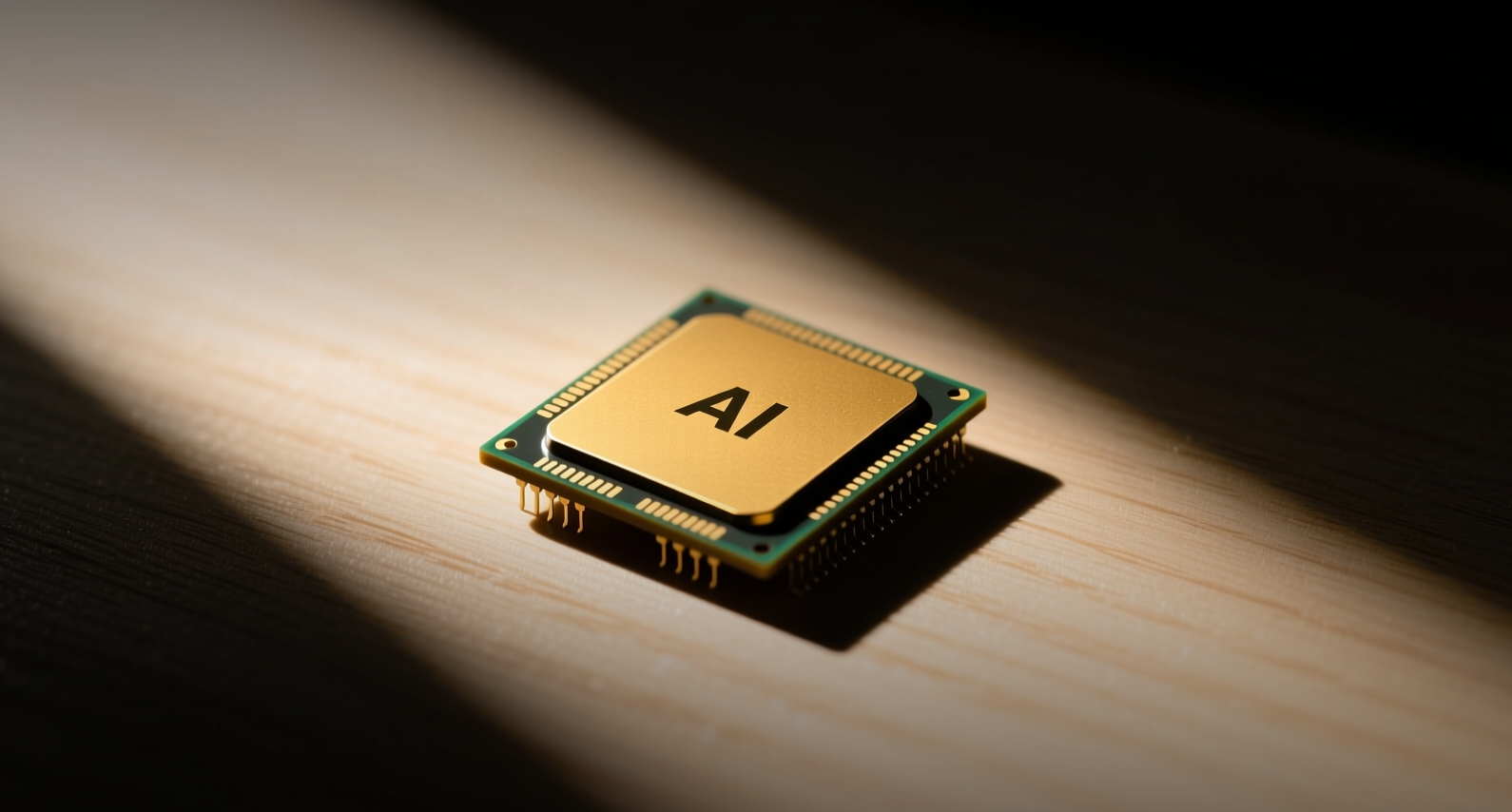
Memory chip stocks that surged to records on Monday reversed course in pre-market trading Tuesday, with SK Hynix falling 6.7% as Apple's push for on-device AI efficiency raised concerns about future memory demand.
"The market is pricing in a scenario where Apple's memory compression software reduces DRAM content per device, which would be a headwind for suppliers," said C.J. Muse, semiconductor analyst at Cantor Fitzgerald.
SK Hynix ADR led the decline at 6.7%, while Micron Technology and SanDisk each fell 3.9% and Western Digital dropped more than 4%. The sell-off follows a session Monday when the Roundhill Memory ETF surged 11% and memory stocks hit fresh highs on sustained AI demand from hyperscalers.
Apple is exploring a collaboration with PrismML, a startup specializing in memory compression, according to recent reports. The technology could allow Apple to shrink AI models through quantization — a technique that reduces the precision of model weights to lower memory requirements. Apple reports earnings on July 30, and any commentary on its on-device AI strategy could amplify selling pressure.
History Suggests the Sell-Off May Be Overdone
The pattern has precedent. In April, Alphabet released TurboQuant, a tool promising major reductions in memory usage for AI inference. The announcement triggered an immediate sell-off in Micron and SanDisk on fears that memory demand would evaporate. Both stocks recovered within weeks and went on to notch fresh all-time highs as AI adoption continued to scale.
The fundamental demand picture for high-bandwidth memory remains intact. AI hyperscalers — Microsoft, Amazon, Google, and Meta — are racing to expand capacity, creating a structural shortage that has supported robust pricing power. Micron specializes in DRAM and HBM for training and real-time inference, while SanDisk focuses on high-density NAND flash and enterprise SSDs that power AI data lakes.
Even if Apple improves on-device efficiency, the broader AI infrastructure buildout requires exponentially more memory, not less. Frontier models shuttle billions of parameters between processors at blistering speed, and insufficient DRAM bandwidth quickly becomes a bottleneck regardless of GPU cluster size.
What This Means for Investors
Micron shares have surged 210% year to date, while SanDisk has gained 503%, making them the top two performers in the Nasdaq-100. The stocks trade at elevated multiples that leave them vulnerable to any narrative shift around demand. A repeat of the April pattern — sharp sell-off followed by recovery — would present a buying opportunity, but only if the broader AI CapEx cycle remains intact.
Intel, which reports earnings Thursday, fell 28% in July alongside the broader semiconductor pullback. The company announced Tuesday it will manufacture Fortinet's next generation of cybersecurity chips, a win for its foundry business that helped Intel shares rise 6% to 9% on Monday.
This article is for informational purposes only and does not constitute investment advice.
