
OpenAI's multi-agent v2 update brings Luna model support to enterprise agent workflows, extending a price-cut push that has slashed Luna inference costs by as much as 80 percent.
OpenAI's multi-agent v2 update brings Luna model support to enterprise agent workflows, extending a price-cut push that has slashed Luna inference costs by as much as 80 percent.
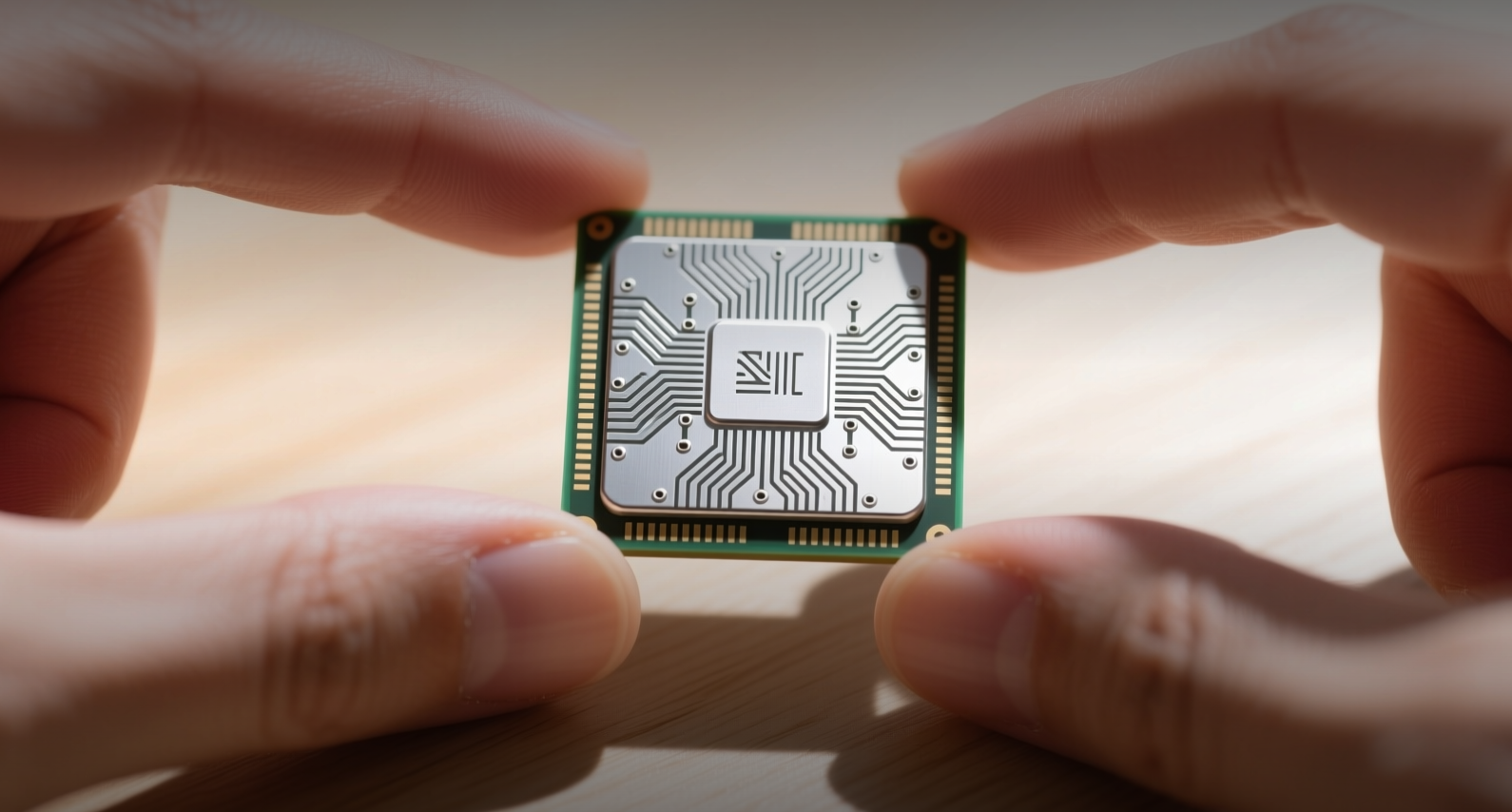
OpenAI's multi-agent v2 update, released Aug. 16, adds Luna model support to enterprise workflows, extending a push that has cut Luna inference pricing by as much as 80 percent.
"The update enhances AI workflow efficiency, enabling task delegation and cost-effective operations across diverse applications," OpenAI said in its release notes. The company has made Luna its lower-cost tier, cutting prices by up to 80 percent as open-weight competitors from China gain enterprise traction.
The multi-agent v2 release routes task delegation across Luna and other OpenAI models, letting enterprises assign high-volume, lower-complexity tasks to the cheaper model while reserving premium models for complex reasoning. SiliconData data cited by the Financial Times shows enterprise inference token spend has shifted away from closed models since mid-July, with the gap between proprietary and open-weight spending narrowing over the past month. DoorDash, Airbnb, and Coinbase have confirmed using Chinese AI models for production workloads, according to TechRepublic.
The update arrives as OpenAI targets a valuation above $1 trillion ahead of a planned IPO, while Anthropic — reportedly valued at up to $2 trillion — has also emphasized price in marketing its Opus 5 model. For enterprises running agent-based workflows at scale, the Luna integration could reduce inference costs by a meaningful margin, though security teams remain cautious about routing sensitive data through third-party model infrastructure.
The multi-agent framework represents OpenAI's push into agentic AI, where software agents autonomously execute multi-step tasks. By adding Luna support, the company enables developers to build agent networks that dynamically select the most cost-effective model for each subtask — a capability that directly addresses the cost concerns driving enterprises toward cheaper open-weight alternatives. The update also improves task delegation across agent networks, allowing complex workflows to be broken into subtasks that are routed to the most appropriate model based on complexity and cost requirements.
The competitive pressure is real. Moonshot AI's Kimi K3 topped a frontend coding benchmark and has performed well across several other metrics, while Alibaba, DeepSeek, and z.AI have launched models that compete with leading US offerings on certain benchmarks at lower per-token prices. Model-routing services such as OpenRouter make it easier for companies to shift production workloads to cheaper alternatives, and several major US tech companies — typically among the biggest monthly spenders on AI models — have already moved some workloads to Chinese alternatives.
Luna sits at the bottom of OpenAI's pricing tier, designed for high-volume and less demanding workloads. The 80 percent price cut, combined with multi-agent v2's Luna integration, gives enterprises a path to maintain OpenAI infrastructure while managing costs. This matters because inference costs are the primary variable expense for AI-native companies — and the gap between closed and open-weight models has narrowed to the point where cost-conscious enterprises are actively switching. Anthropic's Sonnet model is positioned as a similar balance between lightweight and highest-performing models, creating direct competition in the mid-tier segment where Luna operates.
OpenAI's IPO plans hinge on demonstrating sustainable economics. The company is reportedly targeting a valuation above $1 trillion, and every enterprise workload retained on OpenAI infrastructure supports that narrative. But the shift toward open-weight models — accelerated by Chinese vendors competing aggressively on price — threatens to compress OpenAI's revenue growth just as it prepares to go public. The cost of securing additional compute continues to rise, which will affect the company's ability to turn a profit in the near term.
For investors, the key question is whether Luna's price cuts and multi-agent integration can retain enough enterprise workloads to justify OpenAI's valuation. Anthropic, which was reportedly profitable in Q2 2026 but is unlikely to repeat that feat over the next two quarters, faces similar pressure as it prepares for its own IPO. Both companies are betting that lower prices and better agent tooling will keep enterprises on proprietary platforms despite the growing appeal of open-weight alternatives.
This article is for informational purposes only and does not constitute investment advice.
